
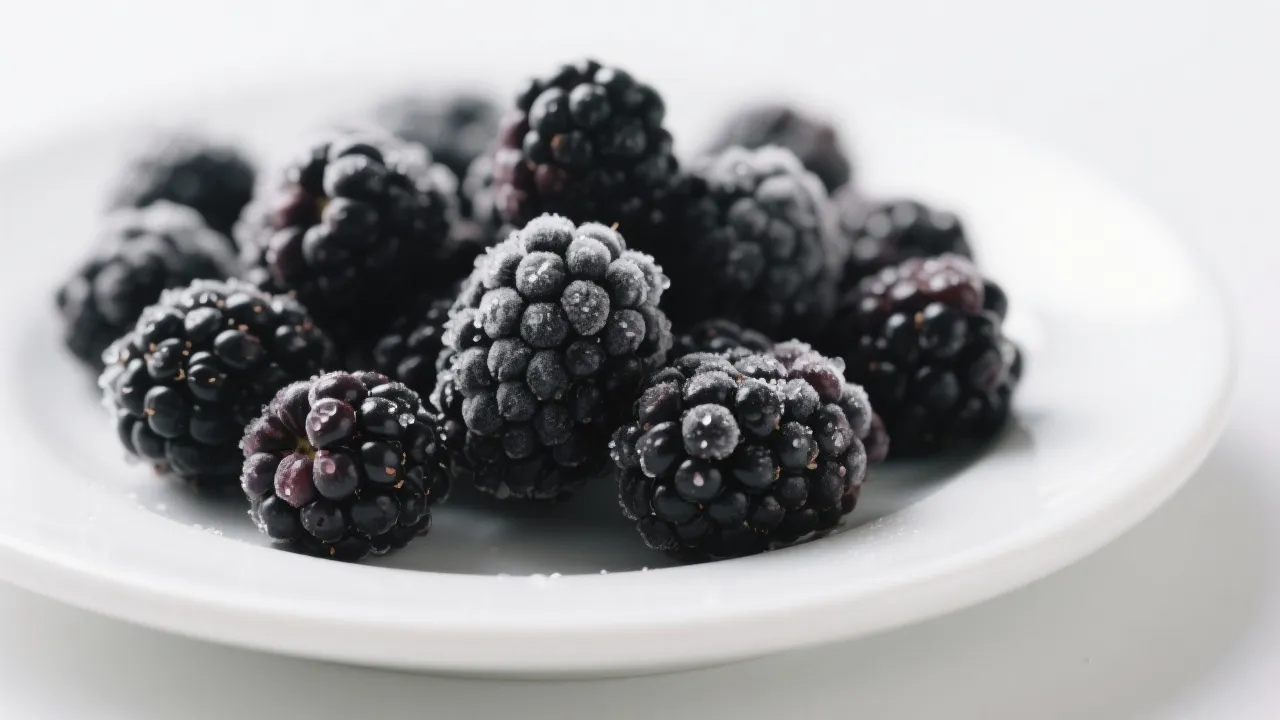
The frozen fruit industry is rapidly evolving, and high-end frozen blackberry brands are increasingly investing in custom packaging to stand out in a crowded marketplace. Beyond mere aesthetics, tailored packaging solutions address complex market demands—enhancing brand recognition, improving product functionality, catering to nuanced consumer preferences, and aligning with sustainability imperatives. This article deciphers the multifaceted marketing rationale behind such strategic packaging choices and how they are altering competitive dynamics in global markets like Europe, North America, and Asia.
Custom packaging serves as a powerful visual cue that reinforces brand identity. Utilizing cohesive color palettes inspired by psychological research—notably emphasizing natural shades like deep berry red (#d2691e) blended with fresh greens (#228b22)—stimulates consumers’ subconscious associations with freshness, health, and quality. Leading brands often incorporate consistent typography and iconography across packaging to boost recognition, leading to higher consumer recall and repeat purchases.
Studies show that consistent brand presentation across all touchpoints can increase revenue by up to 23%. For frozen blackberries, where sensory interaction is limited before purchase, packaging becomes the primary brand ambassador on shelves and online.
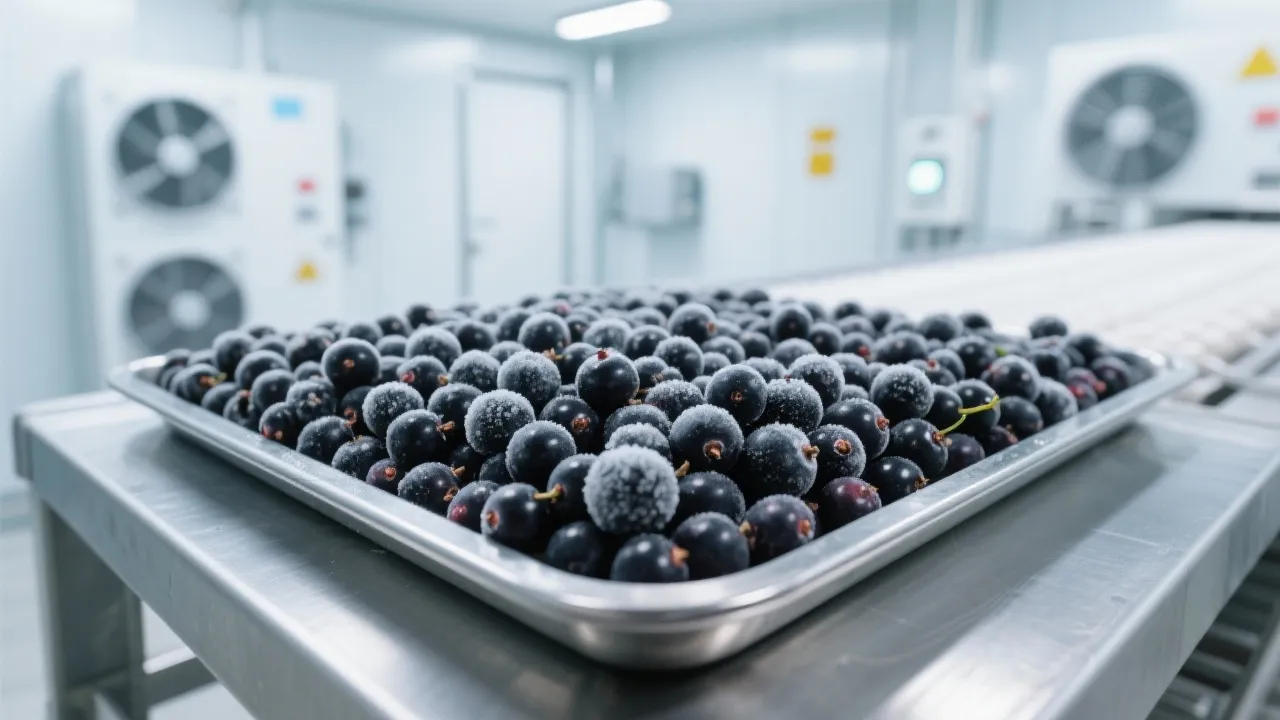
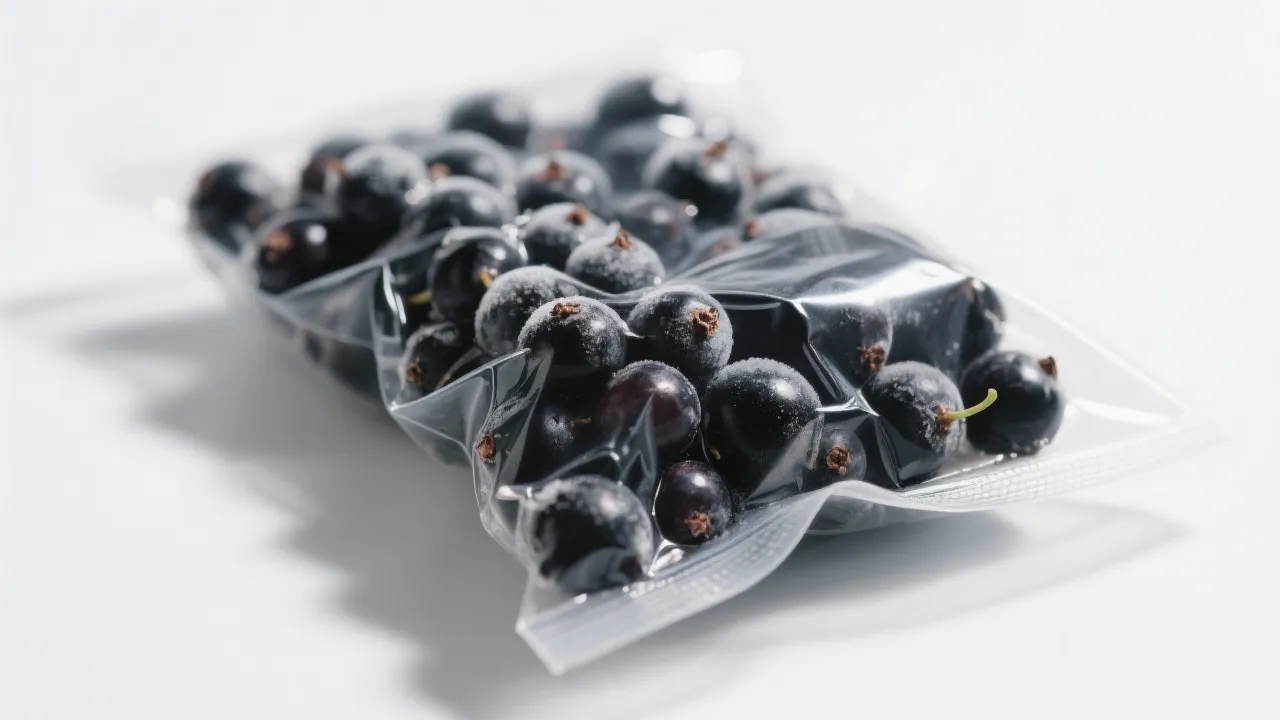
Packaging transcends visual appeal; it must preserve product quality throughout the supply chain and usage lifecycle. Tailored designs frequently incorporate advanced sealing technologies to prevent freezer burn, moisture ingress, and nutrient degradation. Features such as resealable zippers and portioned compartments offer added convenience, aligning with modern consumers’ on-the-go lifestyles and reducing food waste.
Additionally, ergonomic packaging shapes and lightweight materials improve handling for both consumers and retailers, reducing logistics costs and shelf-space inefficiencies.
Market differentiation is critical, particularly when addressing the divergent expectations of regions like Europe, North America, and Asia.
This segmentation allows brands to deploy targeted messaging and packaging features that enhance perceived value and foster loyalty.
Embracing environmentally responsible packaging aligns brands with global ESG (Environmental, Social, Governance) trends. Companies are integrating biodegradable films, plant-based inks, and minimal plastic usage without compromising product protection. This not only reduces environmental footprint but also enhances corporate reputation and meets retailer sustainability criteria.
According to recent industry reports, 68% of frozen fruit buyers state that eco-friendly packaging strongly influences their brand choice—a testament to sustainability's market leverage.
Market leaders adopting bespoke packaging solutions have documented notable uplifts in key performance indicators:
From the consumer's viewpoint, packaging signals quality, reliability, and convenience—critical factors influencing purchase decisions in the health-conscious frozen fruit segment. Custom packaging alleviates ambiguity, showcases transparency (via nutrition labels, certifications), and enhances emotional connection through storytelling elements embedded in design.
Suppliers empowered with data-driven insights and strategic packaging innovation can fine-tune offers and expand market penetration effectively.

 179
|
179
|
 frozen blackcurrants
flash freezing technology
manual sorting process
cold chain logistics
intact berry rate
415
|
frozen black currant quality control
three-stage manual sorting
liquid nitrogen freezing technology
cold chain logistics for fruit
export consistency in berry processing
284
|
Frozen blackberry packaging solutions
Healthy ingredient packaging innovation
Customized fruit and vegetable freezing services
Asian foodservice frozen fruit packaging
Customized food packaging design
362
|
Whole freeze-dried raspberry powder
Manual triple screening
Cold chain fresh-locking technology
Functional food raw materials
High-end dietary supplements
250
|
Flash frozen blackberries
Nutrient retention in frozen blackberries
Preservation of blackberry vitamins
Food freezing technology
Organic frozen fruits
frozen blackcurrants
flash freezing technology
manual sorting process
cold chain logistics
intact berry rate
415
|
frozen black currant quality control
three-stage manual sorting
liquid nitrogen freezing technology
cold chain logistics for fruit
export consistency in berry processing
284
|
Frozen blackberry packaging solutions
Healthy ingredient packaging innovation
Customized fruit and vegetable freezing services
Asian foodservice frozen fruit packaging
Customized food packaging design
362
|
Whole freeze-dried raspberry powder
Manual triple screening
Cold chain fresh-locking technology
Functional food raw materials
High-end dietary supplements
250
|
Flash frozen blackberries
Nutrient retention in frozen blackberries
Preservation of blackberry vitamins
Food freezing technology
Organic frozen fruits

.jpg?x-oss-process=image/resize,h_800,m_lfit/format,webp)


.png?x-oss-process=image/resize,h_100,m_lfit/format,webp)
.png?x-oss-process=image/resize,h_100,m_lfit/format,webp)
.png?x-oss-process=image/resize,h_100,m_lfit/format,webp)
 English


