
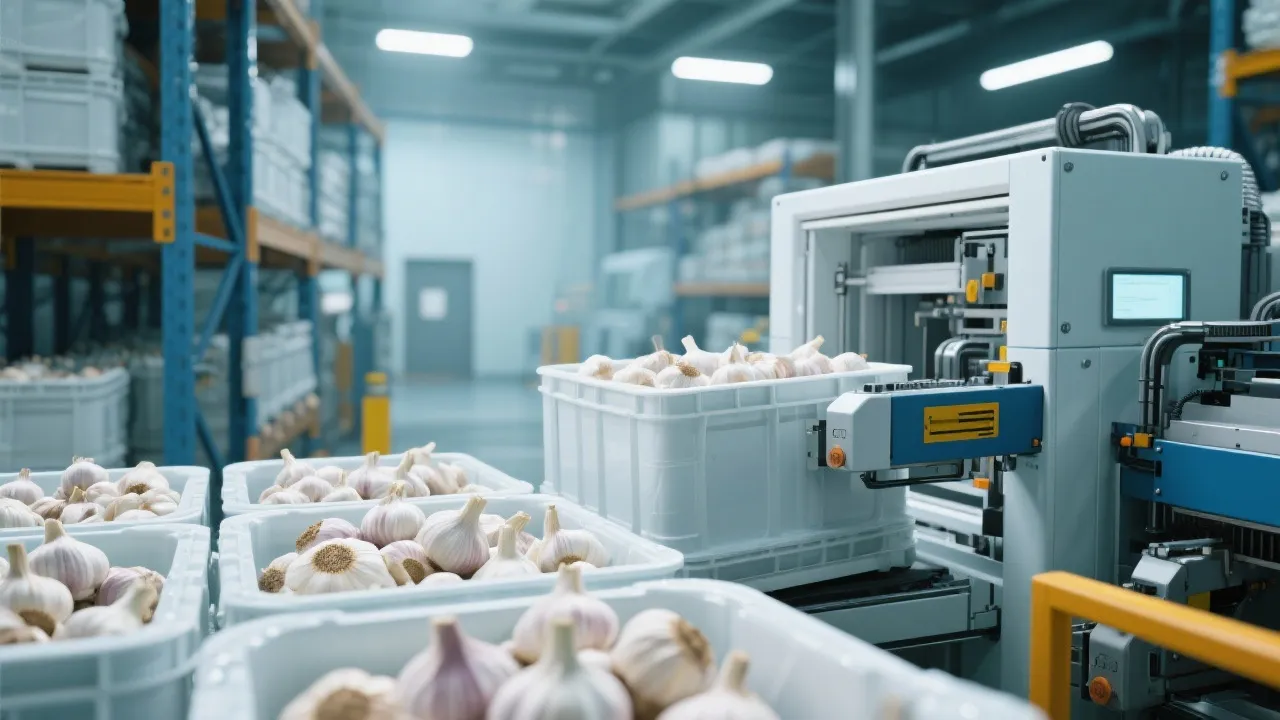
As global demand for healthy, ready-to-use ingredients rises, premium frozen blackberries are no longer just about quality—they’re about how they’re presented. In fact, 73% of B2B buyers in North America and Europe now prioritize packaging when evaluating suppliers, according to a 2023 report by Food Industry Insights. That’s why leading brands—from organic food distributors to commercial kitchens—are turning to custom packaging not as an afterthought, but as a strategic advantage.
“We saw our retail shelf placement increase by 30% within six months after switching to small-bag custom packaging. It wasn’t just about convenience—it was about how we looked on the shelf.”
— Sarah Kim, Procurement Manager at GreenHarvest Organics (USA)
Think of your packaging as the silent salesperson. A well-designed box or pouch doesn’t just hold product—it tells a story. For example, using warm reds and deep greens in your design can trigger emotional responses tied to freshness and health, especially in Western markets where consumers associate these colors with vitality. When you align your packaging with your brand voice, you create instant recognition—even before the buyer opens the package.
For B2B clients like restaurants and meal prep companies, ease of use is critical. Our sealed vacuum packs reduce ice crystal formation by up to 65%, preserving texture and flavor during long-term storage—a key concern for wholesale buyers. Meanwhile, portion-controlled designs (like 200g mini bags) help reduce waste and improve inventory control across multiple locations. This isn’t just smart logistics—it’s a competitive edge that directly impacts customer satisfaction.
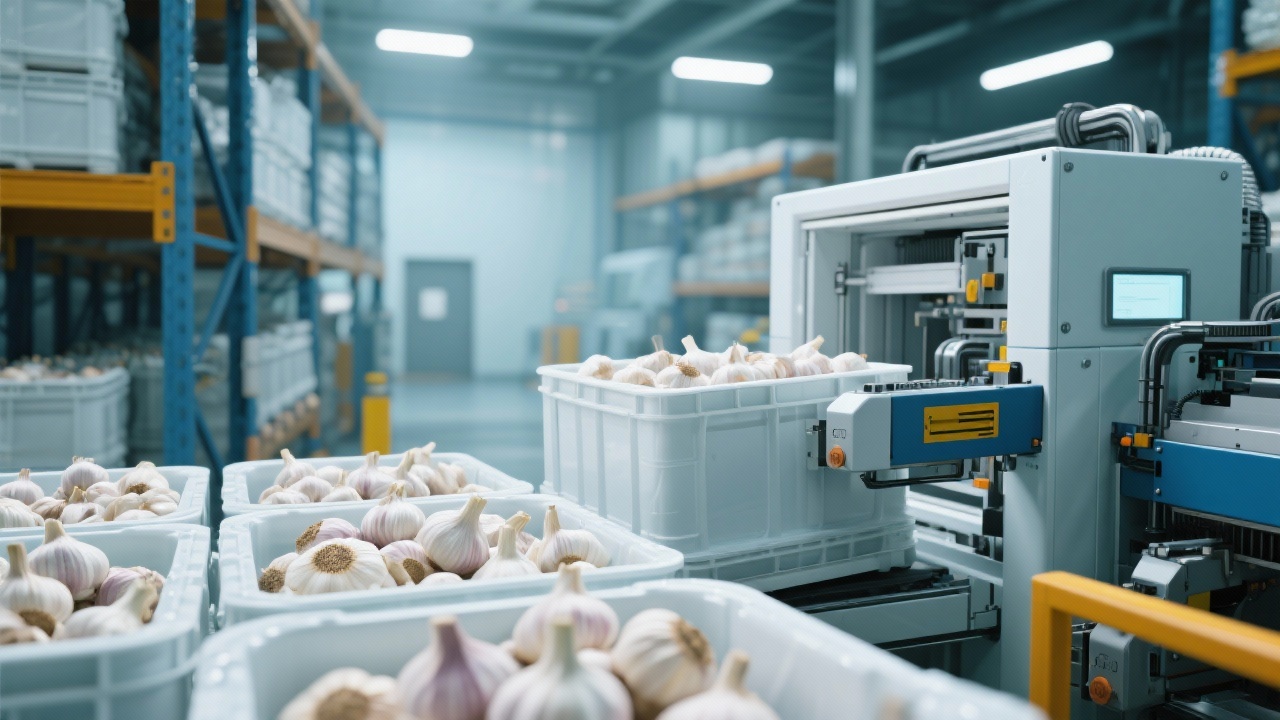
In Europe and North America, sustainability drives purchasing decisions—over 60% of buyers prefer compostable materials even if it costs 10–15% more. In contrast, Asian B2B clients often value trust signals: clear labeling, traceability, and certifications like ISO 22000 or HACCP. By offering region-specific solutions—such as recyclable films for EU buyers and QR-code-enabled packaging for Chinese importers—we help clients speak directly to local expectations.
A recent survey found that companies using eco-friendly packaging saw a 22% increase in repeat orders from green-focused procurement teams. That’s because sustainable packaging isn’t just good ethics—it’s a measurable business benefit. Whether it’s PLA-based film or plant-based inks, every choice builds credibility with environmentally conscious partners who want to align their own ESG goals with their supply chain.
Quick Win Tip: Start with one SKU—like your most popular frozen blackberry size—and test two versions: standard vs. custom-packaged. Track metrics like return rate, reorder frequency, and customer feedback over 90 days. You’ll likely see a noticeable uplift in both engagement and loyalty.
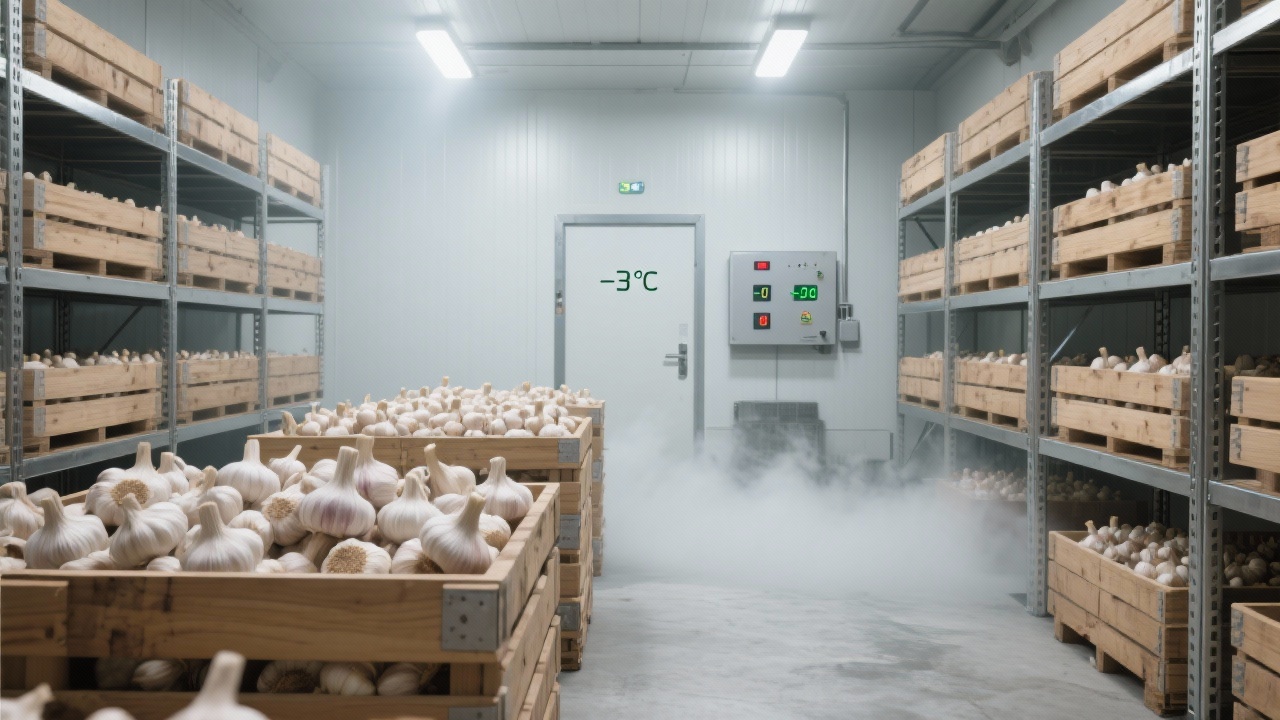
You may be asking yourself: “Is my current packaging holding me back?” If so, you’re not alone. Many of our clients started with basic polybags—then realized that upgrading to purpose-built, branded packaging didn’t just boost margins—it transformed how their products were perceived in the market.
Let us help you design a solution tailored to your target market—whether it’s retail-ready, B2B-efficient, or ESG-aligned.
Get Your Free Packaging Audit Now
 458
|
458
|
 frozen black currants
quick-freezing technology
food processing applications
cold chain logistics
nutrient retention rate
362
|
frozen blackberry quality control
manual sorting for whole fruit
organic frozen berries
B2B frozen fruit procurement
high whole berry retention
193
|
organic frozen blackberries
healthy smoothie recipes
frozen fruit nutrition
clean label beverages
smoothie ingredient innovation
367
|
frozen blackcurrants
triple manual sorting
quick-freezing technology
cold chain logistics
food processing quality control
397
|
Freeze - dried raspberry powder
Cold chain transportation standards
-18°C constant temperature
Supply chain management
Temperature - controlled logistics tracking
frozen black currants
quick-freezing technology
food processing applications
cold chain logistics
nutrient retention rate
362
|
frozen blackberry quality control
manual sorting for whole fruit
organic frozen berries
B2B frozen fruit procurement
high whole berry retention
193
|
organic frozen blackberries
healthy smoothie recipes
frozen fruit nutrition
clean label beverages
smoothie ingredient innovation
367
|
frozen blackcurrants
triple manual sorting
quick-freezing technology
cold chain logistics
food processing quality control
397
|
Freeze - dried raspberry powder
Cold chain transportation standards
-18°C constant temperature
Supply chain management
Temperature - controlled logistics tracking





.png?x-oss-process=image/resize,h_100,m_lfit/format,webp)
.png?x-oss-process=image/resize,h_100,m_lfit/format,webp)
.png?x-oss-process=image/resize,h_100,m_lfit/format,webp)
 English


