In today’s rapidly evolving frozen fruit landscape, especially for premium products like frozen blackberries, packaging is no longer just a protective shell — it is a strategic asset that shapes consumer perception, drives brand loyalty, and aligns with sustainability expectations. More companies are embracing custom packaging solutions that blend environmental stewardship with functional breakthroughs to capture sophisticated markets in North America, Europe, and Asia.
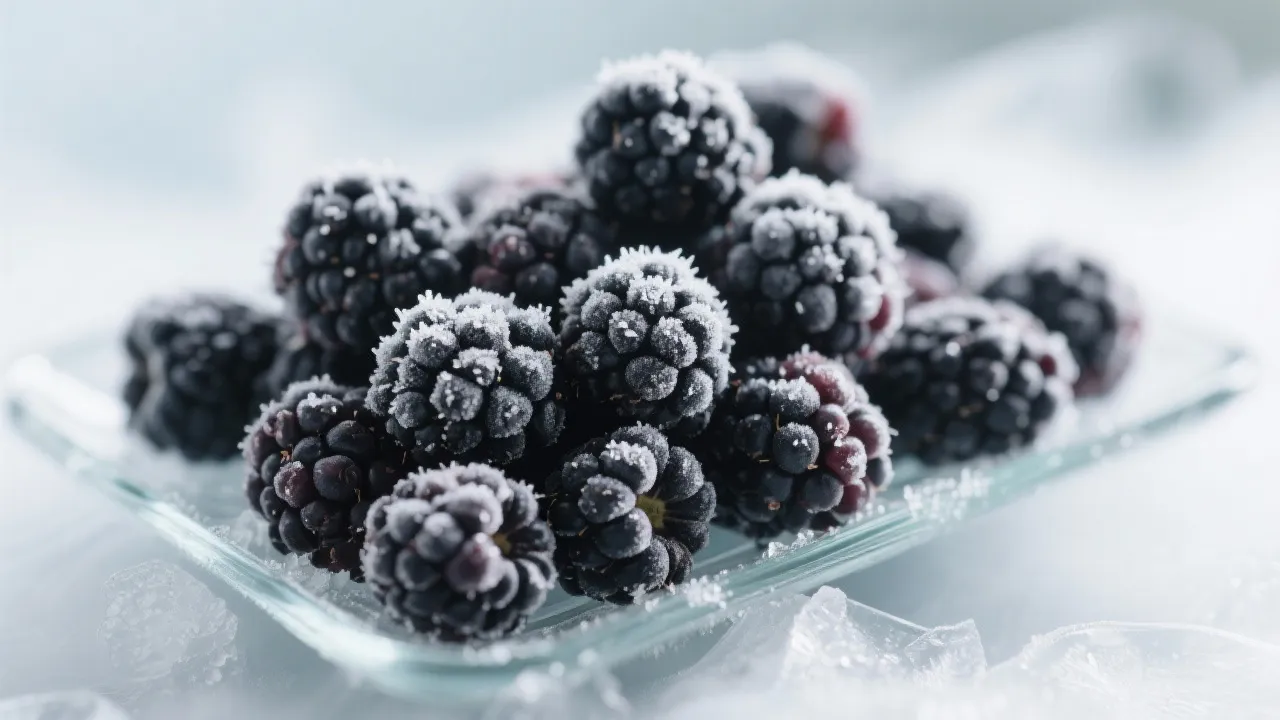
Frozen blackberries face unique challenges: frost damage, flavor degradation, and consumer concerns about freshness and origin. Custom packaging solutions directly address these issues by integrating advanced materials and design features. According to market studies, brands implementing bespoke packaging experienced up to a 25% increase in product repurchase rates within 12 months, reflecting enhanced consumer confidence and satisfaction.
As one supplier remarked, "Our new packaging lets every blackberry become the brand’s ambassador—an unspoken promise of quality and care." This mindset shift — that packaging is not just a container but a trust-building medium — is redefining how frozen produce competes globally.
The push for sustainable solutions meets innovative preservation technology in packaging materials. Polylactic Acid (PLA) biodegradable films have become increasingly popular, offering compostable alternatives that satisfy Environmental, Social, and Governance (ESG) commitments without compromising barrier properties crucial for frozen goods.
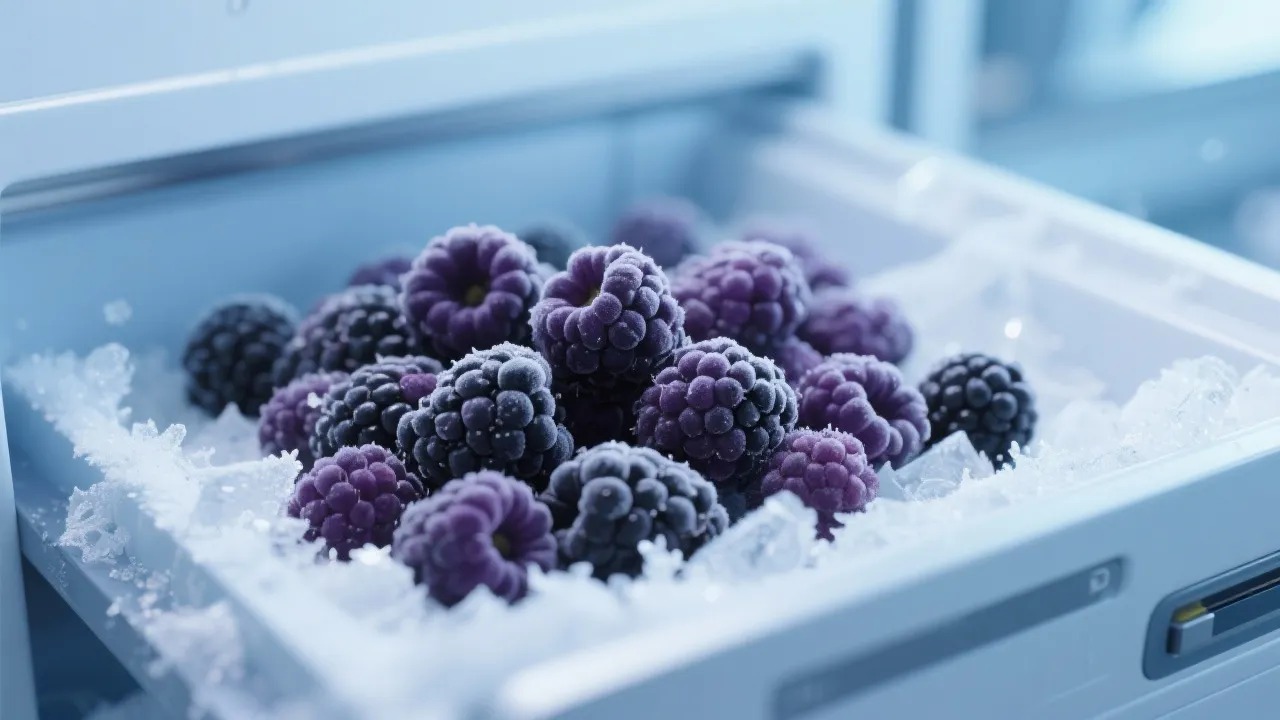
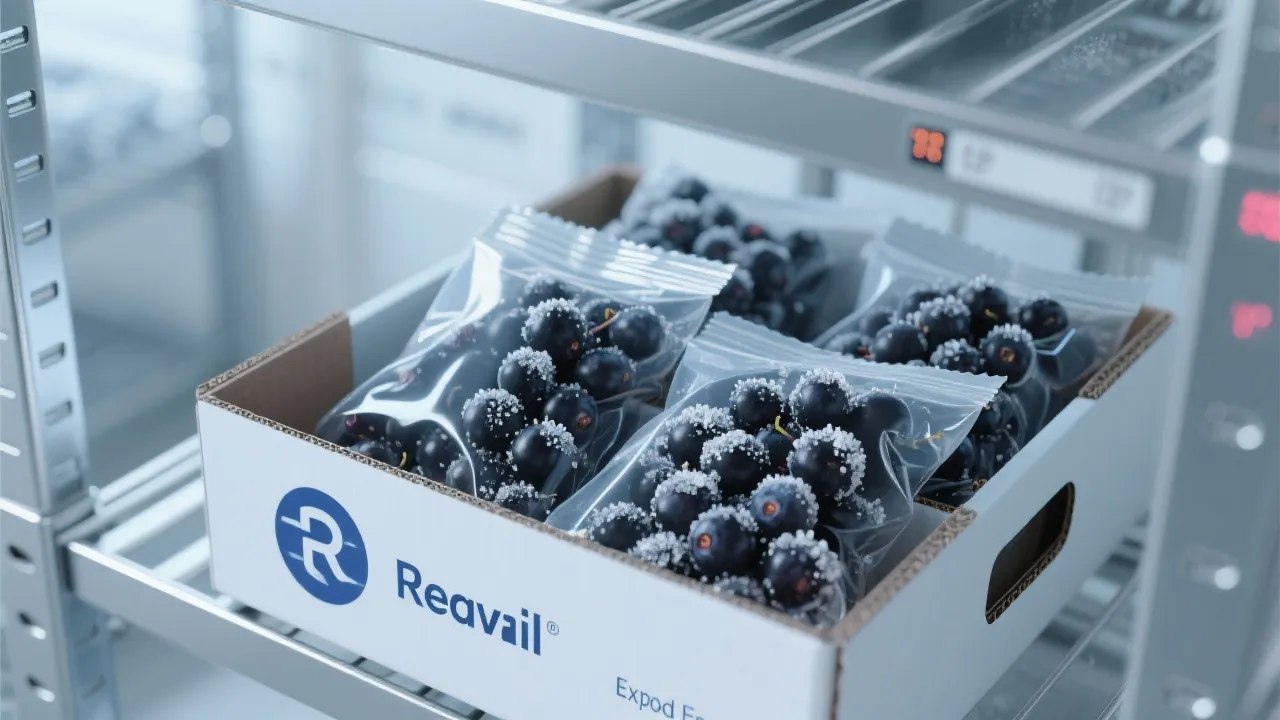
Moreover, functional layers such as anti-frost coatings and individually sealed portions enhance user experience by minimizing freezer burn and allowing precise portion control — essential for B2C retail customers focused on convenience. Industry data indicates anti-frost packaging can reduce product waste by up to 18% annually.
The complexity heightens when factoring geographic and channel differences. In the European and North American B2B restaurant sectors, packaging tends to emphasize bulk-friendly formats with resealable zip locks to support operational efficiency and portion flexibility.
Conversely, Asian B2C consumers, who tend to value natural, fresh, and visually appealing presentations, prefer single-serve, transparent packaging that highlights the fruit’s texture and color, often combined with vivid artwork reflecting natural purity.
Case study: A US-based premium frozen blackberry brand redesigned packaging to incorporate recyclable PLA film with single-serve pouches and saw a 30% increase in repeat orders from boutique retailers within 6 months.
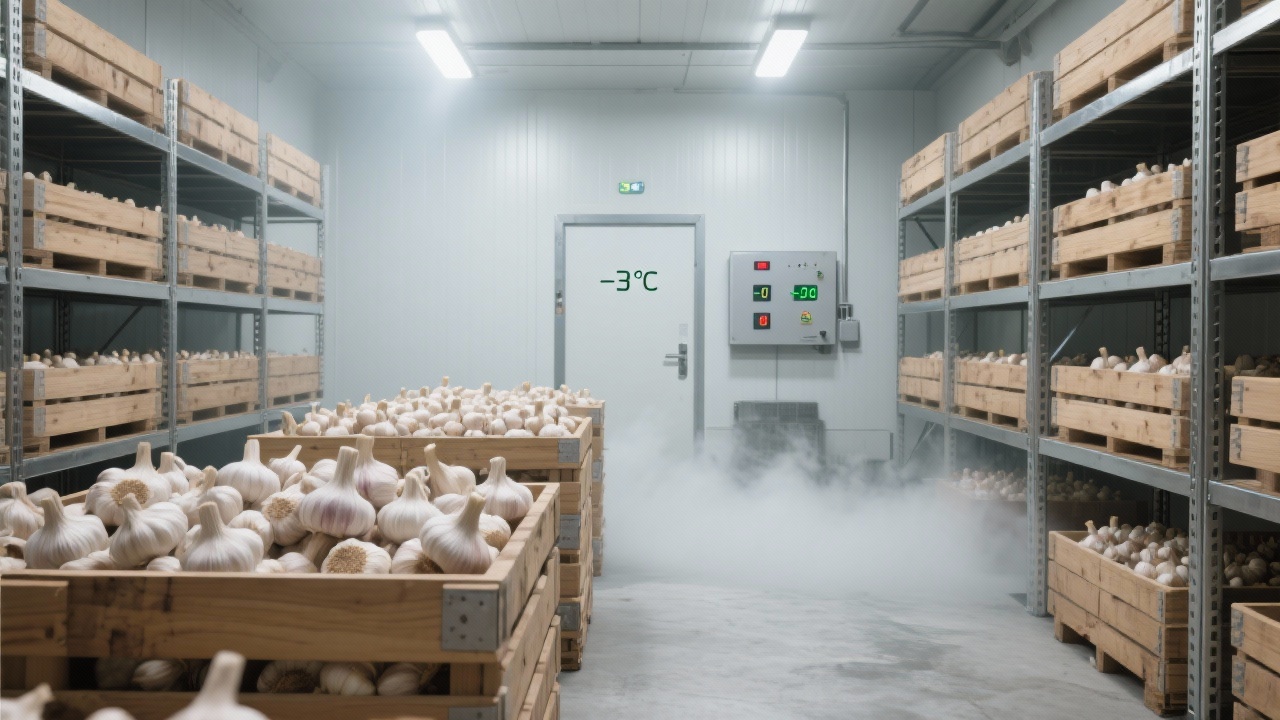
Beyond aesthetics and materials, the custom packaging process often incorporates brand storytelling elements — unique logos, color schemes, and product information — turning each pack into a silent salesperson. Companies deploying such strategies report an average 20% uptick in customer satisfaction scores, correlating directly with an enhanced perception of product quality.
Industry Expert Insight:
“With frozen produce, the right packaging balances protection with emotional resonance. When consumers feel the packaging cares for the fruit as much as they do, it creates an unbreakable trust link,” notes Dr. Helen Roberts, Packaging Technologist at GreenPack Solutions.
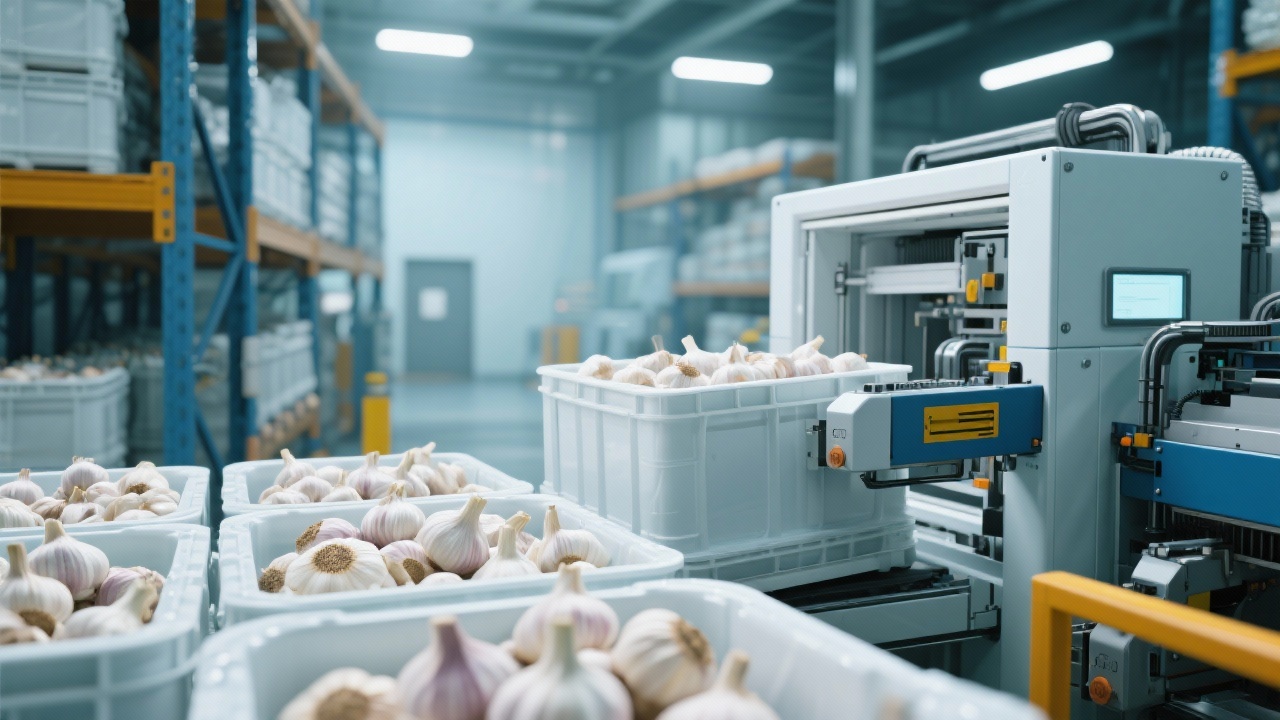
ESG-driven procurement decisions are increasingly dictating market access. Retailers and foodservice buyers scrutinize packaging origins, recyclability, and carbon footprint. Adoption of green packaging materials signals corporate responsibility — strengthening brand image across continents and aiding market entry.
Academic and industry research show that 72% of consumers in developed markets prefer brands with transparent sustainability commitments, and packaging is a key touchpoint for conveying this. Aligning your frozen blackberry packaging with this trend creates a tangible competitive edge that directly influences buyer decisions.

 159
|
159
|
 Freeze-dried raspberry powder
Anthocyanin protection
Bioavailability improvement
Functional food addition
Raspberry powder application
498
|
freeze-dried red raspberry powder
anthocyanin protection
bioavailability enhancement
functional food ingredients
meal replacement powder applications
286
|
frozen black currants export to EU
HACCP certification for food exports
EU food import regulations
cold chain logistics for berries
food safety compliance in agriculture
34
|
freeze dried raspberry powder
anthocyanin preservation
bioavailability enhancement
functional food ingredient
cold chain preservation
194
|
Small-batch trial orders
OEM private label customization
Frozen fruit packaging solutions
Flexible procurement in the food supply chain
Packaging requirements for frozen blackcurrants
Freeze-dried raspberry powder
Anthocyanin protection
Bioavailability improvement
Functional food addition
Raspberry powder application
498
|
freeze-dried red raspberry powder
anthocyanin protection
bioavailability enhancement
functional food ingredients
meal replacement powder applications
286
|
frozen black currants export to EU
HACCP certification for food exports
EU food import regulations
cold chain logistics for berries
food safety compliance in agriculture
34
|
freeze dried raspberry powder
anthocyanin preservation
bioavailability enhancement
functional food ingredient
cold chain preservation
194
|
Small-batch trial orders
OEM private label customization
Frozen fruit packaging solutions
Flexible procurement in the food supply chain
Packaging requirements for frozen blackcurrants


.png?x-oss-process=image/resize,h_100,m_lfit/format,webp)
.png?x-oss-process=image/resize,h_100,m_lfit/format,webp)
.png?x-oss-process=image/resize,h_100,m_lfit/format,webp)
 English