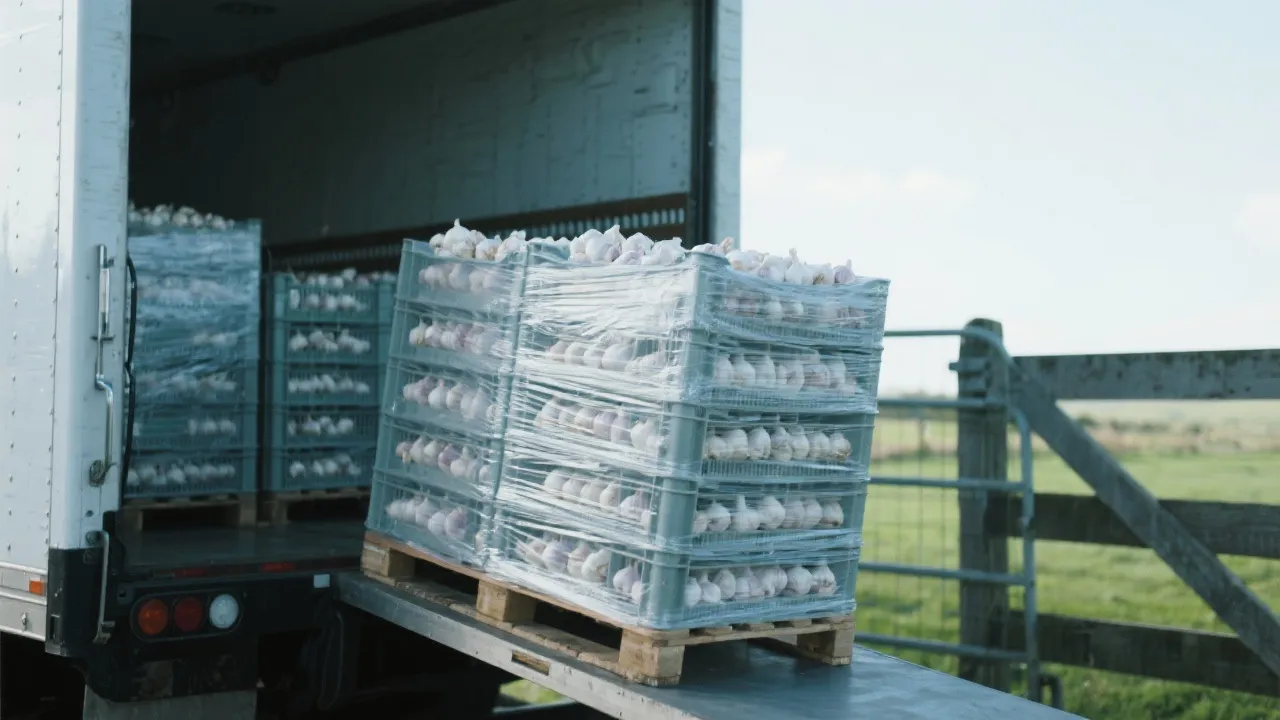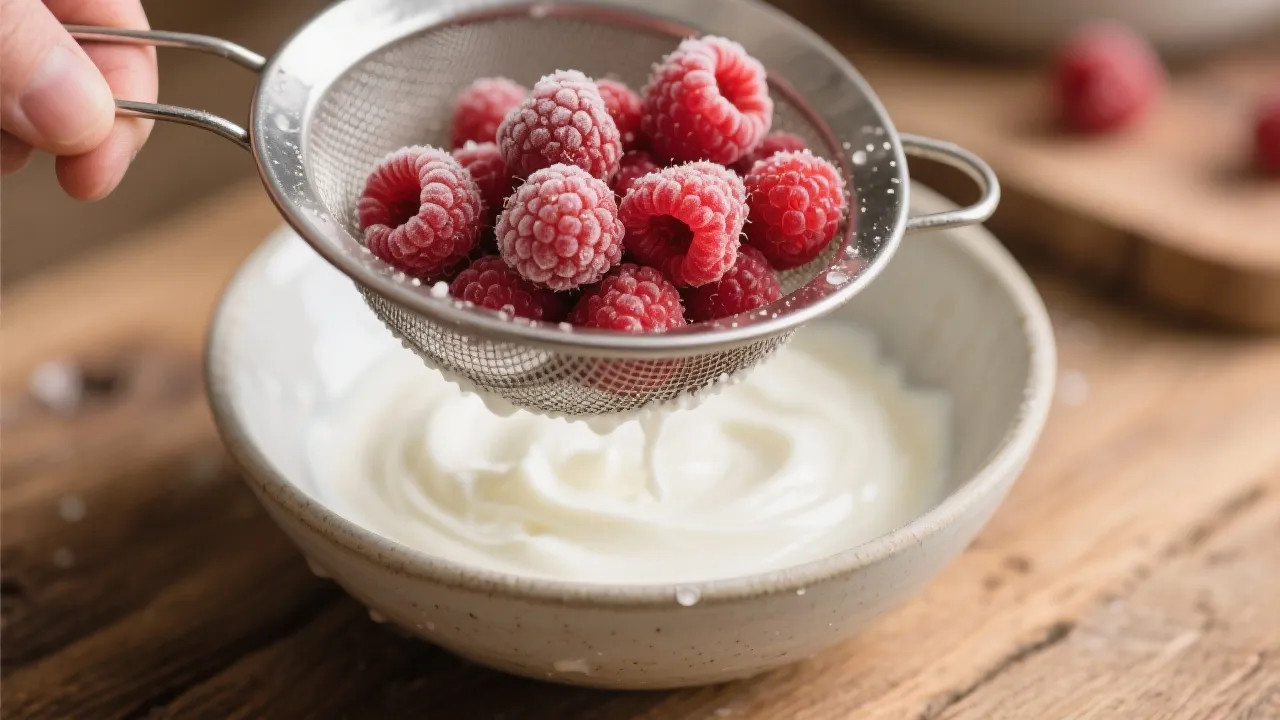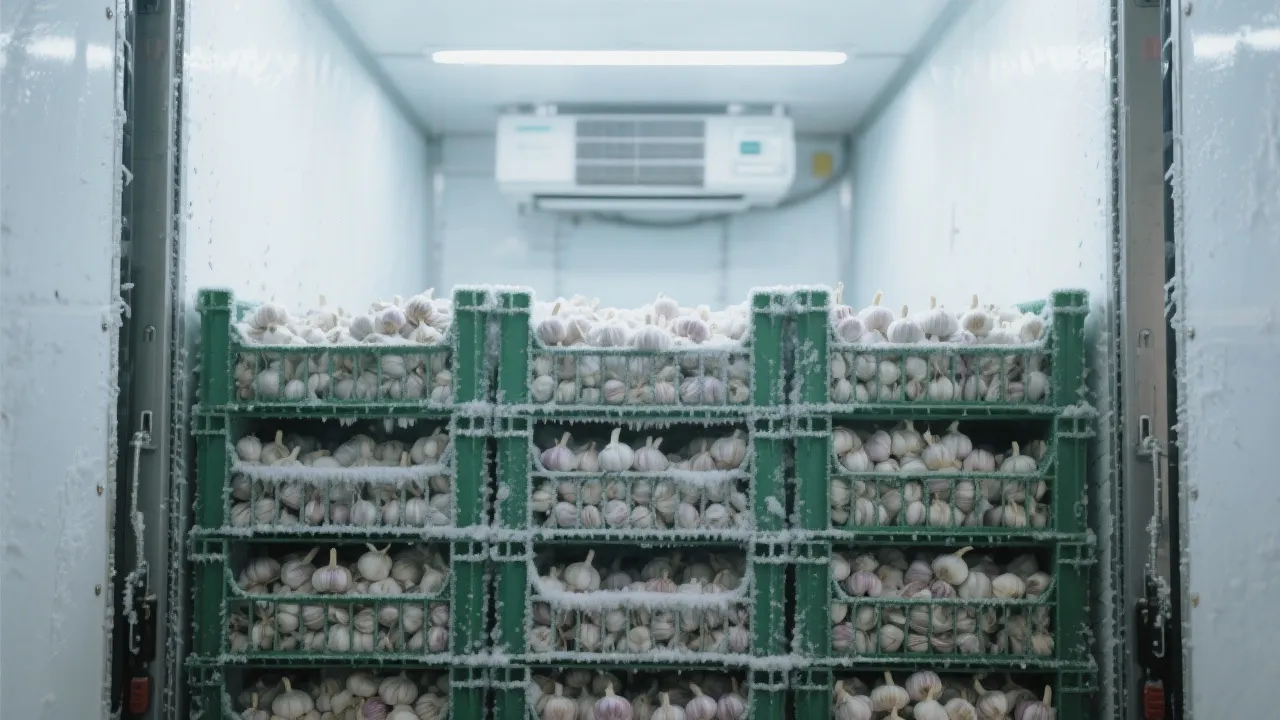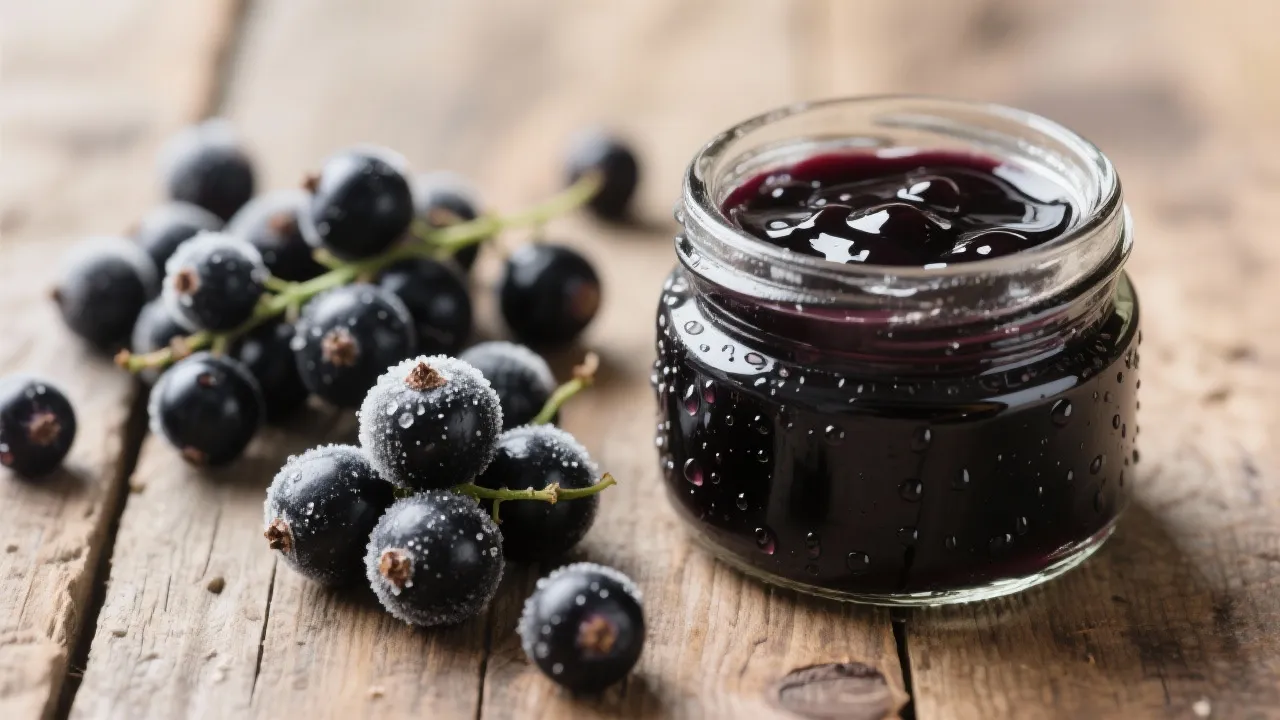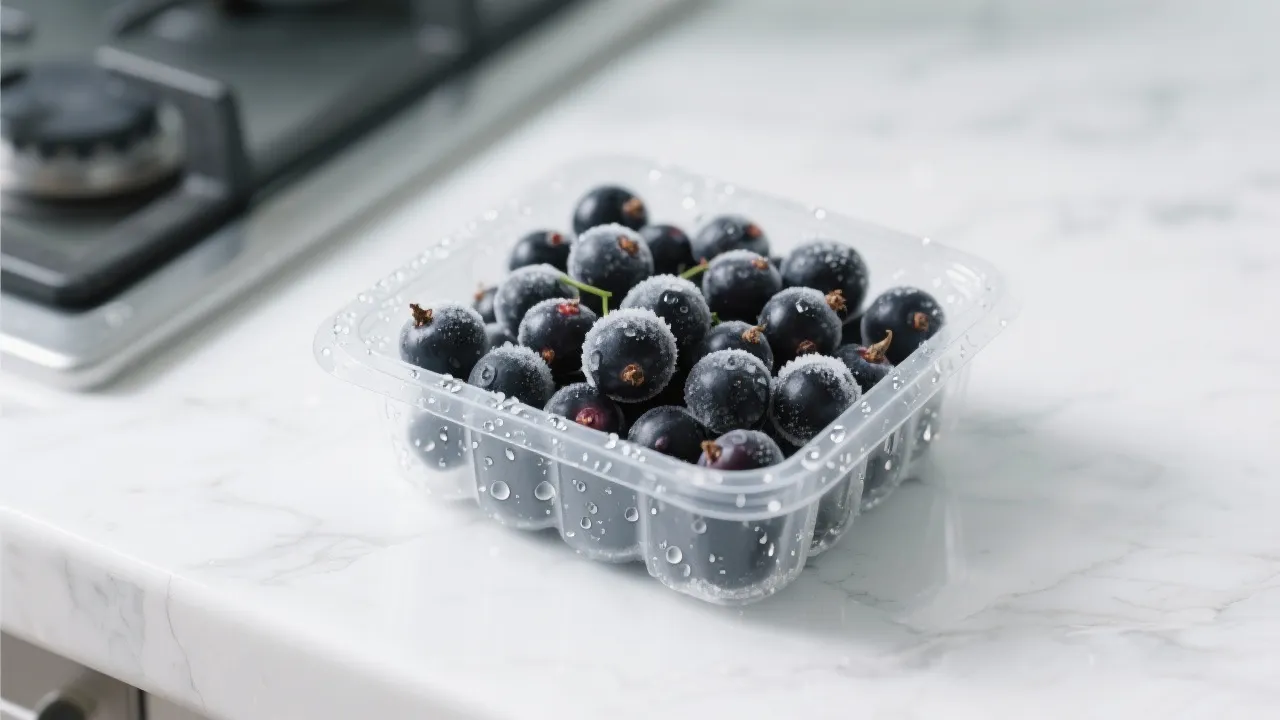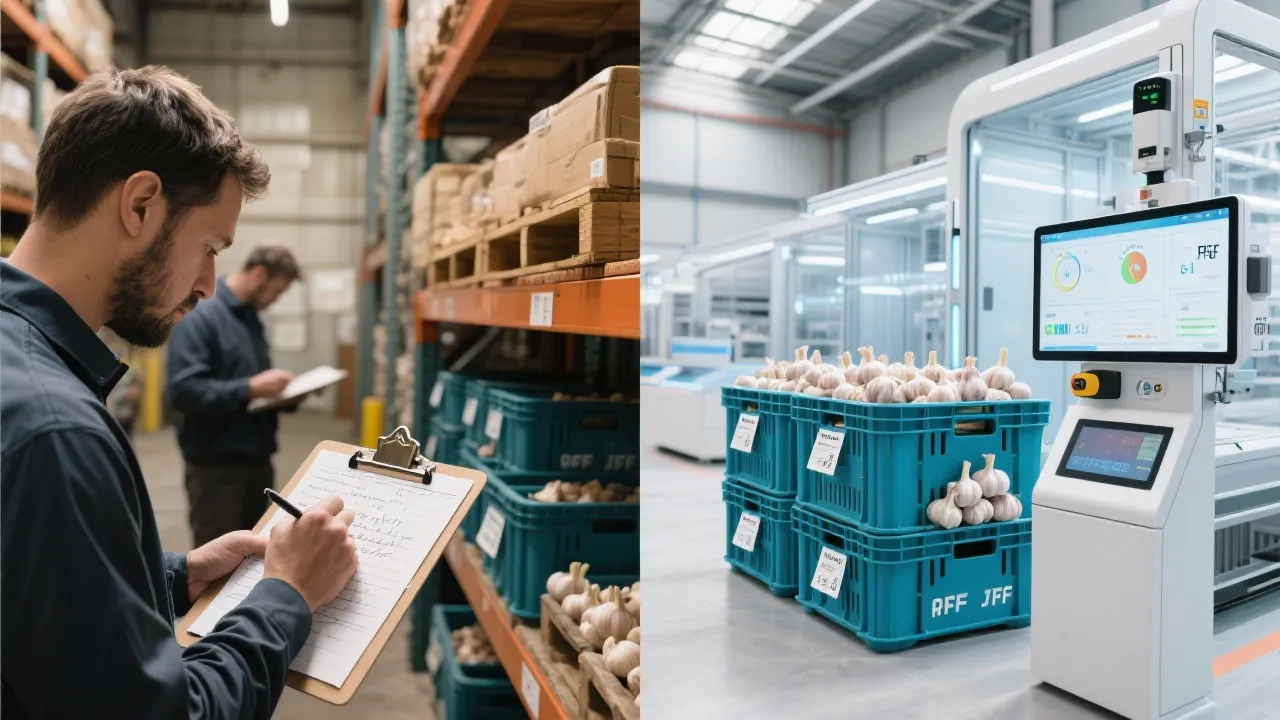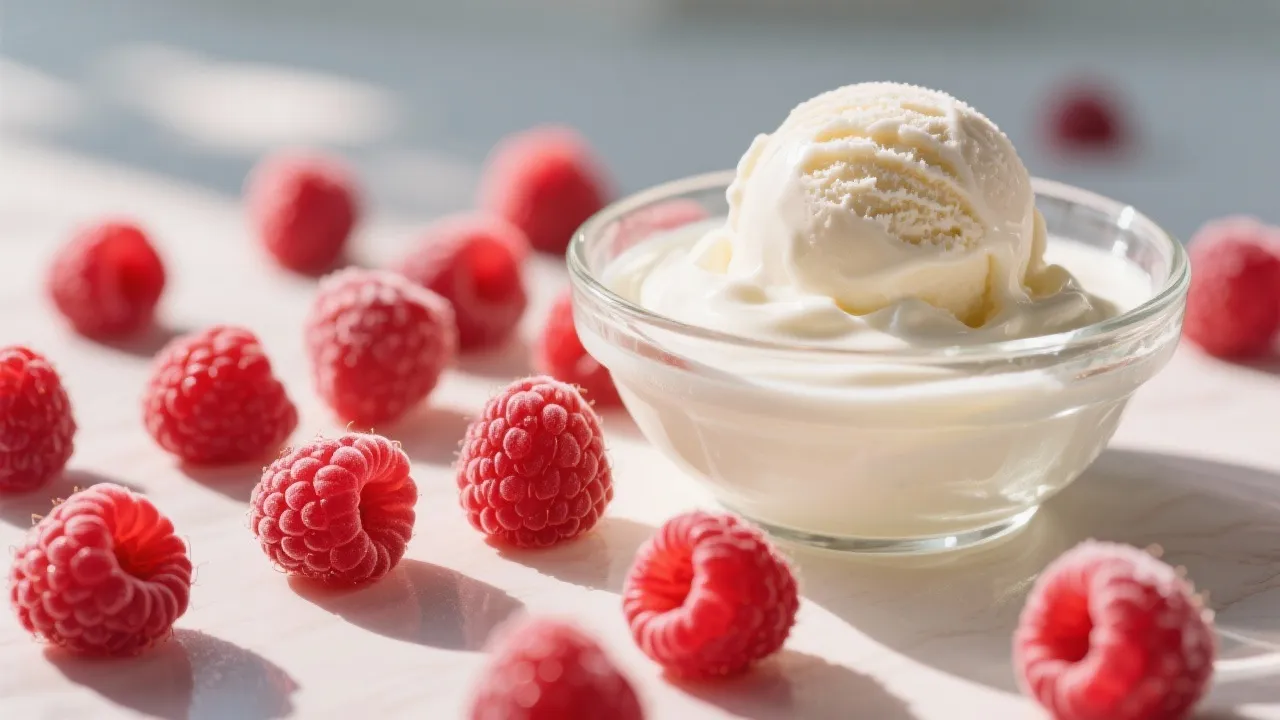
Freezing remains a cornerstone method for preserving blackberries and other delicate fruits. However, the quality of frozen blackberries dramatically varies depending on the freezing technology applied. Conventional freezing techniques often result in quality decline manifested as darkened coloration, loss of natural flavor, and compromised texture. At the heart of these issues lies cellular damage induced during freezing. This article explores the fundamental differences between rapid (cryogenic) freezing and traditional freezing, focusing on cellular integrity, nutrient retention, and overall fruit freshness.
When blackberries are frozen slowly (typically at temperatures just below 0°C), extracellular ice crystals grow larger as water migrates out of the cells. These large crystals physically rupture cell membranes, causing irreversible damage to the fruit’s microstructure. This phenomenon not only affects the fruit’s appearance but also accelerates enzymatic browning and nutrient degradation.
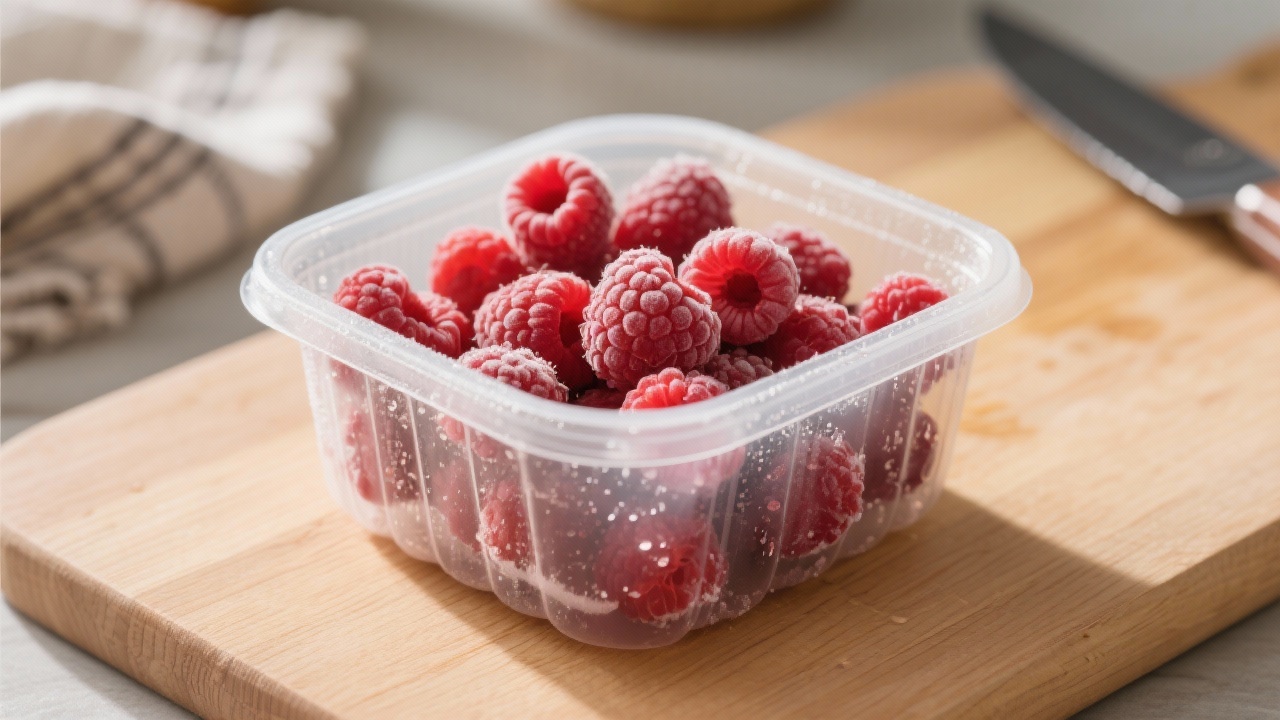
Conversely, rapid freezing employs ultra-low temperatures (often below -40°C) and rapid cooling rates (greater than 10°C per minute), which drastically reduce the time water molecules have to form damaging ice crystals. Instead, multiple tiny ice crystals form inside and outside the cells, preserving membrane integrity and minimizing mechanical disruption.
Maintaining the nutritional profile of blackberries during freezing is a key quality metric, especially for antioxidants such as vitamin C and anthocyanins (the pigments responsible for the fruit's deep purple color). Scientific studies have demonstrated that rapid freezing can retain up to 90%+ of vitamin C and anthocyanin content, compared to approximately 60-70% retention with conventional freezing.
The stability of these bioactive compounds is closely linked with temperature control and cellular preservation. Rapid freezing limits enzymatic activity and oxidative reactions, both of which are accelerated by cell membrane rupture in slower freezing. Hence, blackberries frozen rapidly not only look fresher but also deliver superior health benefits.
Top-tier frozen blackberry producers implement stringent food safety management systems including HACCP (Hazard Analysis and Critical Control Points) and ISO 22000 certification. These globally recognized frameworks ensure continuous monitoring of contamination risks, temperature controls, and traceability throughout the supply chain.
By harmonizing advanced freezing technologies with robust safety protocols, the industry achieves not only superior frozen fruit quality but also consumer confidence in food safety.
Rapidly frozen blackberries excel in diverse culinary uses, maintaining their vibrant color and fresh aroma in smoothies, desserts, and baking. For food manufacturers and retailers, investing in rapid freezing equipment generates added value by extending shelf life, reducing post-thaw drip loss, and preserving consumer-desired attributes.
For example, bakeries incorporating rapid-frozen blackberry fillings experience fewer batch inconsistencies and higher customer satisfaction due to consistent fruit quality. Similarly, fresh-market suppliers benefit from reduced waste and better product turnover.
Considering your freezing infrastructure? Assessing compatibility with rapid freezing protocols can unlock superior quality advantages. Upgrading or optimizing freezing rates is a strategic move towards enhanced product competitiveness.

 300
|
300
|
 rapid frozen blackberries
frozen berry nutrient retention
export-grade berries
quick freezing technology
frozen fruit quality control
179
|
frozen blackcurrants
flash freezing technology
manual sorting process
cold chain logistics
intact berry rate
216
|
organic frozen blackberries
healthy smoothie recipes
frozen fruit applications
nutritious drink formulation
natural ingredient pairing
40
|
whole-fruit freeze-dried raspberry powder
functional food raw materials
cold chain preservation technology
nutrient density in berries
high-quality raspberry powder for supplements
43
|
freeze-dried raspberry powder
anthocyanin preservation
bioavailability enhancement
functional food ingredients
meal replacement powder formulation
rapid frozen blackberries
frozen berry nutrient retention
export-grade berries
quick freezing technology
frozen fruit quality control
179
|
frozen blackcurrants
flash freezing technology
manual sorting process
cold chain logistics
intact berry rate
216
|
organic frozen blackberries
healthy smoothie recipes
frozen fruit applications
nutritious drink formulation
natural ingredient pairing
40
|
whole-fruit freeze-dried raspberry powder
functional food raw materials
cold chain preservation technology
nutrient density in berries
high-quality raspberry powder for supplements
43
|
freeze-dried raspberry powder
anthocyanin preservation
bioavailability enhancement
functional food ingredients
meal replacement powder formulation


.png?x-oss-process=image/resize,h_100,m_lfit/format,webp)
.png?x-oss-process=image/resize,h_100,m_lfit/format,webp)
.png?x-oss-process=image/resize,h_100,m_lfit/format,webp)
 English