
In the realm of high - end nutritional supplements, the choice of raw materials is a critical decision that can significantly impact product quality. This article delves into the core differences between whole - fruit freeze - dried red raspberry powder and traditional crushed and ground powders, shedding light on the key technologies that ensure the quality of high - end nutritional products.
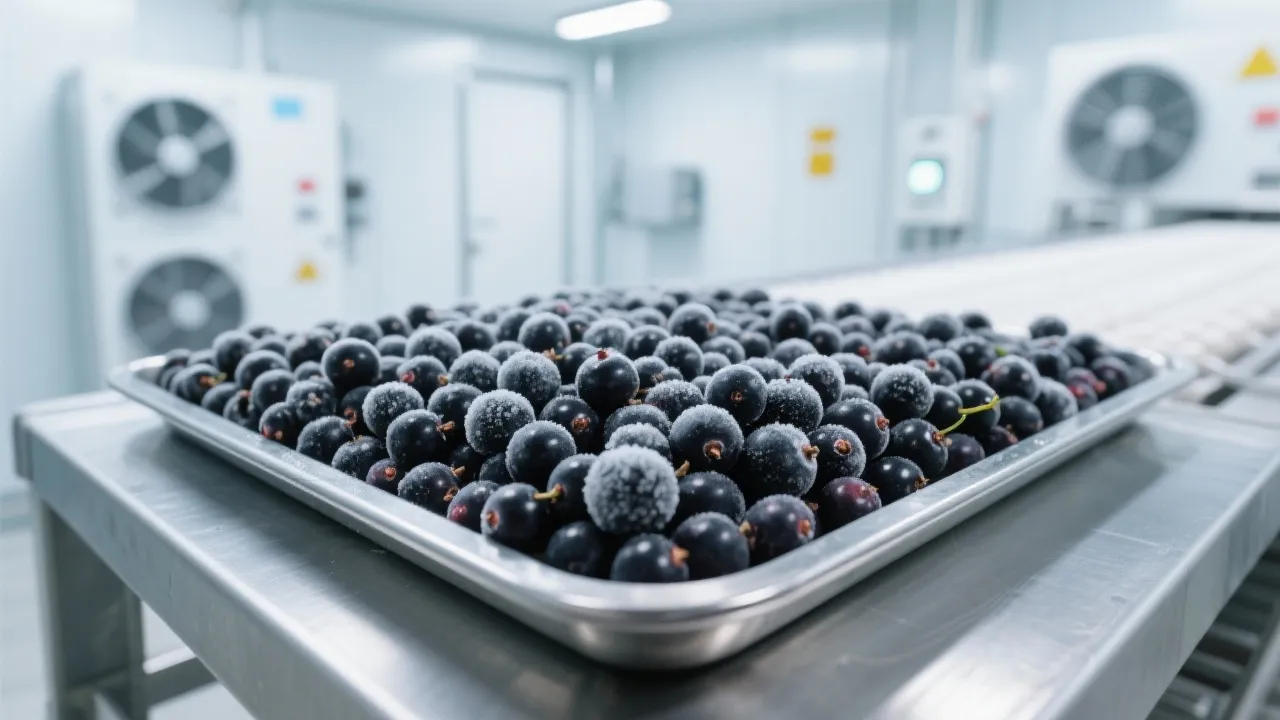
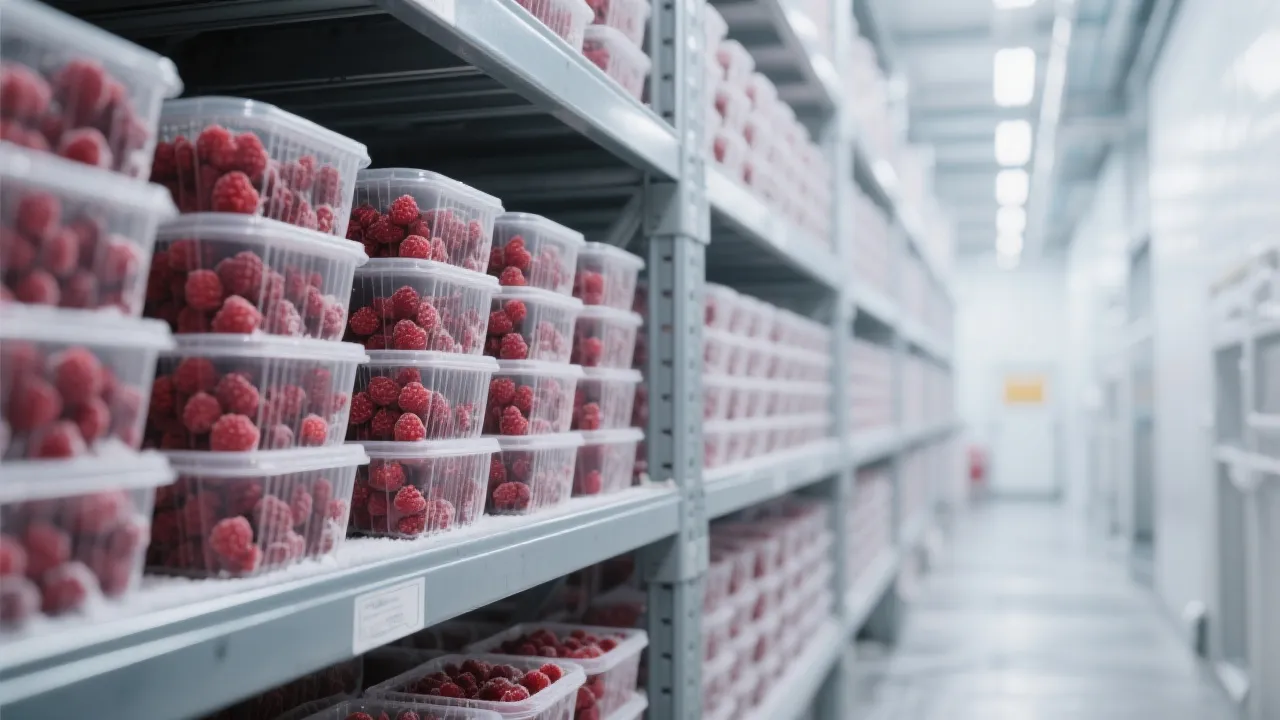
The production of whole - fruit freeze - dried red raspberry powder starts with strict control of raw material sources. Through a meticulous process of manual triple screening, only the finest red raspberries are selected. This process ensures that the whole - fruit rate exceeds 95%. Moreover, the - 18°C cold - chain freshness - locking technology is employed to preserve the natural state of the red raspberries from the moment of harvest to the final product.
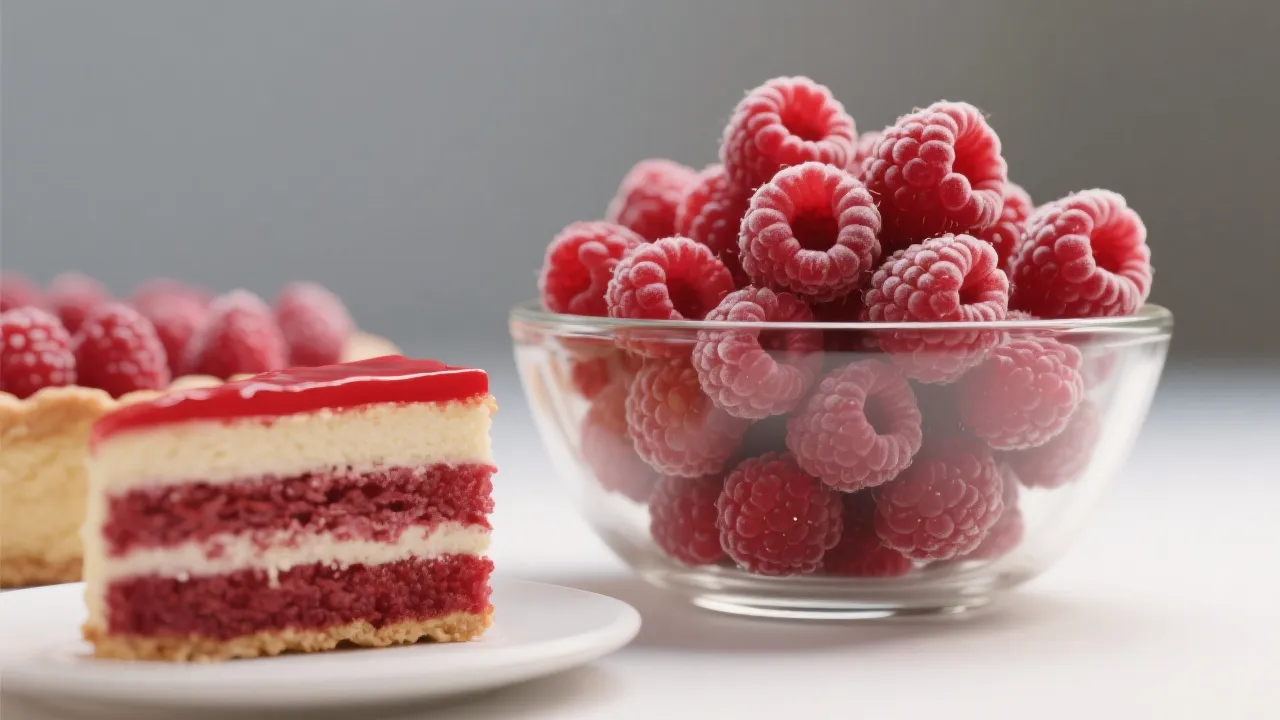
The whole - fruit technology brings double advantages in terms of nutritional components and sensory quality. By maintaining a high whole - fruit rate, the nutritional density of the final product is enhanced. The natural anthocyanins and vitamin C in red raspberries are kept active, which not only provides more health benefits but also contributes to the stability of color and flavor. For example, compared with traditional powders, whole - fruit freeze - dried red raspberry powder retains more of the original taste and aroma of red raspberries, making it more appealing to consumers.
The functional food industry, especially in the fields of dietary supplements and probiotic composite powders, has strict requirements for high - end raw materials. Whole - fruit freeze - dried red raspberry powder meets these requirements and has significant market potential. According to market research, the demand for high - quality raw materials in the dietary supplement and probiotic composite powder markets is growing at an annual rate of about 10%. The unique whole - fruit technology of this powder gives it a competitive edge in the market.
Authoritative third - party testing reports, such as those from SGS and CQC, provide reliable data for purchase decision - making. These reports detail various quality indicators, including nutritional content, purity, and microbial limits. For example, the SGS report shows that the whole - fruit freeze - dried red raspberry powder has a higher content of anthocyanins and vitamin C compared to traditional powders. By referring to these reports, buyers can more efficiently identify high - quality suppliers and improve the competitiveness of their products.
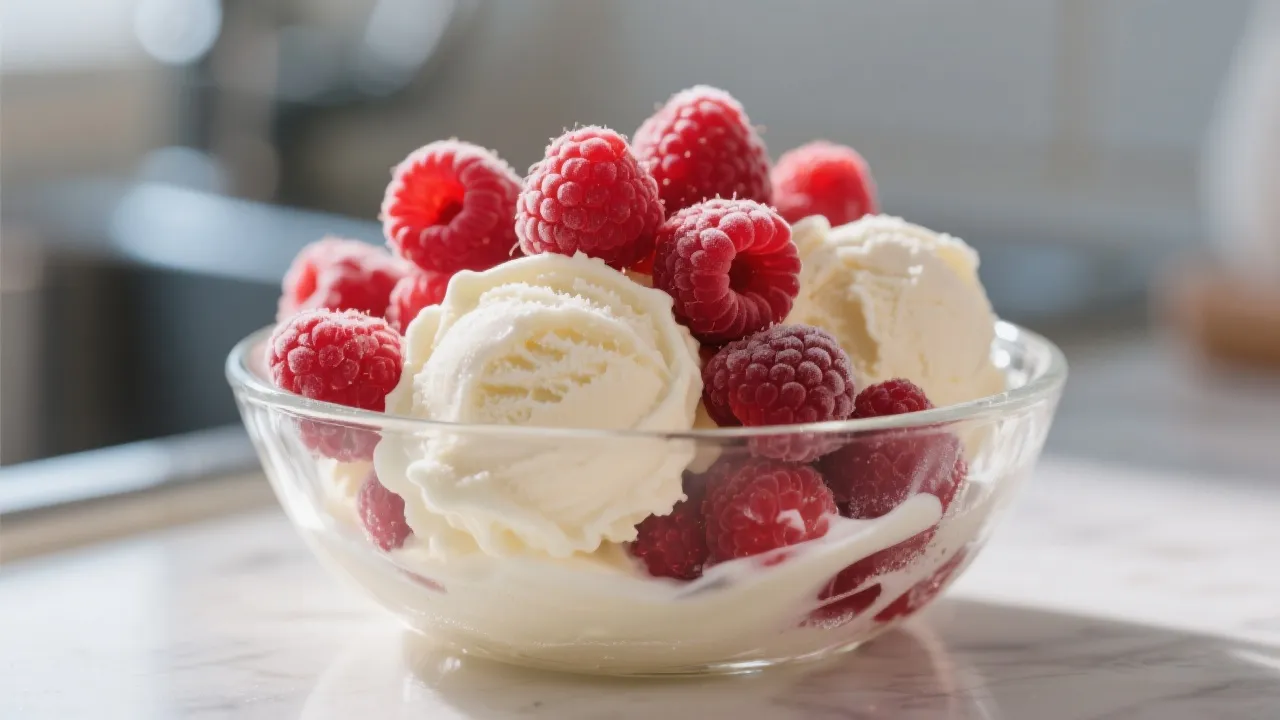
In practical applications, whole - fruit freeze - dried red raspberry powder has been widely used in dietary supplements and probiotic composite powders. For instance, a well - known dietary supplement brand has improved the quality and sales of its products after switching to this powder. When purchasing, buyers should pay attention to the raw material source, production process, and quality certification of the powder. It is recommended to choose suppliers with a good reputation and complete quality control systems.
In conclusion, whole - fruit freeze - dried red raspberry powder offers significant advantages over traditional powder raw materials in terms of quality and technology. For industry procurement decision - makers and product developers, choosing this powder can help them produce high - quality products and gain a competitive edge in the market. If you are interested in learning more about high - quality whole - fruit freeze - dried red raspberry powder, click here to get in - depth support.

 460
|
460
|
 Frozen blackcurrants
Three - round manual screening
Quick - freezing technology
Whole fruit rate improvement
Cold - chain transportation
179
|
frozen blackcurrants
flash freezing technology
manual sorting process
cold chain logistics
intact berry rate
195
|
frozen blackberry distribution efficiency
custom packaging for organic frozen berries
high-quality frozen fruit supply chain solutions
HACCP certified frozen fruits
international food ingredient sourcing
286
|
organic frozen blackberry smoothie
healthy smoothie recipe
frozen berry nutrition benefits
premium smoothie ingredients
natural no-added-sugar drink
252
|
whole freeze dried raspberry powder
probiotic blend ingredients
functional food raw materials
anthocyanin rich powder
premium berry powder
Frozen blackcurrants
Three - round manual screening
Quick - freezing technology
Whole fruit rate improvement
Cold - chain transportation
179
|
frozen blackcurrants
flash freezing technology
manual sorting process
cold chain logistics
intact berry rate
195
|
frozen blackberry distribution efficiency
custom packaging for organic frozen berries
high-quality frozen fruit supply chain solutions
HACCP certified frozen fruits
international food ingredient sourcing
286
|
organic frozen blackberry smoothie
healthy smoothie recipe
frozen berry nutrition benefits
premium smoothie ingredients
natural no-added-sugar drink
252
|
whole freeze dried raspberry powder
probiotic blend ingredients
functional food raw materials
anthocyanin rich powder
premium berry powder
.jpg?x-oss-process=image/resize,h_800,m_lfit/format,webp)



.png?x-oss-process=image/resize,h_100,m_lfit/format,webp)
.png?x-oss-process=image/resize,h_100,m_lfit/format,webp)
.png?x-oss-process=image/resize,h_100,m_lfit/format,webp)
 English


