
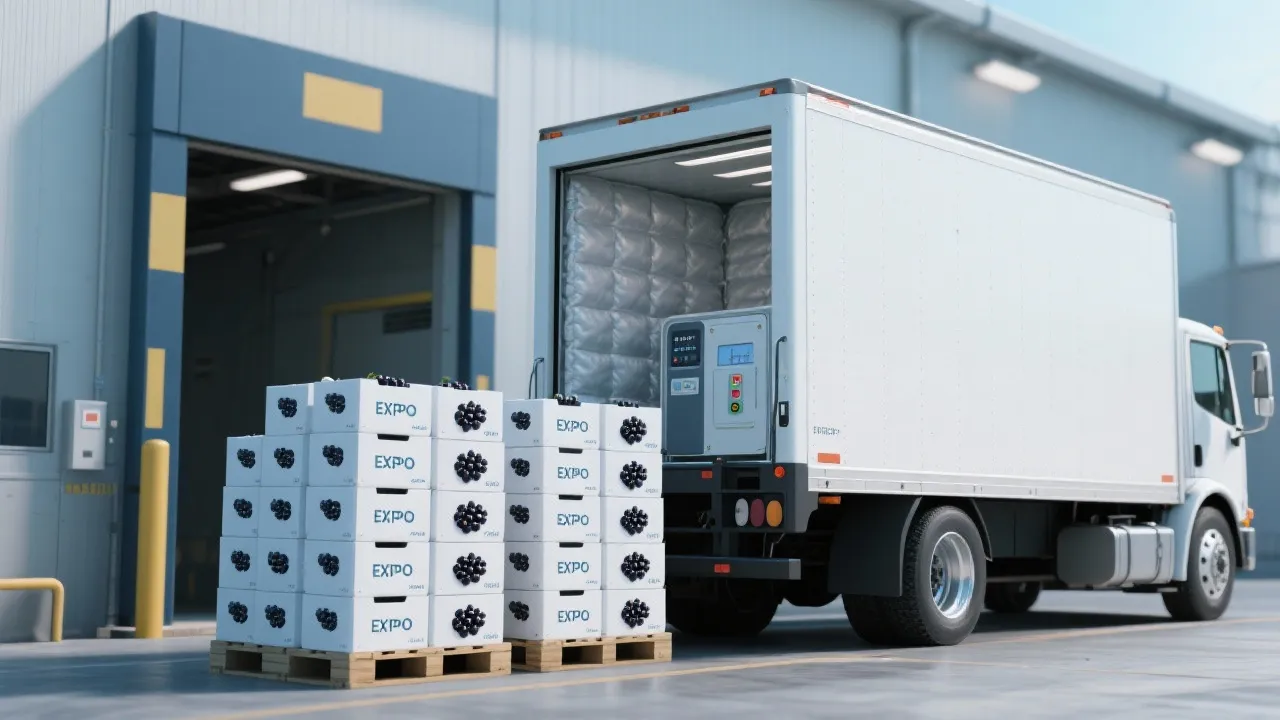
In today's global food industry, maintaining consistent quality of fruit and vegetable raw materials throughout the cold chain has become a critical challenge for food manufacturers. The slightest temperature fluctuation can compromise nutritional value, taste, and safety, directly impacting product competitiveness and consumer trust.
According to industry research, approximately 20-25% of fresh produce is lost annually due to inadequate cold chain management, representing a staggering $15 billion loss globally. For high-value fruits like raspberries, blueberries, and strawberries, temperature abuse can reduce shelf life by up to 70% and cause significant degradation of key nutrients such as anthocyanins and vitamin C.
"Even a 3°C temperature fluctuation above recommended levels can accelerate enzyme activity in frozen fruits by 40%, leading to unacceptable texture and color changes within 48 hours," explains Dr. Maria Sanchez, Food Science Director at the International Fresh Produce Association.
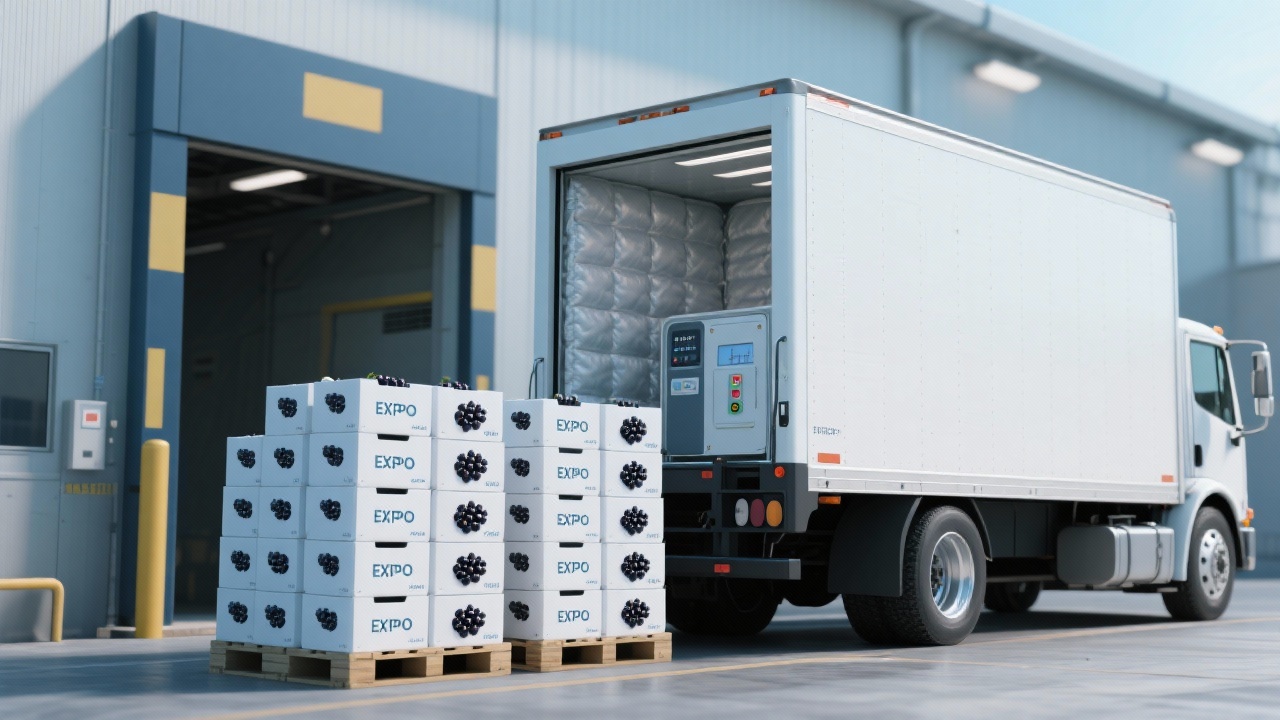
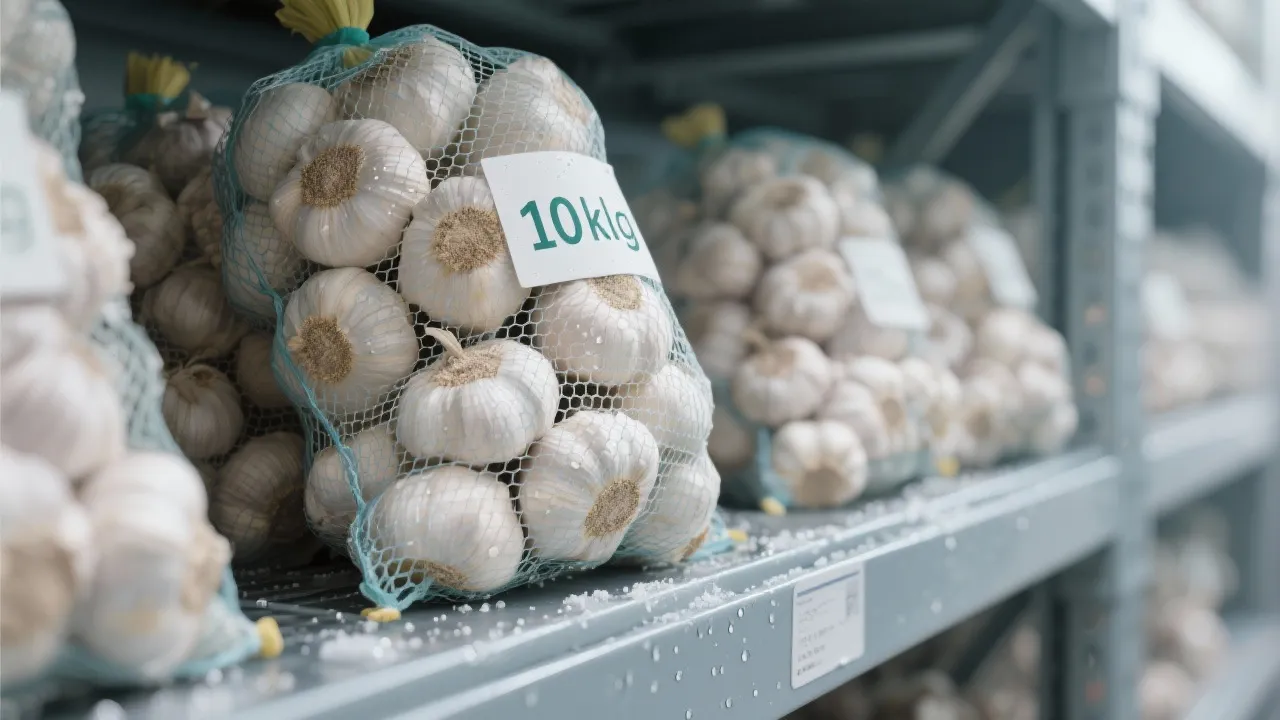
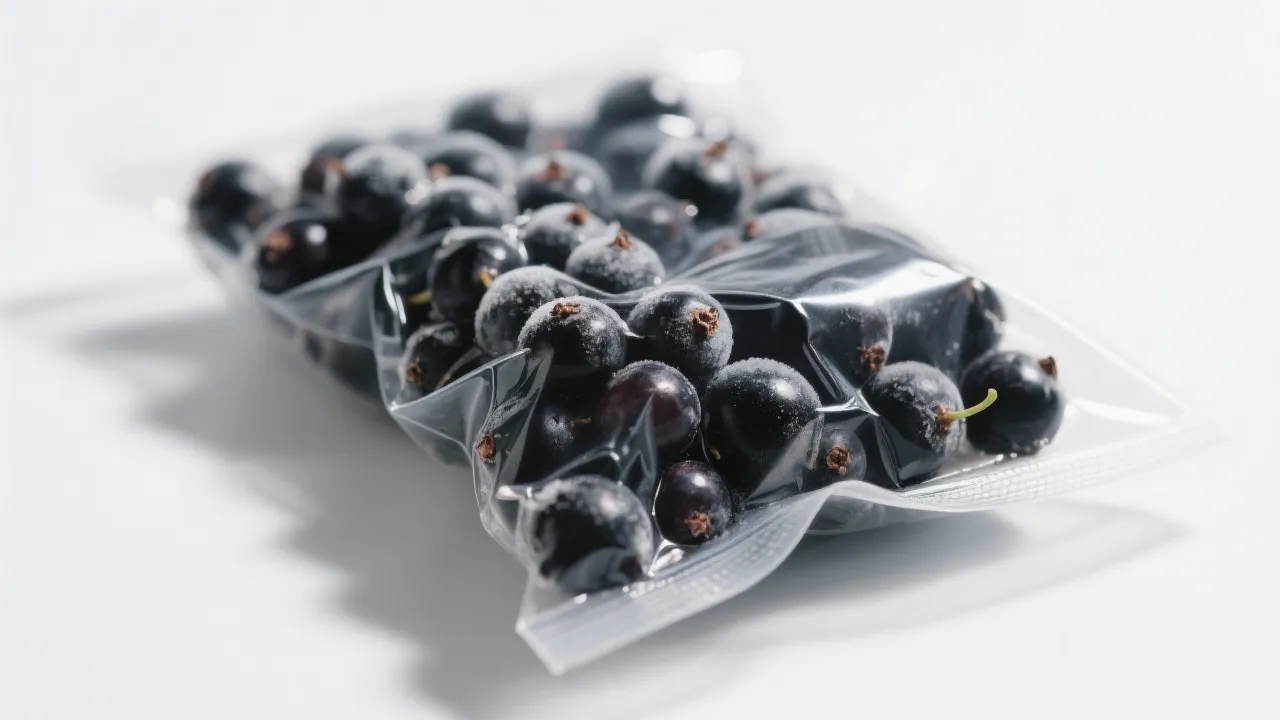
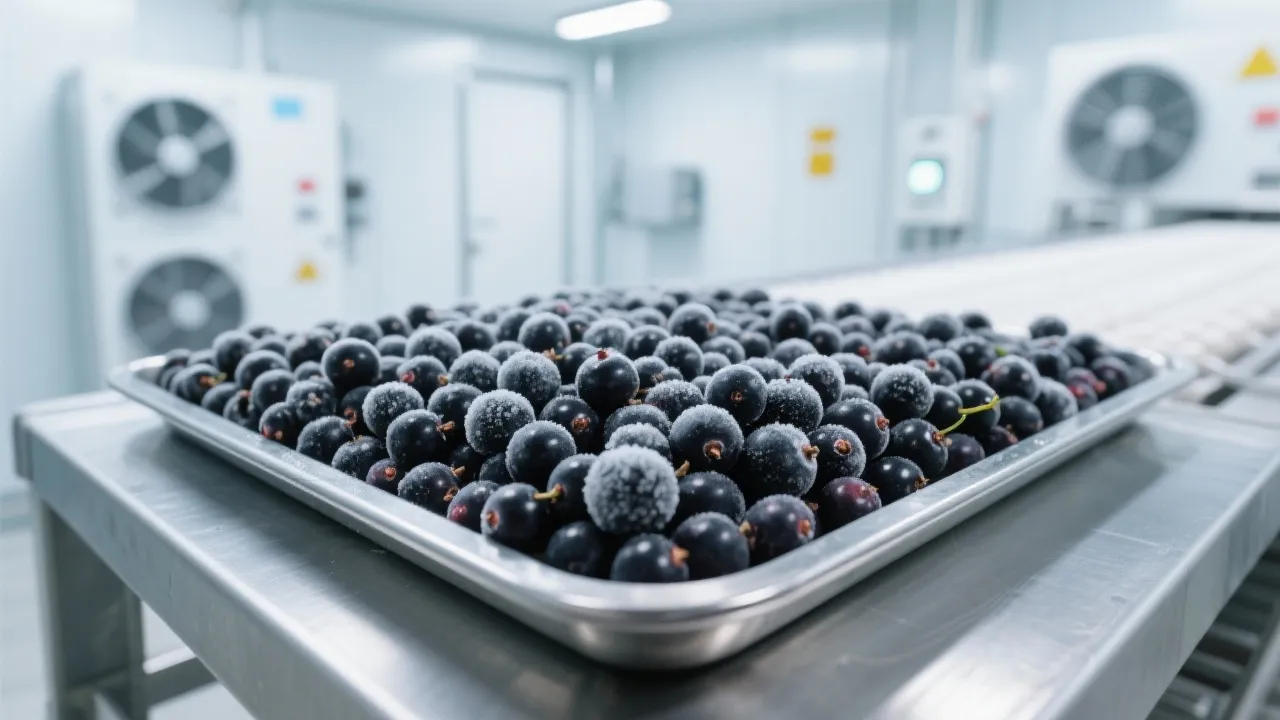
The cornerstone of effective cold chain management lies in understanding the science of freezing. At -18°C, the formation of ice crystals is carefully controlled to minimize cellular damage. This temperature point is not arbitrary—it represents the optimal balance between microbial inhibition and preservation of cellular structure.
Modern flash freezing systems can reduce product temperature from +25°C to -18°C in less than 15 minutes, creating microcrystals that are 5-10 times smaller than those formed in conventional freezing methods. These smaller crystals prevent rupture of cell walls, preserving both texture and nutrient content.
Key benefits of proper -18°C storage include:
• 90-95% retention of water-soluble vitamins
• 85% preservation of natural pigments like anthocyanins
• Microbial growth inhibition for extended shelf life
• Minimal texture degradation during thawing
Before freezing, implementing a rigorous sorting process is essential for maintaining quality standards. The three-stage manual inspection protocol developed by leading producers has been shown to increase whole fruit yield by 18-22% compared to single-stage sorting methods.
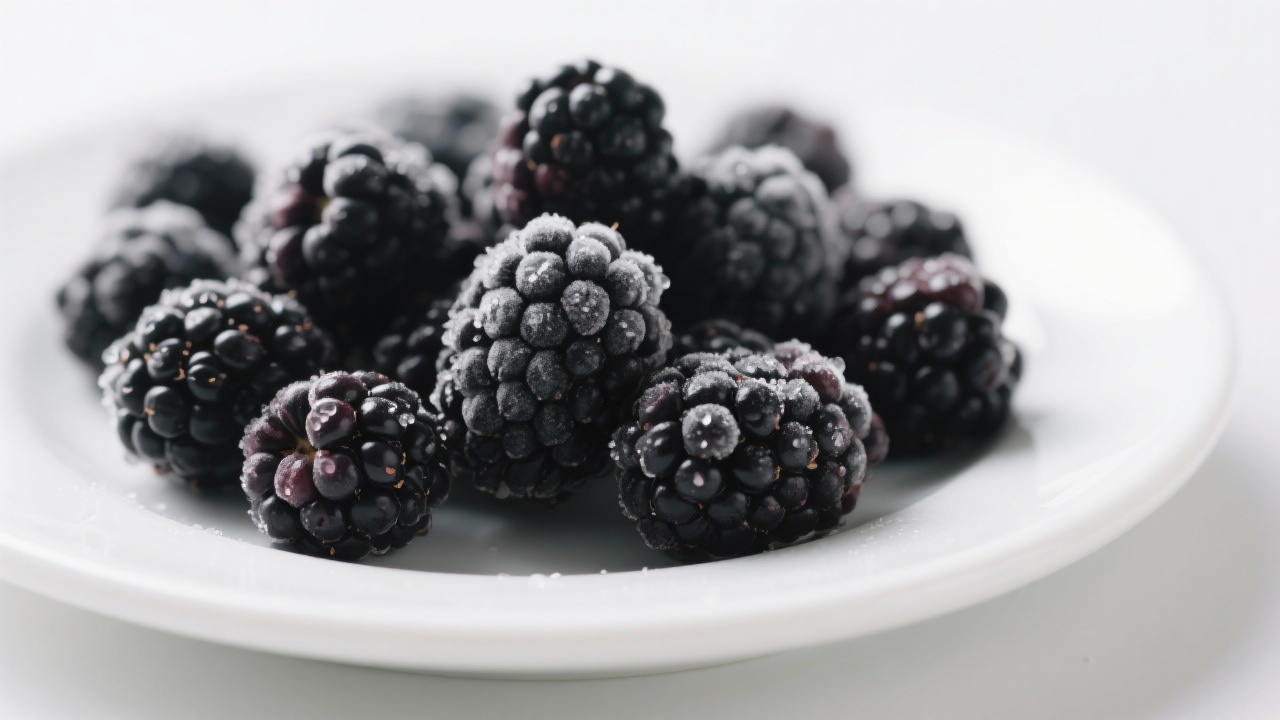
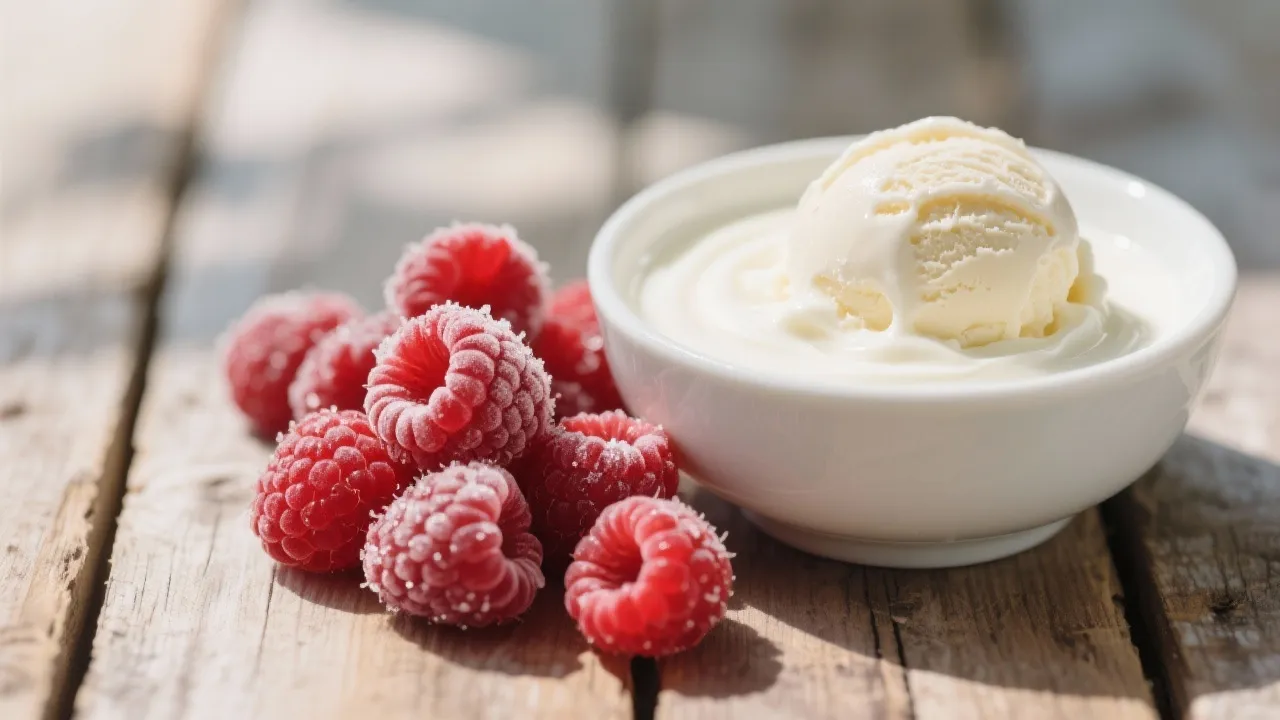
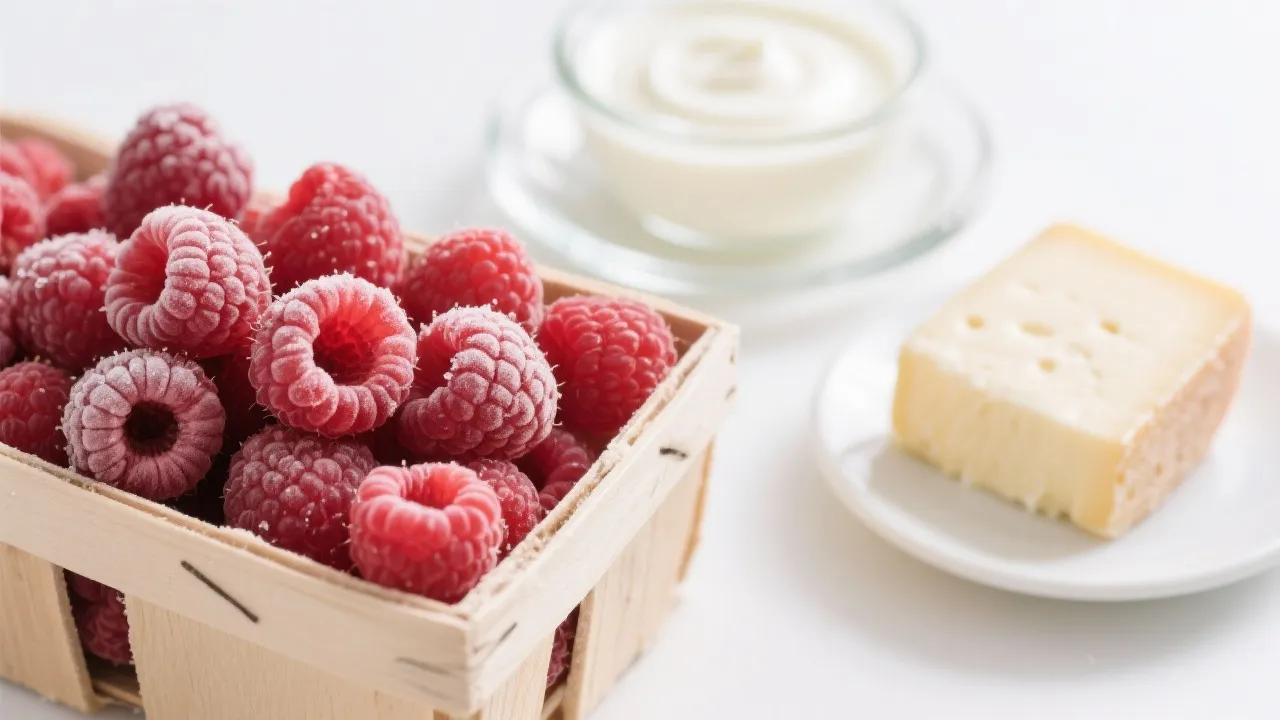
Using calibrated sizing rings, fruits are separated into uniform categories, ensuring consistent processing and cooking times. For example, premium whole frozen raspberries typically require 90% of berries to measure between 18-22mm in diameter.
Color sorting ensures optimal ripeness and nutrient content. Digital colorimeters are used to verify that 95% of berries meet specific color standards, such as a hue angle between 340-355° for ripe raspberries, indicating peak anthocyanin content.
Final manual inspection removes fruits with mechanical damage, insect damage, or signs of disease. This stage typically rejects 5-8% of fruits but is critical for maintaining product consistency and reducing downstream processing issues.
Implementing HACCP (Hazard Analysis and Critical Control Points) in conjunction with ISO 22000 creates a robust framework for identifying and mitigating cold chain risks before they impact product quality. Companies with integrated HACCP-ISO 22000 systems report 40% fewer quality incidents and 35% faster corrective action implementation.
Key monitoring points include:
• Pre-cooling time and temperature (target: 1 hour from harvest to 4°C)
• Freezing rate (minimum -5°C per minute until core temperature reaches -18°C)
• Storage temperature variance (maximum ±1°C)
• Transport temperature monitoring with real-time data logging
• Thawing protocols for processing
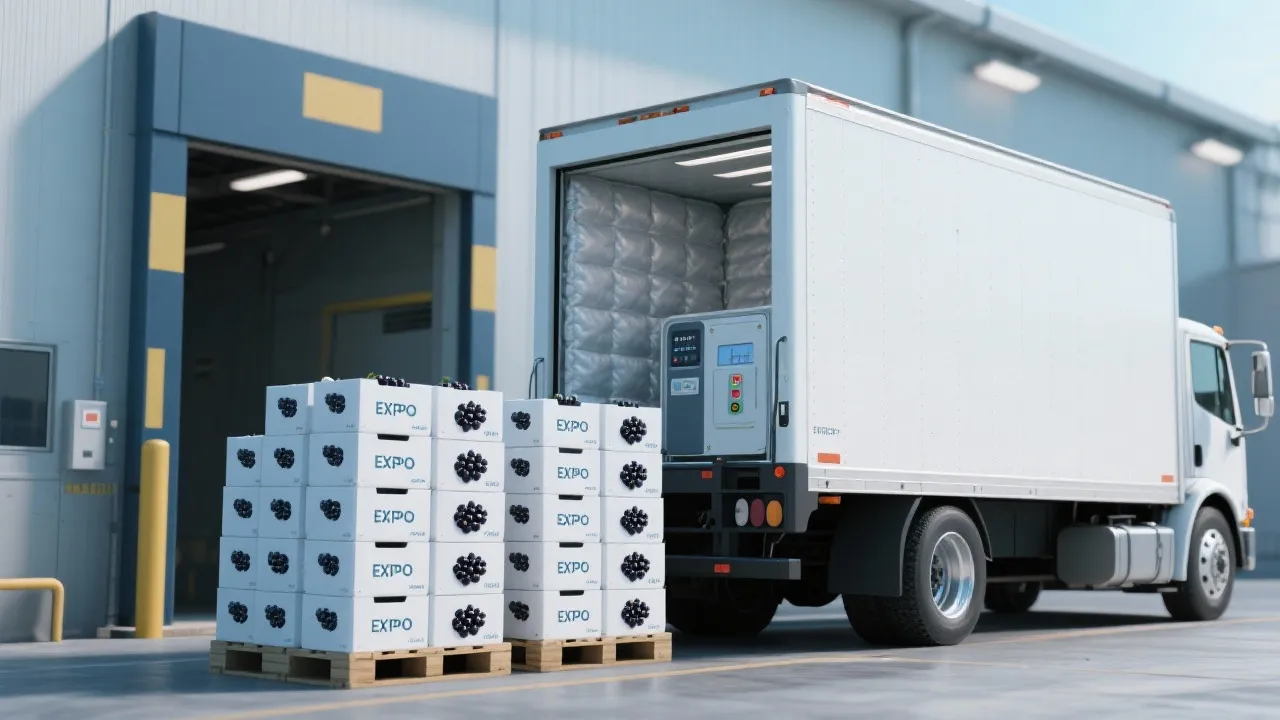
Ensuring seamless transitions between cold chain stages is vital for maintaining product integrity. The 5-step handover protocol developed by industry leaders has reduced temperature excursion incidents by 65% in real-world applications.
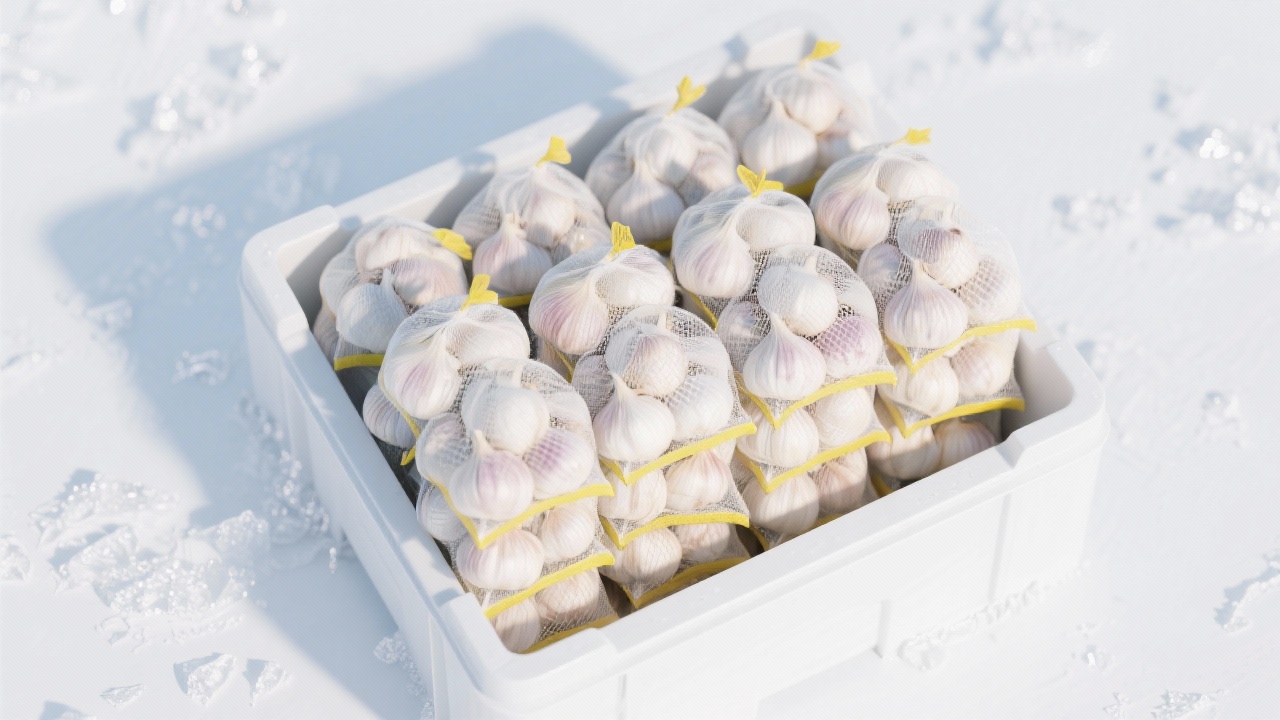
Review complete temperature logs from previous stage, verifying no excursions occurred. Digital records should show continuous monitoring with no readings above -16°C for frozen products.
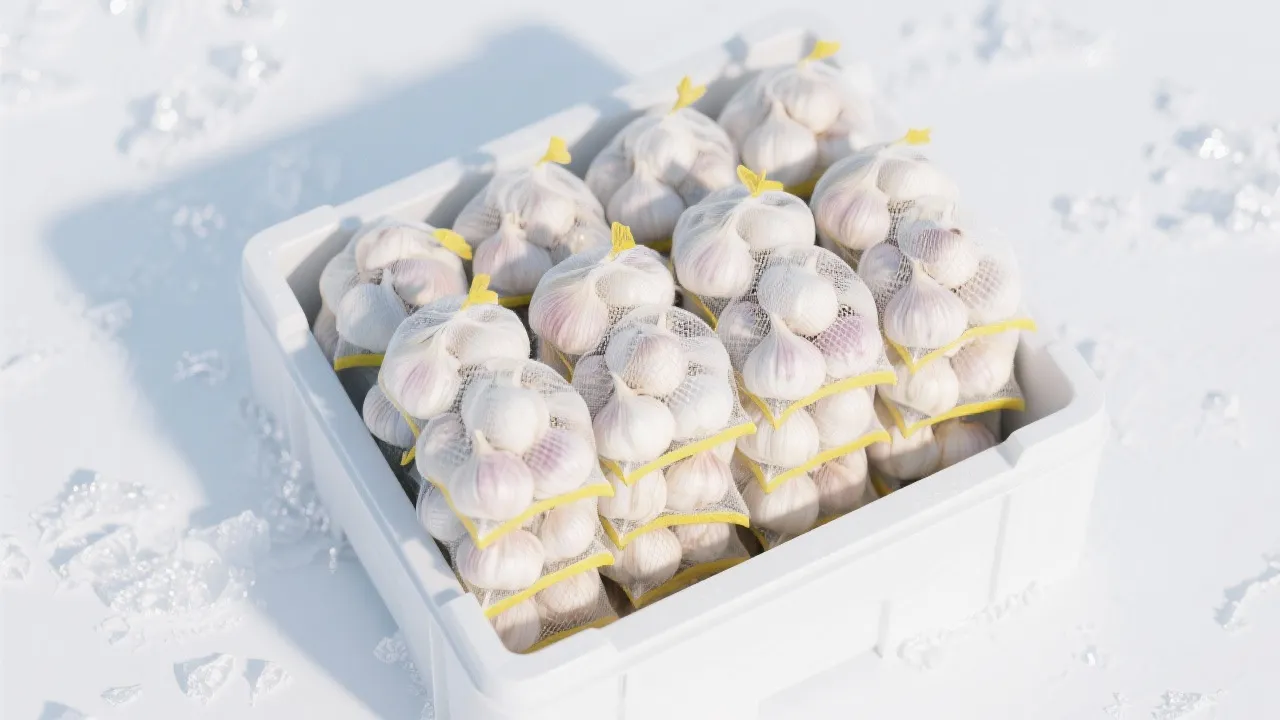
Use calibrated probes to verify core temperature of at least three representative cartons. Record readings must show consistent -18°C ±1°C throughout the shipment.
Check for evidence of thawing, including condensation, ice crystals on packaging exterior, or crushed cartons that might indicate temperature abuse.
Document and sign off on transfer, including time, temperature readings, and condition assessment. This creates accountability at each cold chain stage.
Activate real-time monitoring for the next transport segment, setting alerts for any temperature deviation beyond ±1°C of target.
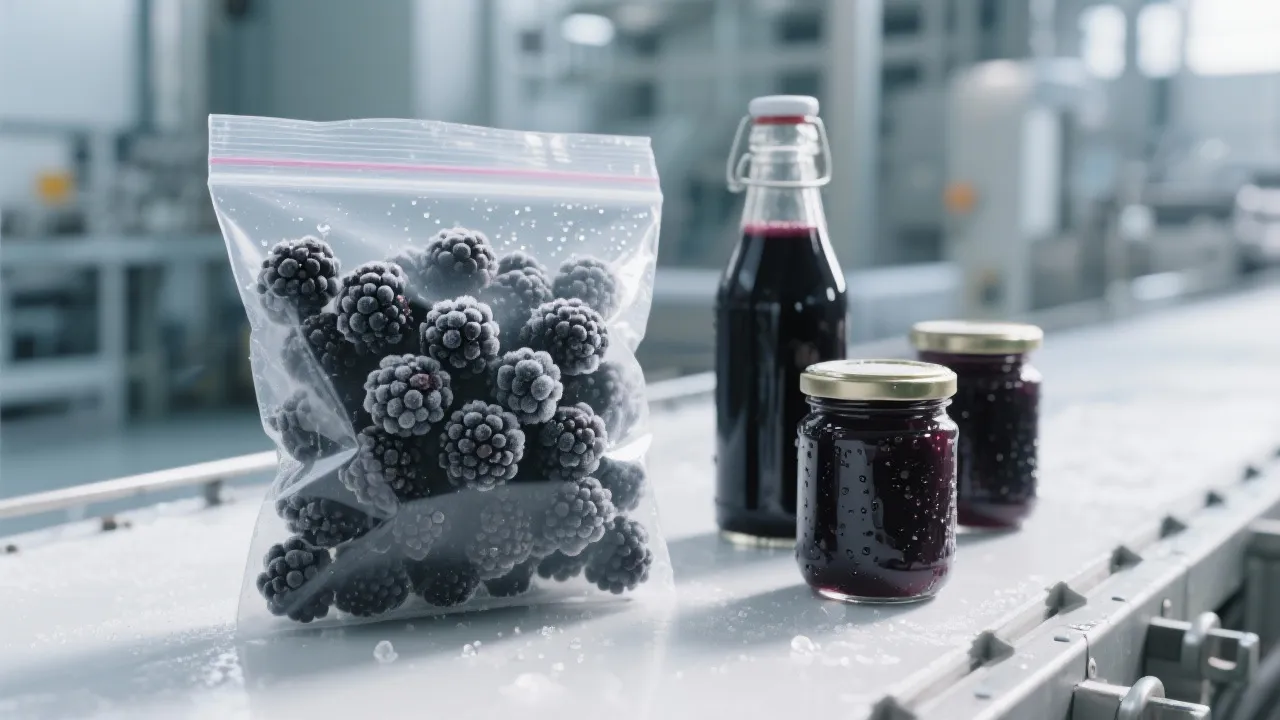
A leading European fruit processor partnered with 亿商桥 to implement these cold chain protocols for supplying frozen raspberry puree to beverage manufacturers in Thailand and Vietnam. Despite ambient temperatures exceeding 35°C, the implementation resulted in:
• 98.7% compliance with temperature standards during transport
• 21% reduction in product waste compared to previous suppliers
• Consistent anthocyanin levels exceeding 80 mg/100g
• Customer complaints related to quality dropping by 75%
These results demonstrate that even in challenging environments, proper cold chain management can deliver consistent quality while extending shelf life and maintaining nutritional integrity.
Enhance product quality, reduce waste, and ensure regulatory compliance with proven cold chain management techniques.
了解更多关于冷冻果蔬原料稳定性管理的技术细节,请访问我们的解决方案中心For food manufacturers developing functional products, the stability of fruit and vegetable raw materials directly impacts product efficacy and consumer satisfaction. By implementing science-based cold chain management practices, companies can differentiate their products in increasingly competitive markets while ensuring consistent quality and safety.

 97
|
97
|
 high anthocyanin supplements
natural antioxidants
cardiovascular health
red raspberry extract
functional food ingredients
188
|
export frozen raspberries
ISO 22000 certification
HACCP food safety
frozen fruit compliance
Yishangqiao
221
|
blackcurrant pH control
blackcurrant color stability
anthocyanin stabilization in juice
antioxidant application in fruit processing
blackcurrant juice and jam formulation
156
|
blackcurrant frozen fruit
juice processing technology
thawing methods
flavor preservation
cold chain logistics
476
|
raspberry ingredient sourcing
anthocyanin retention
vitamin C stability
freeze-drying vs hot-air drying
ISO 22000 compliance
high anthocyanin supplements
natural antioxidants
cardiovascular health
red raspberry extract
functional food ingredients
188
|
export frozen raspberries
ISO 22000 certification
HACCP food safety
frozen fruit compliance
Yishangqiao
221
|
blackcurrant pH control
blackcurrant color stability
anthocyanin stabilization in juice
antioxidant application in fruit processing
blackcurrant juice and jam formulation
156
|
blackcurrant frozen fruit
juice processing technology
thawing methods
flavor preservation
cold chain logistics
476
|
raspberry ingredient sourcing
anthocyanin retention
vitamin C stability
freeze-drying vs hot-air drying
ISO 22000 compliance


.png?x-oss-process=image/resize,h_100,m_lfit/format,webp)
.png?x-oss-process=image/resize,h_100,m_lfit/format,webp)
.png?x-oss-process=image/resize,h_100,m_lfit/format,webp)
 English


