
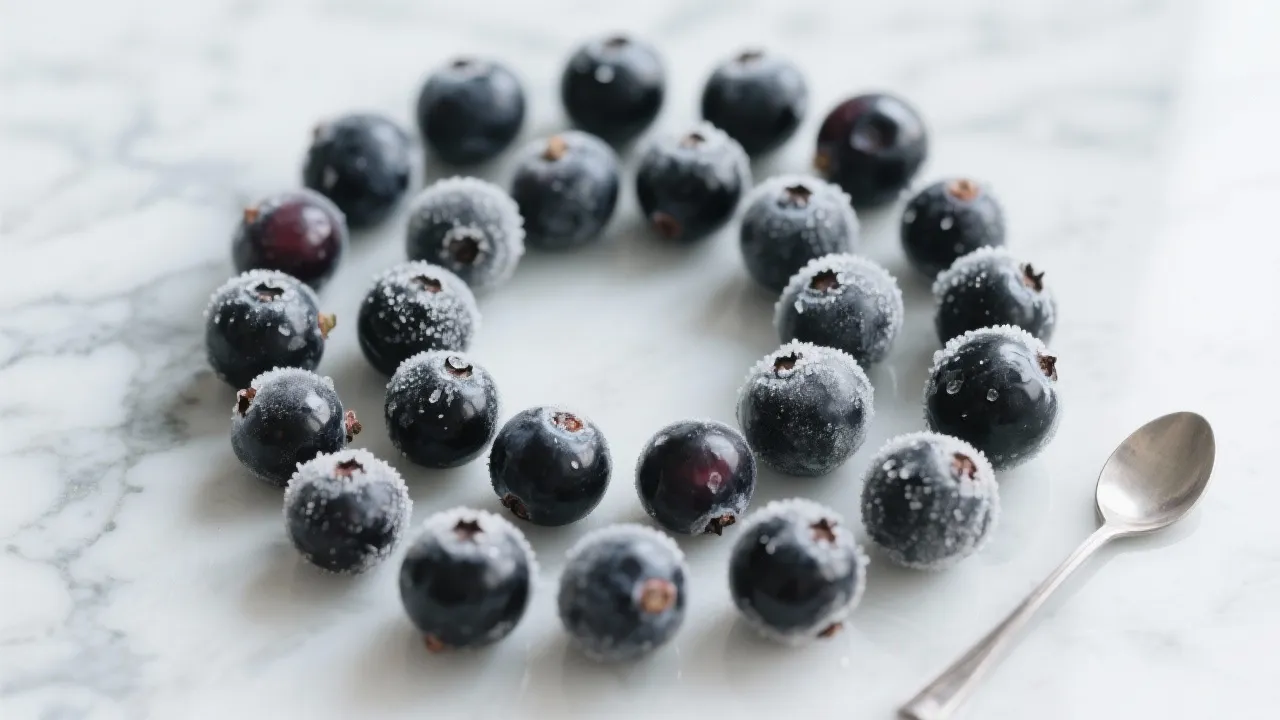
For bakery professionals and food processors, blackcurrants offer exceptional sensory appeal with their vibrant purple hue and distinctive tart-sweet flavor. However, these natural attributes face significant challenges during frozen dessert production and storage. Recent industry studies indicate that untreated blackcurrants can lose up to 40% of their anthocyanin content within 3 months of frozen storage, directly impacting product quality and consumer acceptance.
"The stability of blackcurrant pigments and flavor compounds during frozen storage is not merely a technical concern but a critical factor in product differentiation and market competitiveness," notes Dr. Elena Kravchenko, Food Science Specialist at the International Institute of Food Technology.
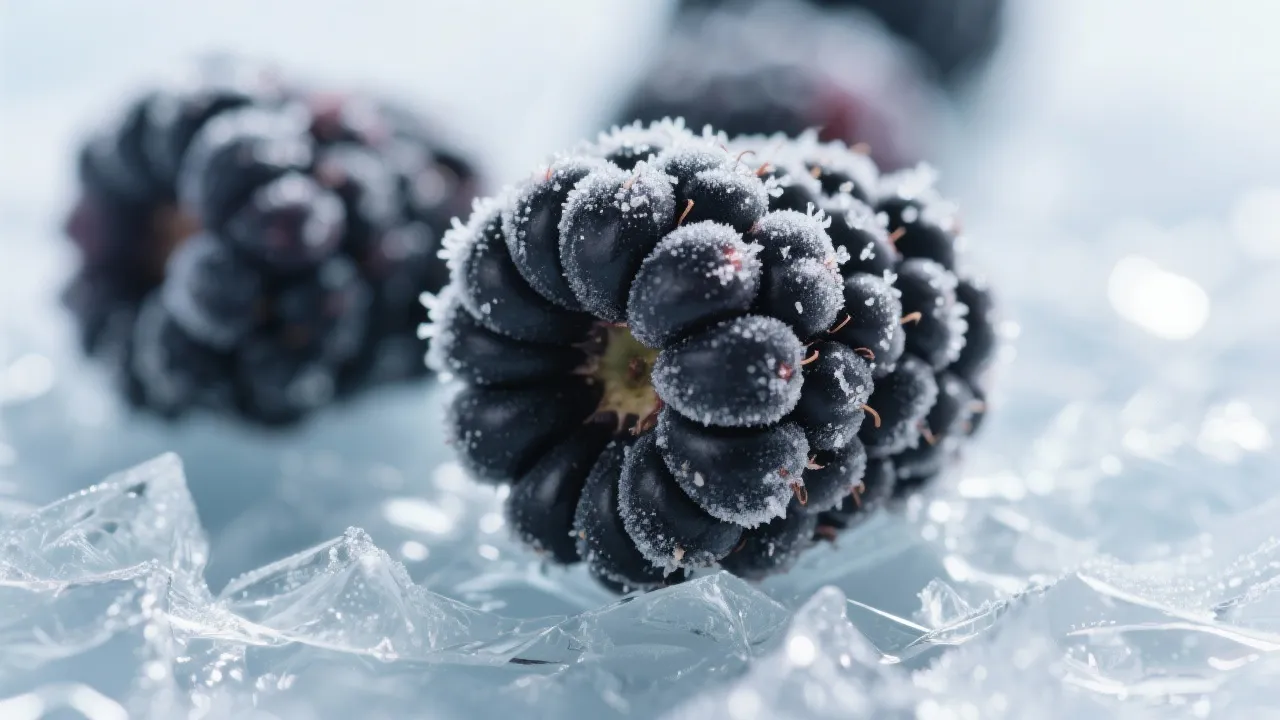
Blackcurrants possess unique cellular structures and bioactive compounds that react differently to freezing compared to other berries. The process of freezing triggers ice crystal formation, which can rupture cell walls, leading to juice leakage and subsequent loss of color and flavor compounds. Additionally, enzymatic activity continues at reduced rates even at typical freezer temperatures (-18°C), contributing to progressive degradation.
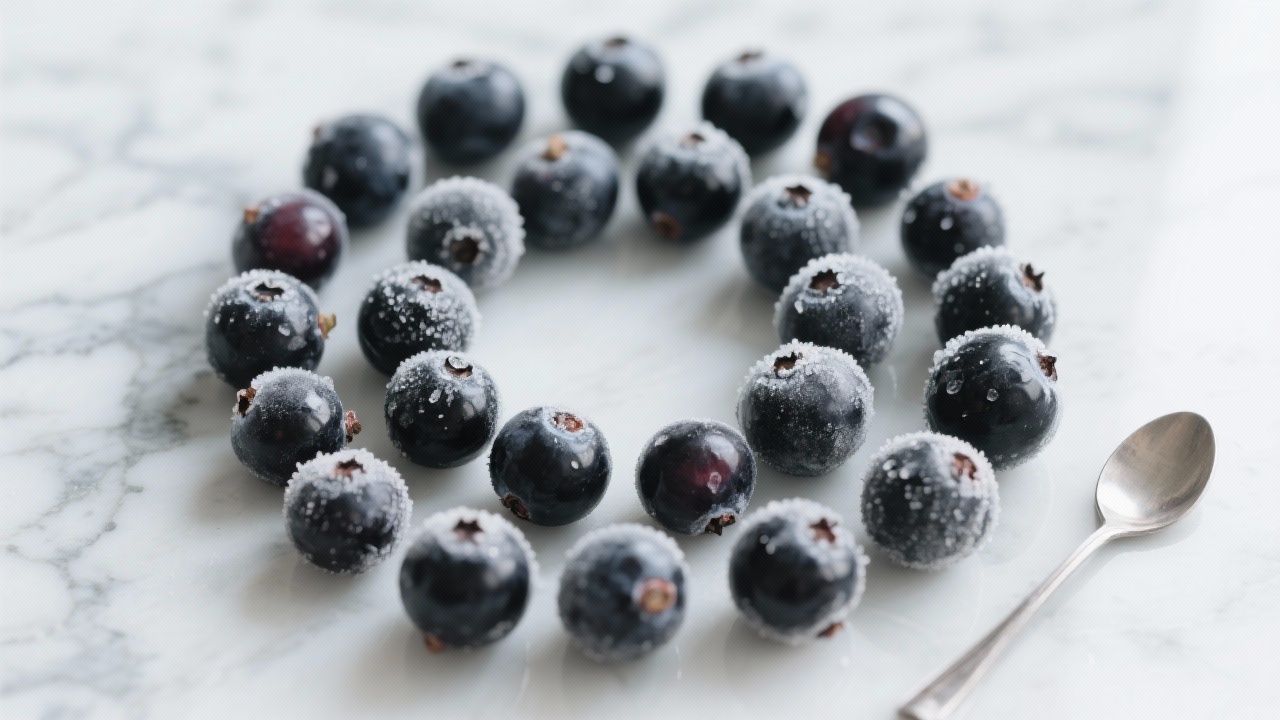
Anthocyanins, the primary pigments responsible for blackcurrants' characteristic color, are particularly vulnerable to degradation during freezing and storage. These water-soluble compounds undergo chemical changes when exposed to light, oxygen, and fluctuating temperatures, resulting in undesirable color shifts from deep purple to dull brownish tones.
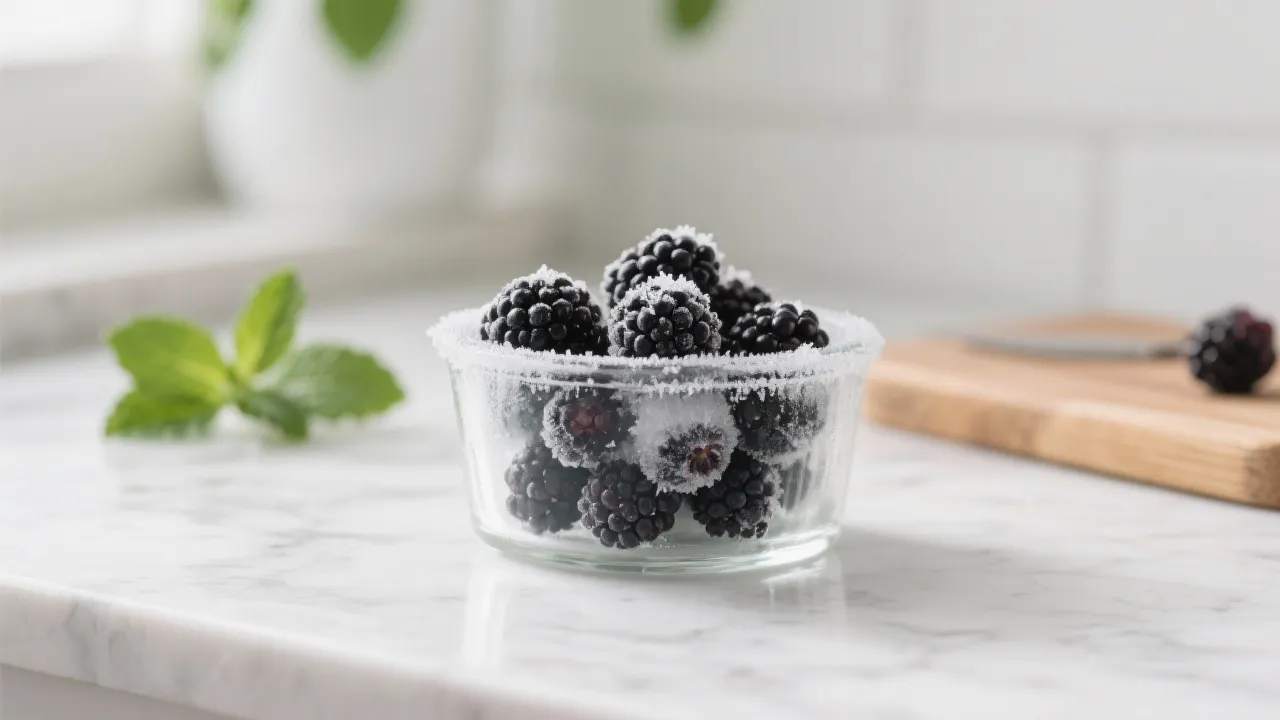
Controlled sugar渍 (sugar maceration) emerges as a highly effective pretreatment method. Research conducted by the European Food Research Center demonstrates that a 35-40% sugar solution creates an osmotic balance that protects cellular integrity. This process reduces ice crystal formation by lowering the freezing point and creates a protective matrix around anthocyanin molecules.
The careful selection and timing of antioxidant addition significantly impact stability. Ascorbic acid (vitamin C) at concentrations of 0.05-0.1% has proven effective in inhibiting oxidative processes, while natural alternatives like rosemary extract (0.02-0.05%) offer clean-label solutions. The optimal application point is post-sugar渍 but prior to freezing, ensuring maximum protection during the critical ice formation phase.
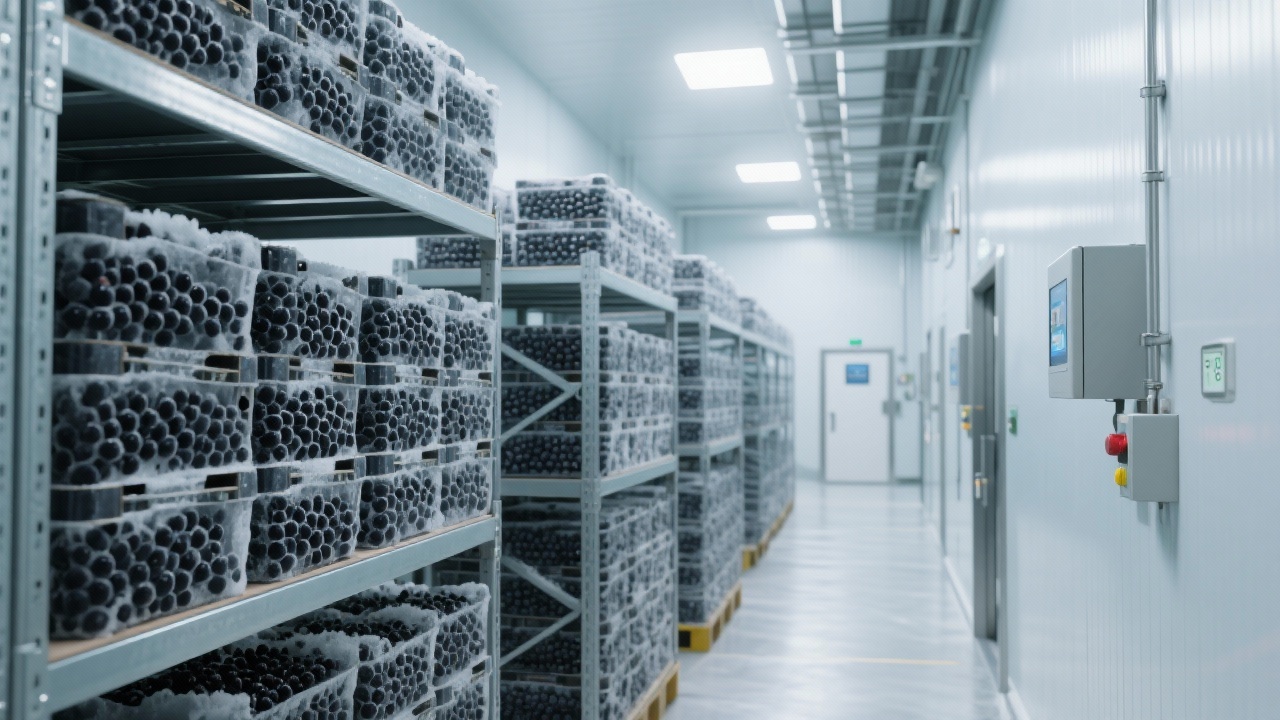
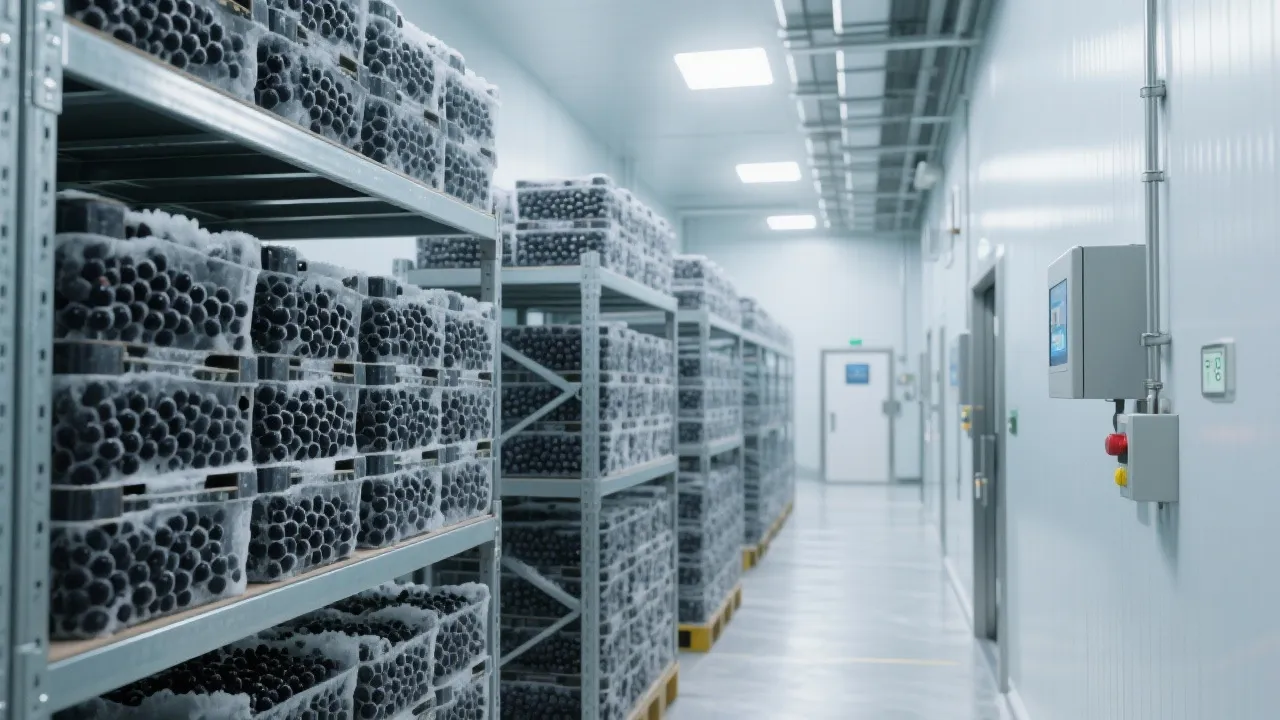
Maintaining consistent frozen storage temperatures is paramount. Fluctuations as small as ±2°C can accelerate quality degradation. Industry data shows that blackcurrant-containing desserts stored at a constant -20°C retain 30% more anthocyanins after 6 months compared to those stored at -18°C with regular temperature fluctuations.
Implementing these stabilization techniques requires careful process control and quality monitoring. A structured sensory evaluation system should be established, focusing on color intensity, flavor concentration, texture, and overall acceptability. The following scoring system provides a reliable framework for assessment:
| Attribute | Score Range | Description |
|---|---|---|
| Color Intensity | 1-9 | 1=Dull brownish; 9=Vibrant purple |
| Flavor Concentration | 1-9 | 1=Faint/undetectable; 9=Intense blackcurrant character |
| Texture | 1-9 | 1=Mushy/watery; 9=Firm/juicy |
| Overall Acceptability | 1-9 | 1=Unacceptable; 9=Exceptional |
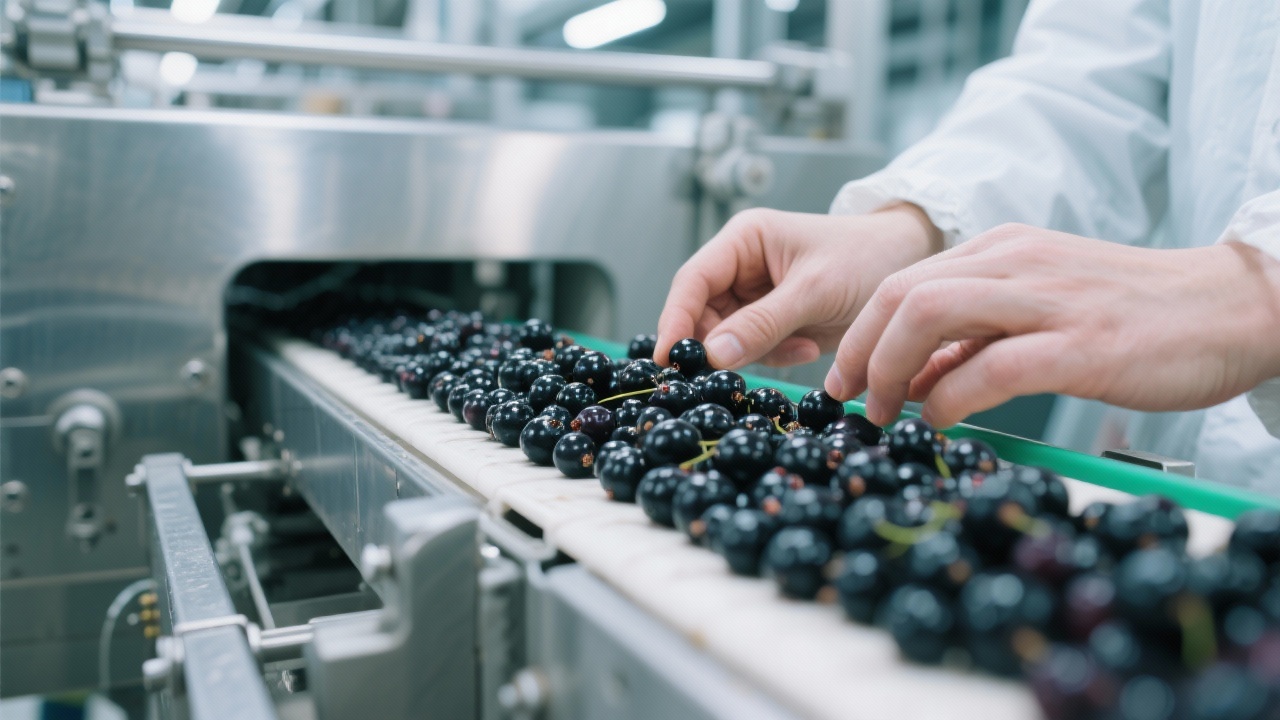
Many food processors fall into preventable traps that compromise blackcurrant stability. The most prevalent mistake is skipping the sugar渍 step, which leads to 40-50% greater juice loss during freezing. Another common error is using excessive heat during any pre-freezing processing, which accelerates anthocyanin degradation.
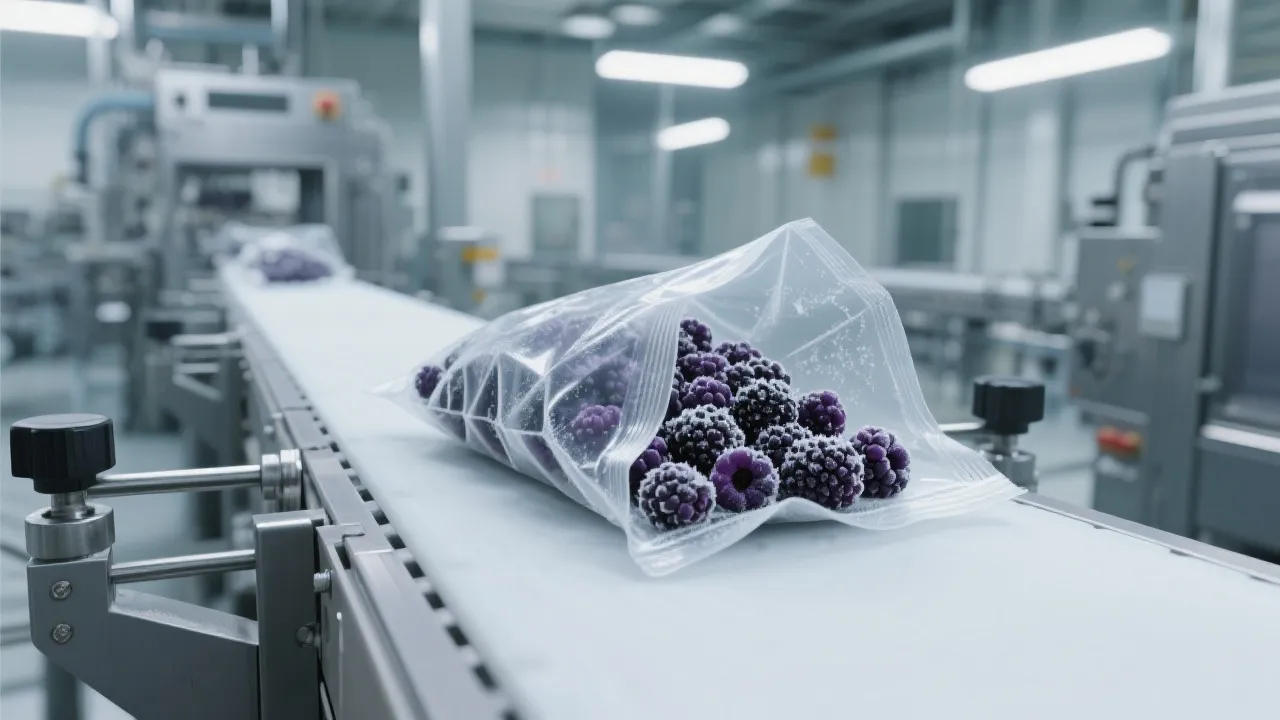
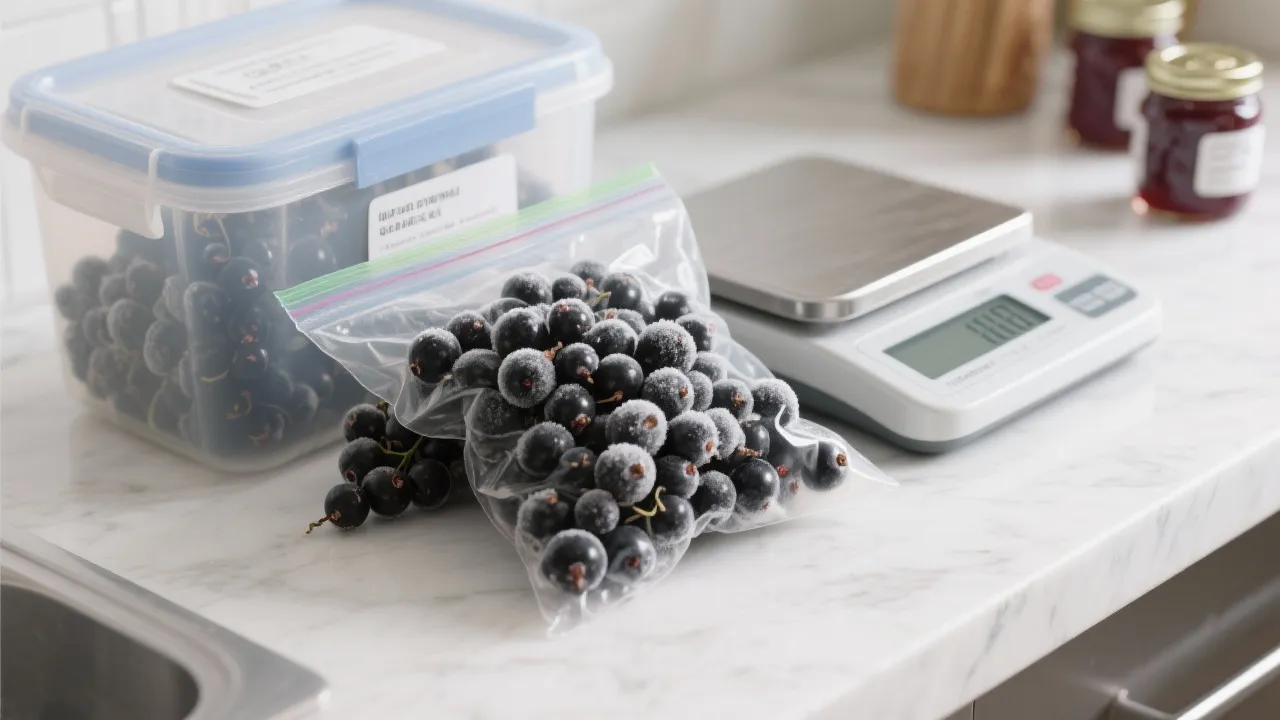
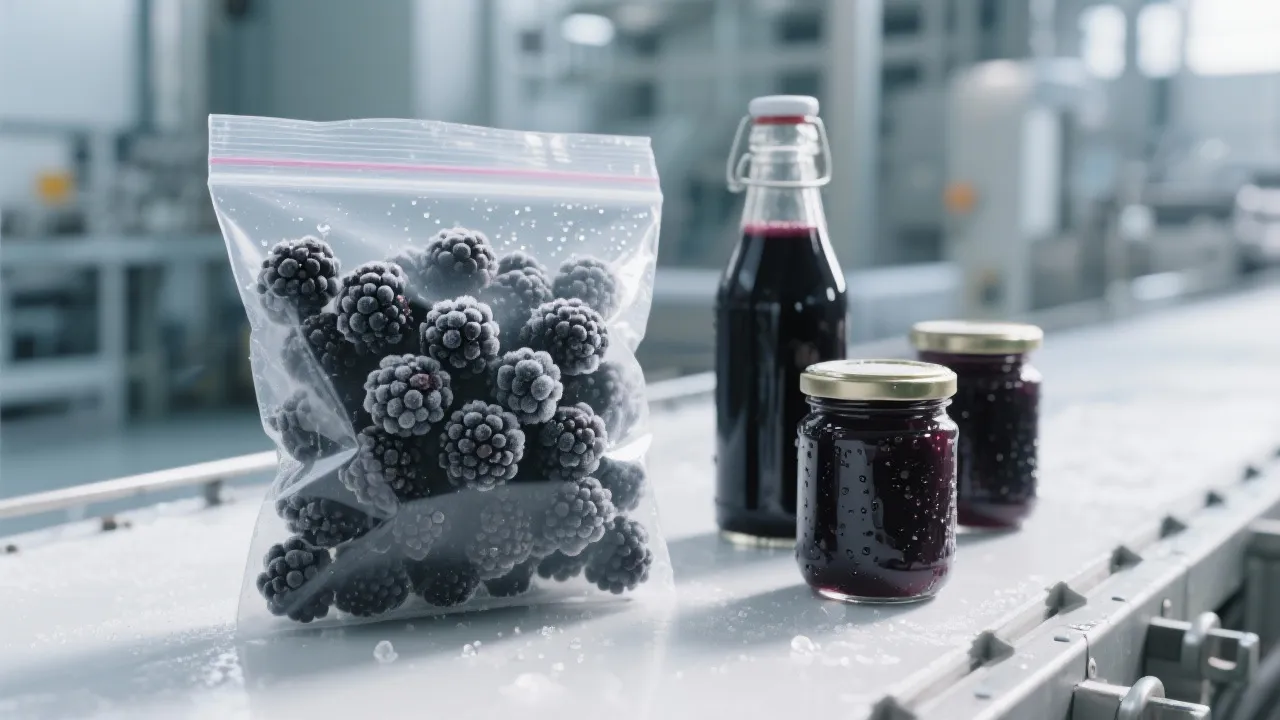
Proper packaging also plays a crucial role often overlooked by manufacturers. Oxygen-permeable packaging can reduce shelf life by up to 40% compared to oxygen-barrier materials. Vacuum-sealing with oxygen scavenger sachets provides optimal protection against oxidative degradation.
Download our comprehensive "Frozen Dessert Ingredient Stability Assessment Guide" to implement proven techniques that maintain optimal color, flavor, and texture in your blackcurrant-containing products.
Access Your Free Guide NowDeveloped by 亿商桥 food technology specialists with 15+ years of industry experience
By implementing these scientifically validated stabilization techniques, food manufacturers can significantly improve the quality consistency of blackcurrant frozen desserts. The combination of proper sugar渍, strategic antioxidant use, precise temperature control, and appropriate packaging creates a robust system that protects the natural attributes of blackcurrants throughout the frozen product lifecycle.
Continuous monitoring and regular sensory evaluation using the provided scoring system will ensure that product quality remains consistent, ultimately leading to increased consumer satisfaction and brand loyalty in the competitive frozen dessert market.

 51
|
51
|
 small-batch blackcurrant frozen fruit sourcing
European market supply chain management
OEM customized frozen fruit packaging
blackcurrant cold chain logistics
EU import certification
469
|
ISO 22000 certification for frozen raspberry export
frozen raspberry compliance
ISO 22000 HACCP
SGS testing for frozen fruits
food supply chain traceability
229
|
frozen fruits and vegetables preservation technology
cold chain freshness locking process
-18℃ frozen red raspberry
active nutrition retention
HACCP food safety system
283
|
high anthocyanin supplements
natural antioxidants
cardiovascular health
red raspberry extract
functional food ingredients
423
|
high anthocyanin supplements
natural antioxidants
red raspberry extract
functional food R&D
anthocyanin health benefits
small-batch blackcurrant frozen fruit sourcing
European market supply chain management
OEM customized frozen fruit packaging
blackcurrant cold chain logistics
EU import certification
469
|
ISO 22000 certification for frozen raspberry export
frozen raspberry compliance
ISO 22000 HACCP
SGS testing for frozen fruits
food supply chain traceability
229
|
frozen fruits and vegetables preservation technology
cold chain freshness locking process
-18℃ frozen red raspberry
active nutrition retention
HACCP food safety system
283
|
high anthocyanin supplements
natural antioxidants
cardiovascular health
red raspberry extract
functional food ingredients
423
|
high anthocyanin supplements
natural antioxidants
red raspberry extract
functional food R&D
anthocyanin health benefits



.png?x-oss-process=image/resize,h_100,m_lfit/format,webp)
.png?x-oss-process=image/resize,h_100,m_lfit/format,webp)
.png?x-oss-process=image/resize,h_100,m_lfit/format,webp)
 English


