Date: [Current Date] | Category: Food Processing Technology
Industry Insight: "Improper preprocessing can result in up to 30% product loss during blackcurrant freezing, directly impacting profitability for dessert manufacturers," notes Dr. Elena Kuznetsova, Food Technology Specialist at the International Institute of Food Preservation.
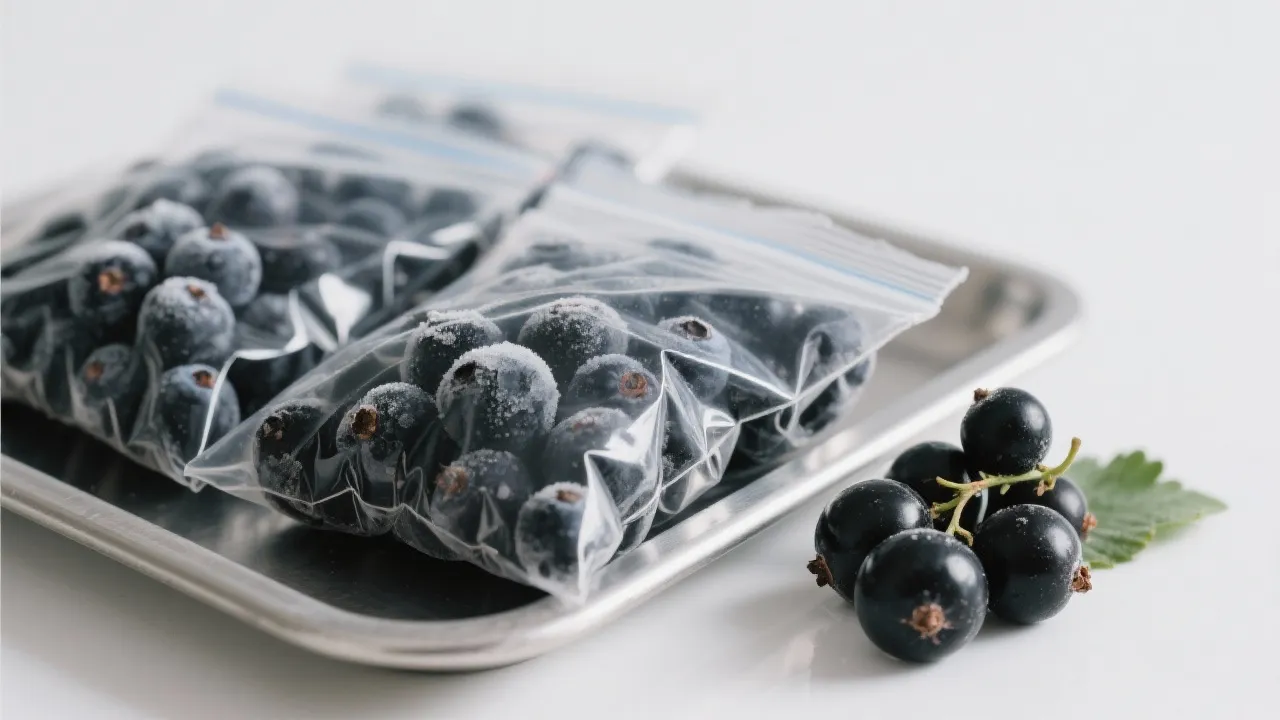
For small to medium-sized dessert factories and artisanal producers, maintaining the quality of frozen blackcurrants presents unique challenges. These vibrant berries, prized for their tart flavor and nutritional benefits, require precise handling from harvest to freezer to preserve their texture, color, and taste. The critical difference between subpar and premium frozen blackcurrants often lies in preprocessing techniques that many producers overlook.
Blackcurrants begin losing quality the moment they're harvested. Their high respiration rate causes rapid deterioration—within 4 hours at room temperature, significant texture and flavor changes occur. This creates a critical window for effective preprocessing.
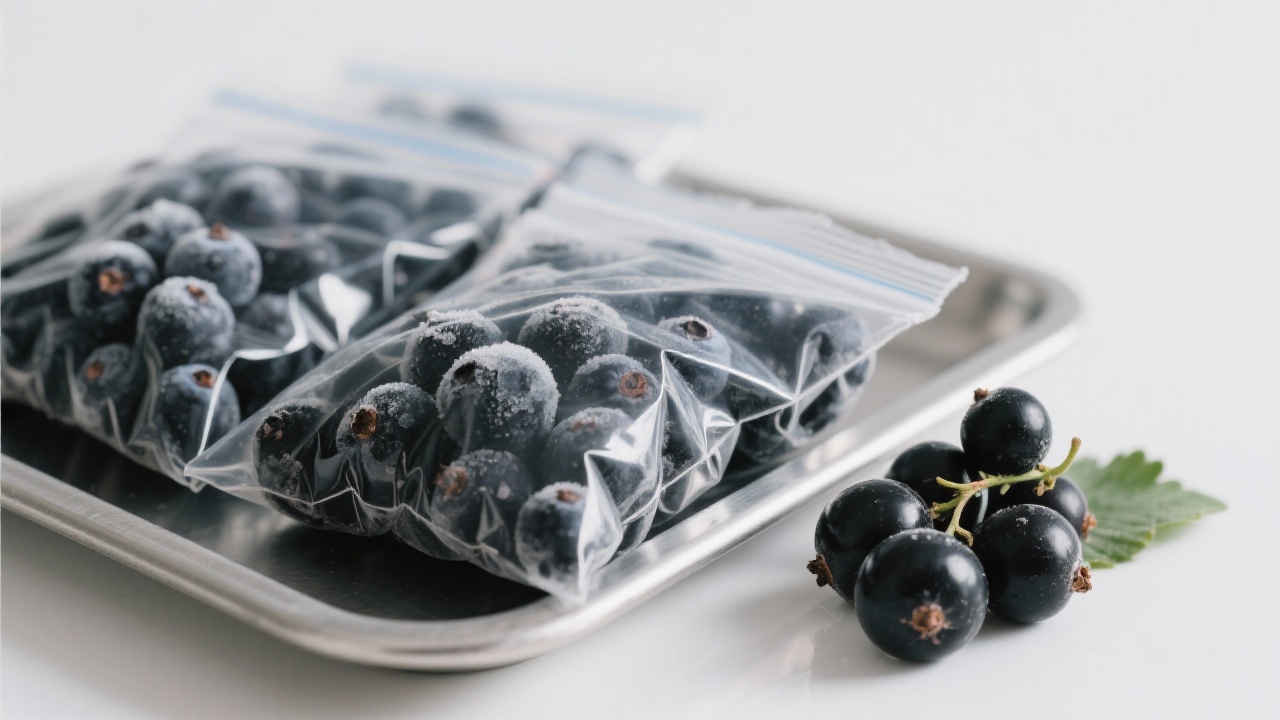
Optimal preprocessing starts in the field with proper harvesting techniques. Berries should be picked in the cool morning hours when temperatures range between 4°C and 10°C. This initial step alone can reduce subsequent processing challenges by up to 20%, according to research published in the Journal of Food Science and Technology.
Understanding why preprocessing matters requires examining cellular structure. Blackcurrant cells contain approximately 85% water. When frozen slowly, ice crystals form between 0°C and -5°C, growing large enough to rupture cell walls. This damage causes two major issues:
Removing stems, leaves, and underripe berries isn't just about quality—it directly affects freezing efficiency. A study by the European Food Processing Association found that proper sorting reduces freezer load by 12% and improves air circulation around berries.
Forced-air cooling to 4°C within 1 hour of harvest reduces respiratory activity by 50%. This step alone can extend frozen shelf life from 8 to 12 months while maintaining acceptable quality parameters.
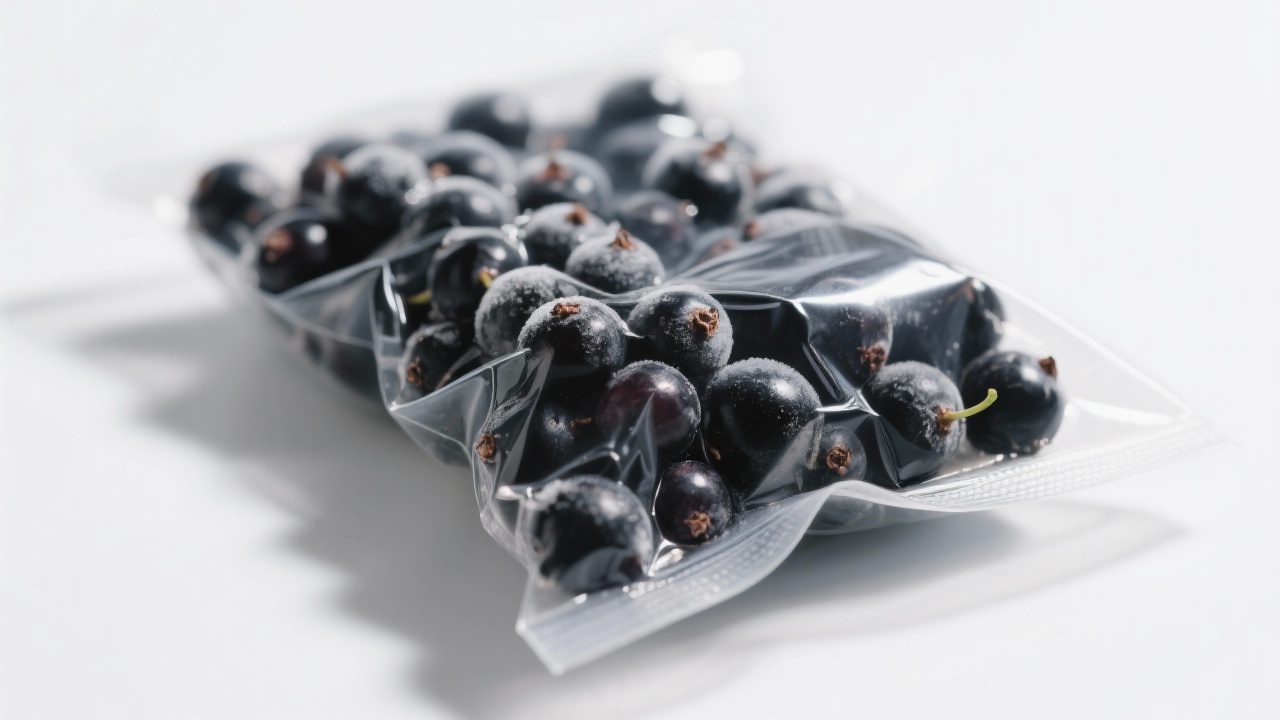
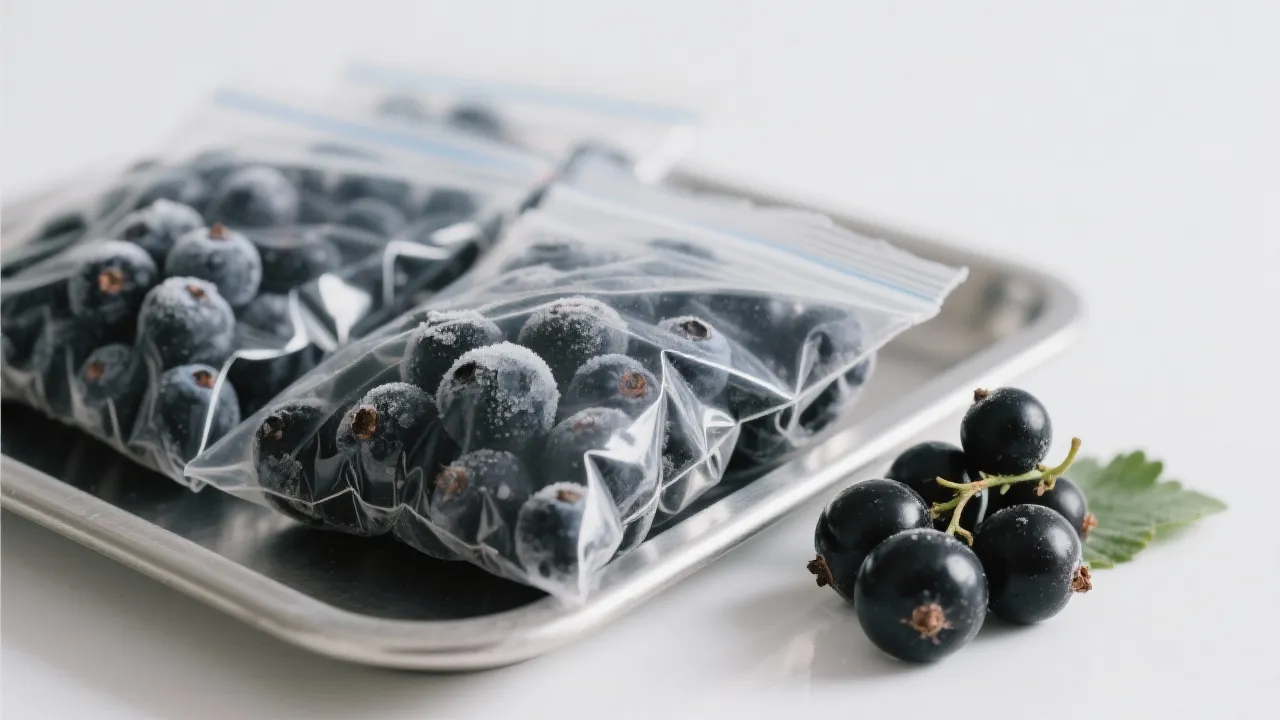
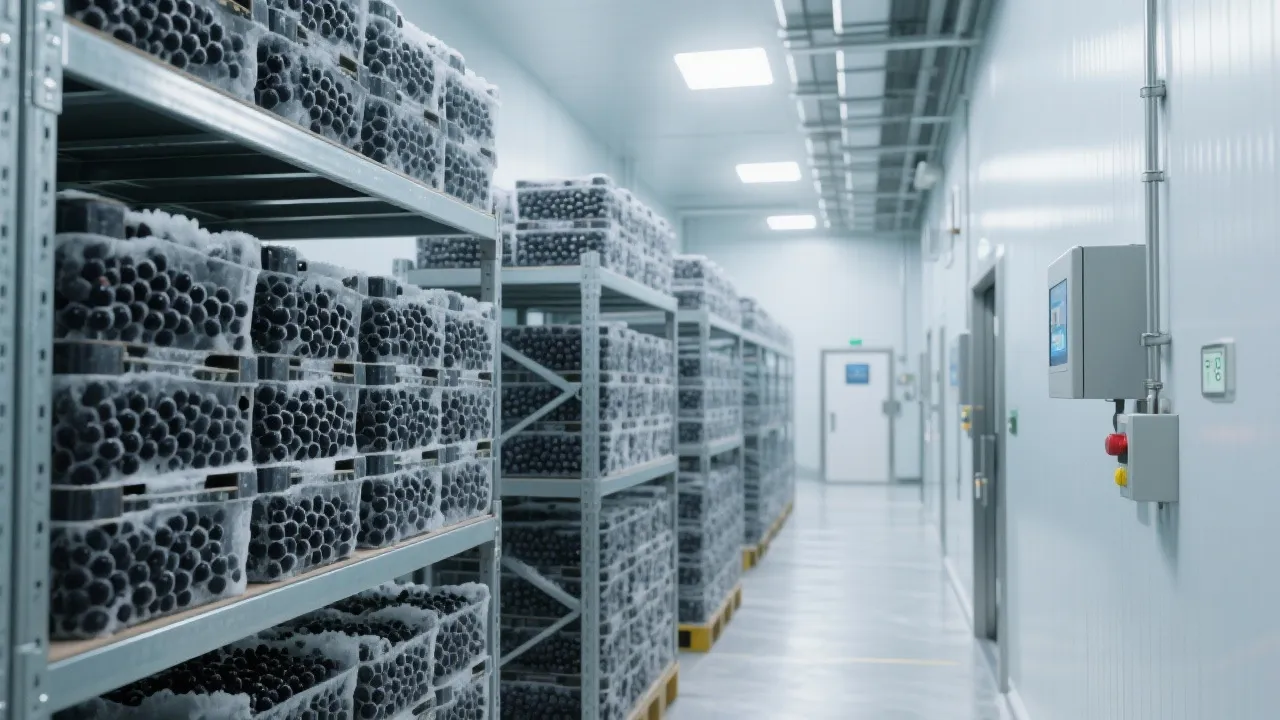
Once preprocessing is complete, the速冻 stage requires precise temperature control. Tunnel freezers, the workhorse of commercial operations, should maintain temperatures between -30°C and -40°C with air velocities of 5-8 m/s. This creates the optimal conditions for "shock freezing," producing small, uniform ice crystals that minimize cell damage.
| Processing Step | Optimal Parameters | Quality Impact |
|---|---|---|
| Harvesting Temperature | 4-10°C | Reduces initial degradation |
| Washing | 10-15°C water, 30-second duration | Removes contaminants without texture damage |
| Pre-cooling | To 4°C within 1 hour | Slows enzymatic activity by 50% |
| Freezing Temperature | -30°C to -40°C | Creates micro-crystals, preserving structure |
Many small-scale producers unknowingly compromise their blackcurrant quality through avoidable mistakes:
Mistake: Washing berries before sorting, leading to unnecessary water exposure
Solution: Sort first to remove debris, then wash briefly, followed by a gentle centrifugal drying step
Another critical error is overloading the freezer, which raises air temperature and increases freezing time. Maintaining proper airflow by not exceeding 70% capacity ensures consistent freezing and reduces energy consumption by approximately 18%.
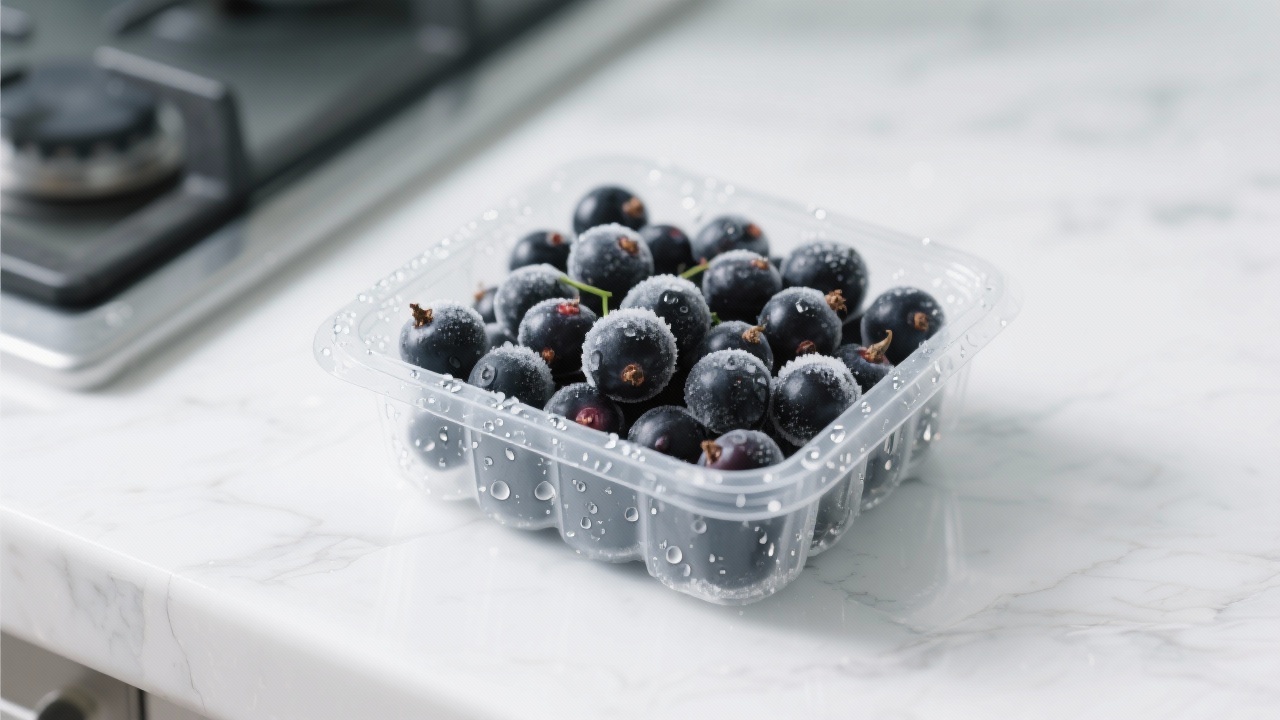
Effective quality control involves monitoring specific parameters before and after freezing:
These metrics not only ensure product quality but also directly impact customer satisfaction and repeat business. A甜品 manufacturer in Bavaria reported a 22% increase in customer retention after implementing optimized preprocessing protocols for their blackcurrant-based products.
Discover how 亿商桥 (Yishangqiao) can help you implement industry-leading preprocessing and freezing solutions tailored to your production scale.
Optimize Your Freezing Process NowProper preprocessing transforms frozen blackcurrants from a problematic ingredient into a reliable, high-quality component of your product line. By implementing these scientifically validated techniques, even small-scale producers can achieve consistent results that meet the demanding standards of modern consumers. The investment in proper handling equipment and protocols typically pays for itself within 6-8 months through reduced waste and improved product quality.

 108
|
108
|
 frozen blackcurrants
EU import standards
HACCP certification
quick-freezing technology
European market compliance
97
|
high anthocyanin supplements
natural antioxidants
cardiovascular health
red raspberry extract
functional food ingredients
457
|
Halal certification
Kosher certification
food export compliance
global market access
Yishangqiao
485
|
small-batch frozen blackcurrants
European import standards
HACCP certified frozen fruits
cold chain logistics for frozen fruits
OEM packaging for frozen fruits
320
|
frozen blackberries smoothies
frozen blackberries milkshakes
blackberry smoothie layering
coconut milk yogurt smoothies
natural blackberry color extraction
frozen blackcurrants
EU import standards
HACCP certification
quick-freezing technology
European market compliance
97
|
high anthocyanin supplements
natural antioxidants
cardiovascular health
red raspberry extract
functional food ingredients
457
|
Halal certification
Kosher certification
food export compliance
global market access
Yishangqiao
485
|
small-batch frozen blackcurrants
European import standards
HACCP certified frozen fruits
cold chain logistics for frozen fruits
OEM packaging for frozen fruits
320
|
frozen blackberries smoothies
frozen blackberries milkshakes
blackberry smoothie layering
coconut milk yogurt smoothies
natural blackberry color extraction


.png?x-oss-process=image/resize,h_100,m_lfit/format,webp)
.png?x-oss-process=image/resize,h_100,m_lfit/format,webp)
.png?x-oss-process=image/resize,h_100,m_lfit/format,webp)
 English