
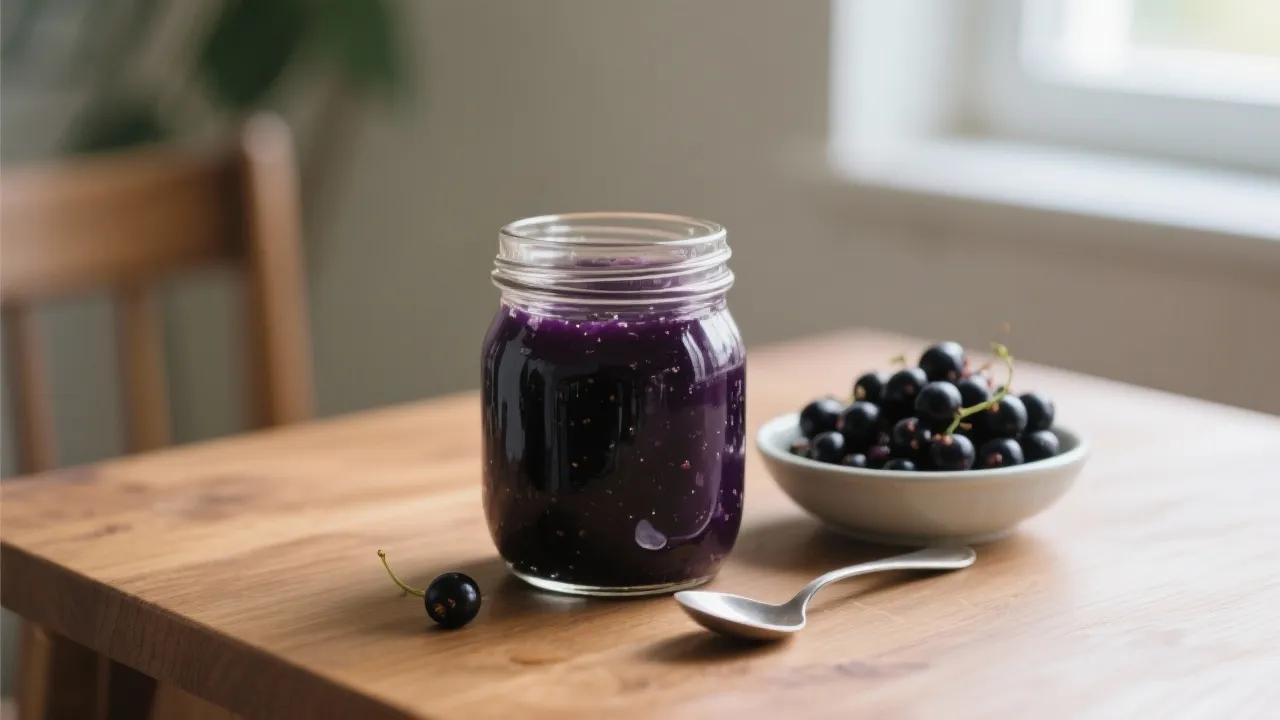
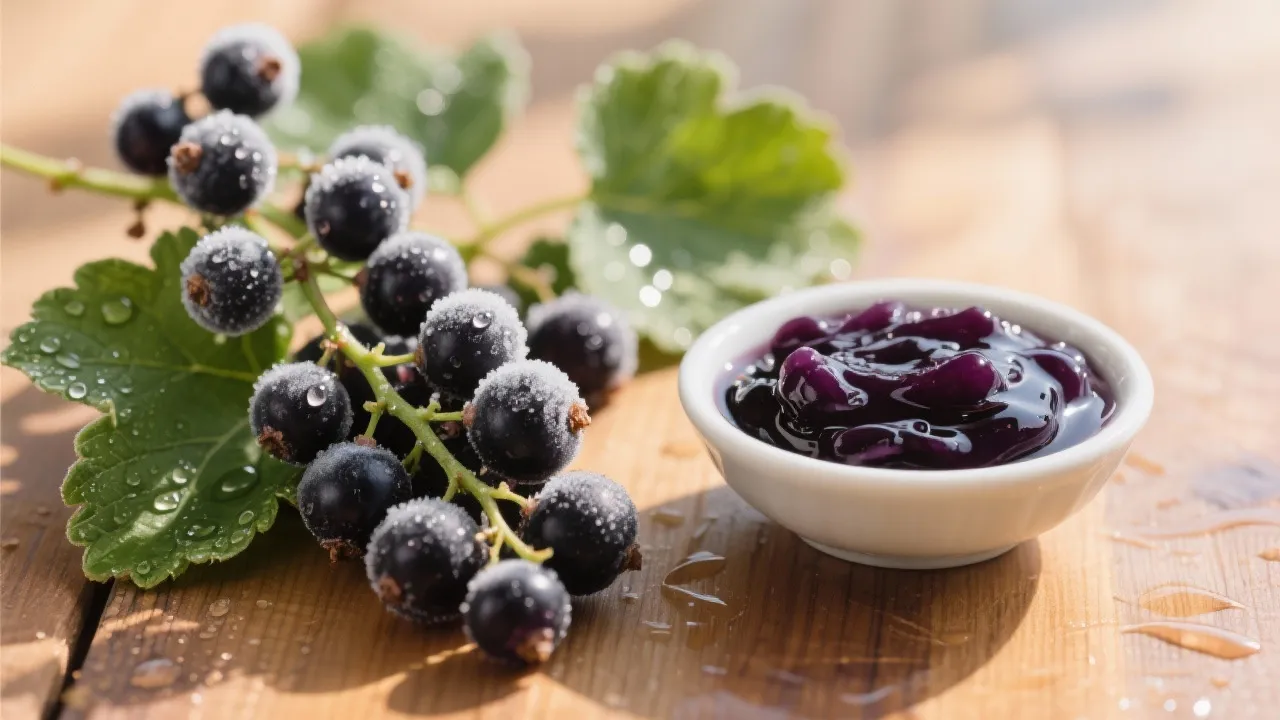
Blackcurrants are rich in anthocyanins and vitamin C, making them an ideal raw material for high - end juices and jams. However, their high acidity and tendency to brown often affect the color and taste stability of the finished products. This article delves into how to precisely control the pH value to stabilize the anthocyanin color and enhance flavor balance, and provides practical solutions for food R & D personnel.
Anthocyanins are natural pigments in blackcurrants, and their stability is highly dependent on the pH value. Research shows that in a pH range of 2.5 - 3.5, anthocyanins in blackcurrants maintain relatively high stability. When the pH is too high, the color of anthocyanins fades, and when the pH is too low, it may cause a sour taste that affects the overall flavor. For example, at a pH of 2.8, the color stability of blackcurrant anthocyanins can reach up to 90% within a week, while at a pH of 4.0, this stability drops to about 60%.
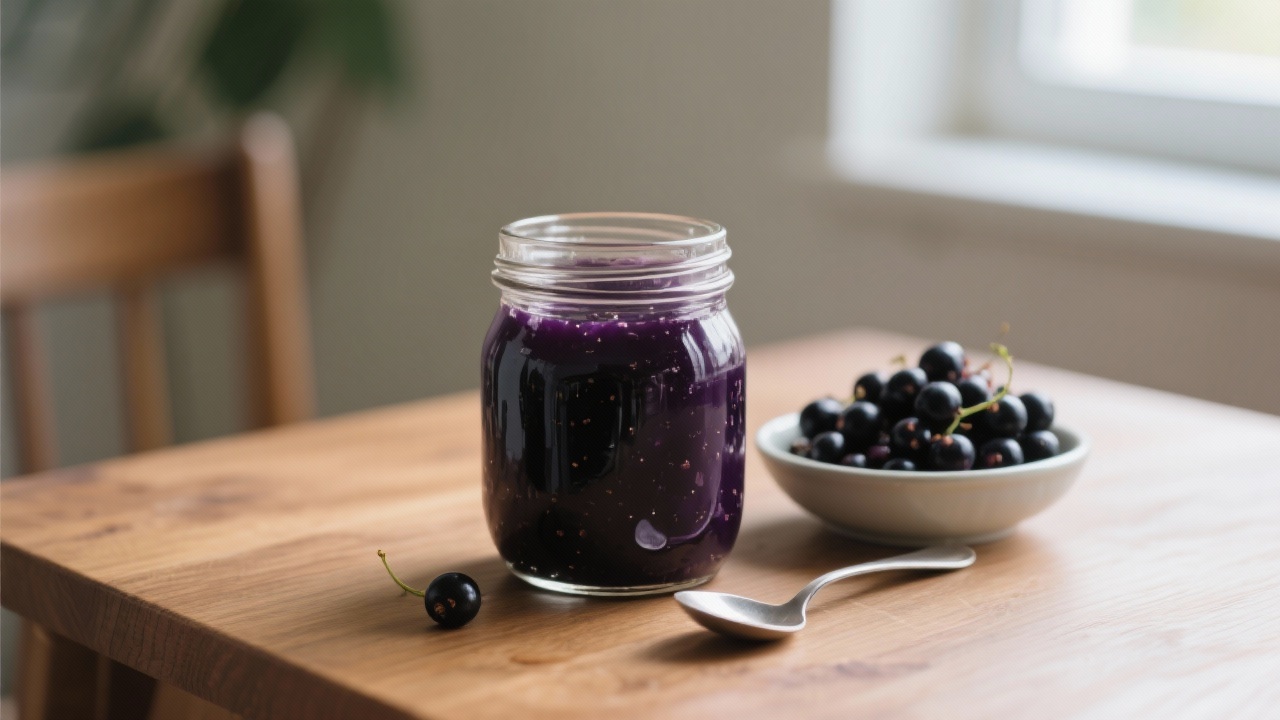
In addition to pH control, the balance between sugar content and acidity is crucial for improving the taste of blackcurrant juices and jams. Generally, a sugar - acid ratio of 12:1 to 15:1 can provide a pleasant taste experience. For instance, when making blackcurrant juice, adjusting the sugar content to 12 - 15 grams per 100 ml and the titratable acidity to 0.8 - 1.2 grams per 100 ml (in terms of citric acid) can achieve a well - rounded flavor.
To reduce nutritional loss during processing, the selection and addition timing of antioxidants are key. Ascorbic acid and citric acid are commonly used antioxidants in blackcurrant processing. Adding 0.1 - 0.2% ascorbic acid at the beginning of the juicing process can effectively prevent the oxidation of anthocyanins. Moreover, adding 0.05 - 0.1% citric acid during the concentration stage can further enhance the antioxidant effect, reducing the loss of vitamin C by about 20 - 30%.
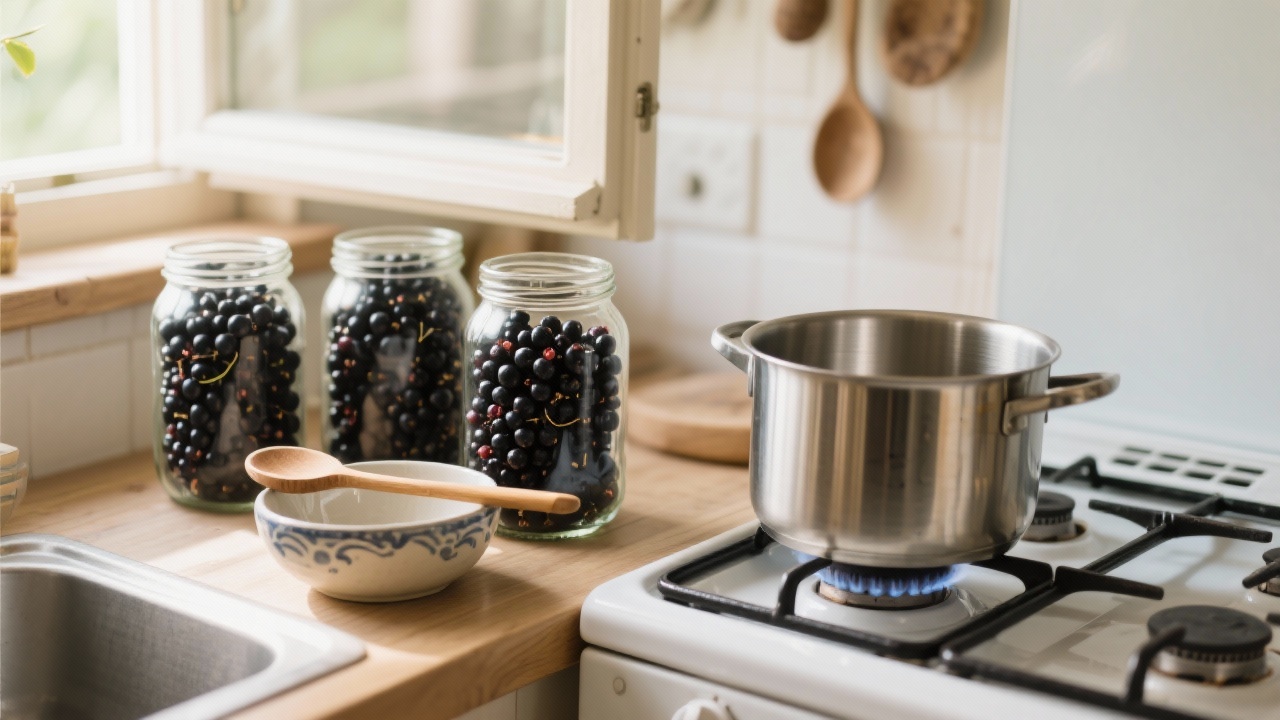
During the processing of blackcurrant juices and jams, problems such as precipitation and texture softening often occur. For precipitation, adding 0.1 - 0.2% pectinase during the enzymatic hydrolysis stage can effectively break down the pectin in blackcurrants, reducing precipitation by about 70 - 80%. To prevent texture softening, adjusting the cooking time and temperature is essential. Cooking at 80 - 90°C for 10 - 15 minutes can maintain a good texture.
Let's take a well - known food company as an example. By precisely controlling the pH value at 2.9, adjusting the sugar - acid ratio to 13:1, and adding 0.15% ascorbic acid and 0.08% citric acid, they successfully improved the color stability of their blackcurrant jam by 25% and enhanced the taste acceptance by consumers by 30%. This case shows that applying these techniques can significantly improve product quality.
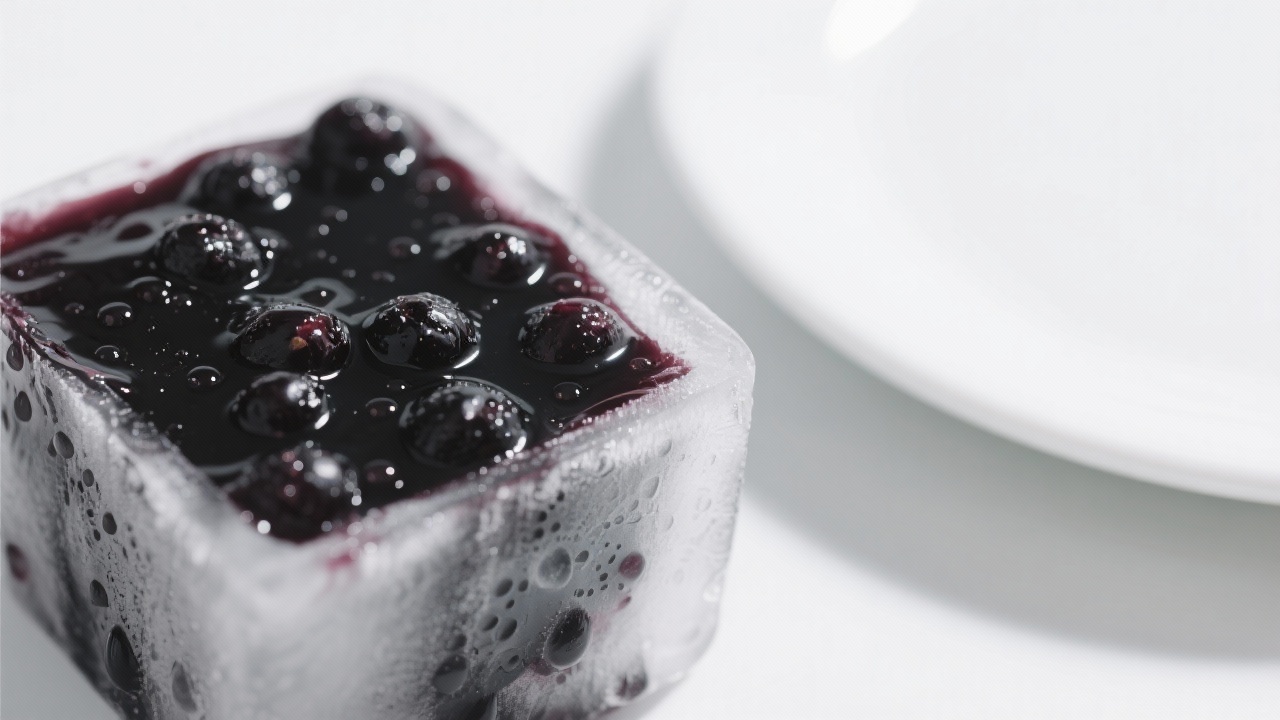
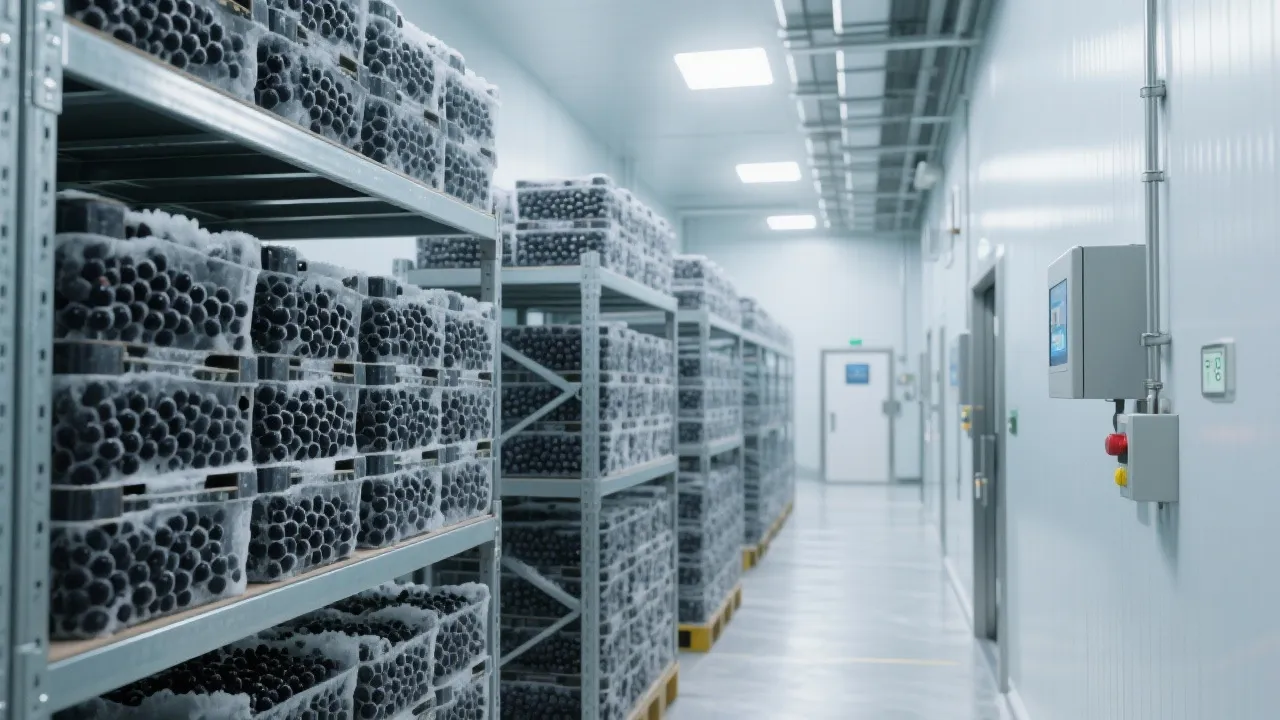
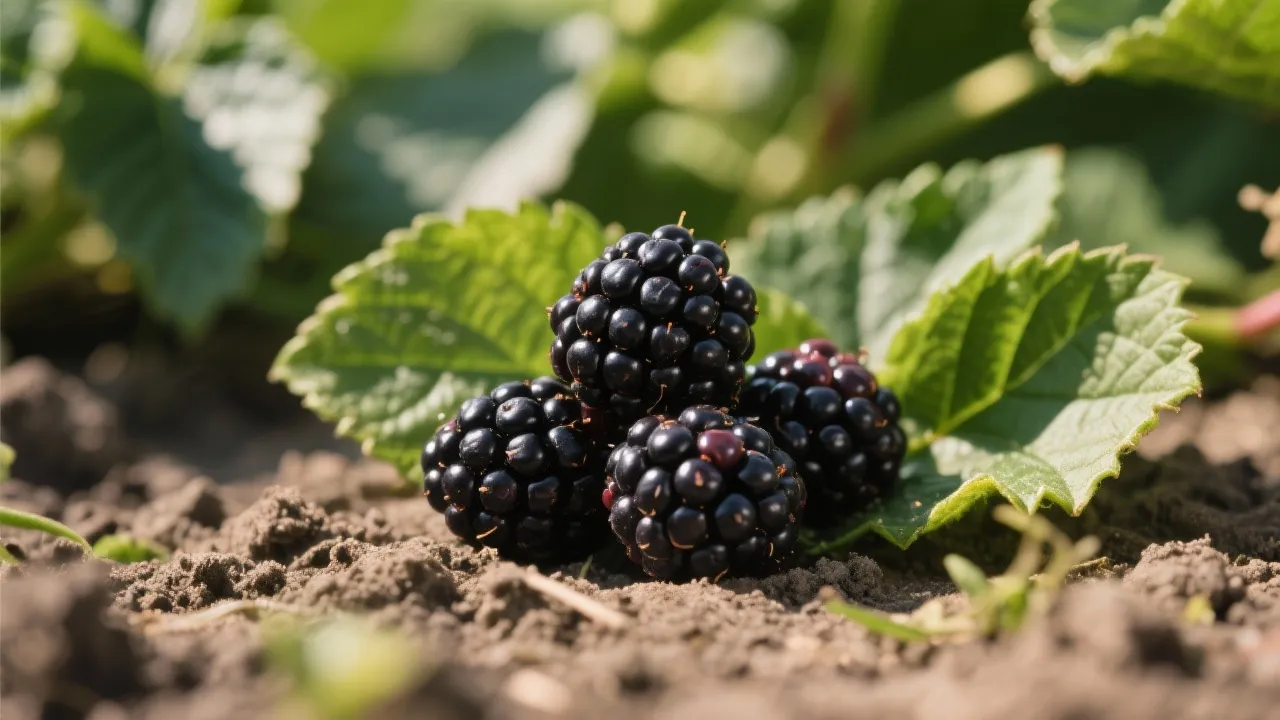
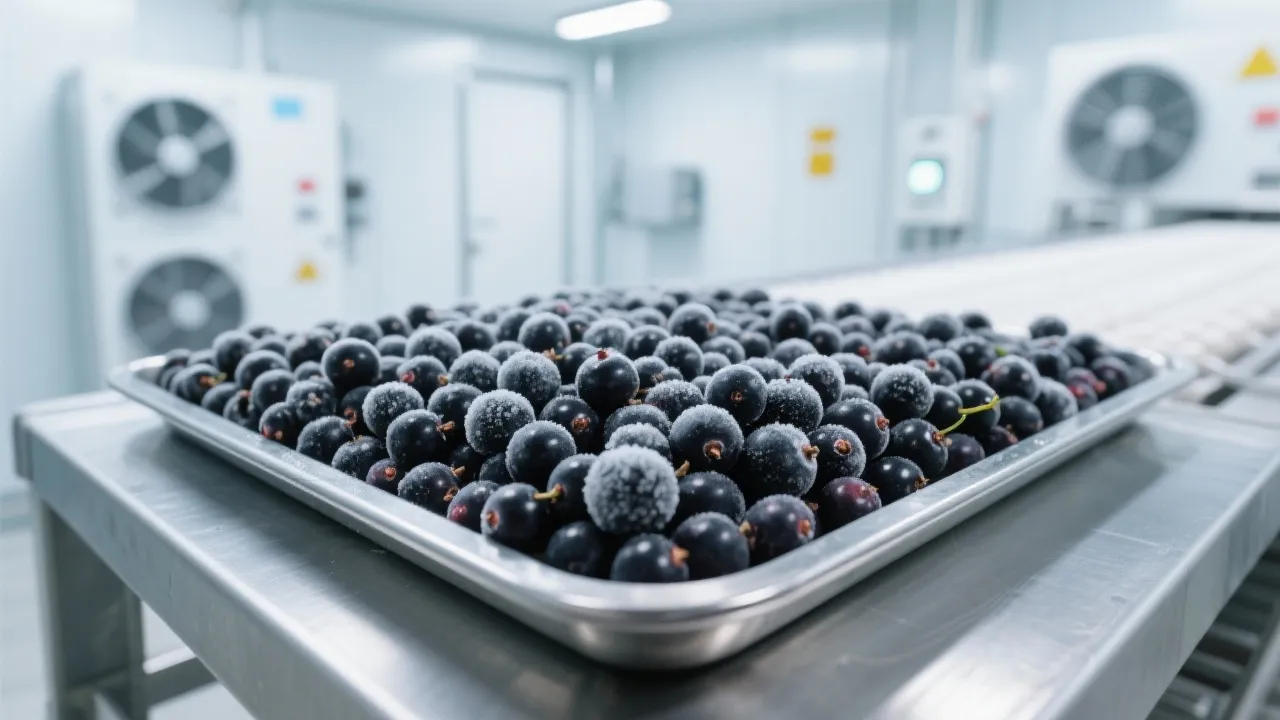
When choosing blackcurrant raw materials, it is crucial to select high - quality ones. Our blackcurrant raw materials have a whole - fruit rate of 95%, are certified by HACCP, and are guaranteed by a full - process cold chain. This ensures the freshness and nutritional value of the raw materials, allowing you to create products with more peace of mind and excellence.
You may be wondering, "What blackcurrant processing problems have you encountered?" Share your experiences in the comments below!
Choose Our Premium Blackcurrant Raw Materials Now!
 475
|
475
|
 freeze dried raspberry powder export
-18c cold chain transport
food grade cold storage logistics
supply chain temperature monitoring
raspberry powder quality assurance
478
|
rapid freezing technology
frozen blackberry preservation
food freezing process
HACCP certification
ISO 22000 standard
220
|
Freeze - dried raspberry powder
Full - process temperature - controlled logistics
Cross - border supply chain management
OEM private label
Supply chain risk control
131
|
rapid freezing technology
frozen blackberry nutrition retention
export-grade frozen berries
blackberry freeze preservation
food supply chain quality control
198
|
organic frozen blackberries
healthy smoothie recipes
nutritional value of frozen fruits
blackberry nutritional components
smoothie making techniques
freeze dried raspberry powder export
-18c cold chain transport
food grade cold storage logistics
supply chain temperature monitoring
raspberry powder quality assurance
478
|
rapid freezing technology
frozen blackberry preservation
food freezing process
HACCP certification
ISO 22000 standard
220
|
Freeze - dried raspberry powder
Full - process temperature - controlled logistics
Cross - border supply chain management
OEM private label
Supply chain risk control
131
|
rapid freezing technology
frozen blackberry nutrition retention
export-grade frozen berries
blackberry freeze preservation
food supply chain quality control
198
|
organic frozen blackberries
healthy smoothie recipes
nutritional value of frozen fruits
blackberry nutritional components
smoothie making techniques




.png?x-oss-process=image/resize,h_100,m_lfit/format,webp)
.png?x-oss-process=image/resize,h_100,m_lfit/format,webp)
.png?x-oss-process=image/resize,h_100,m_lfit/format,webp)
 English


