
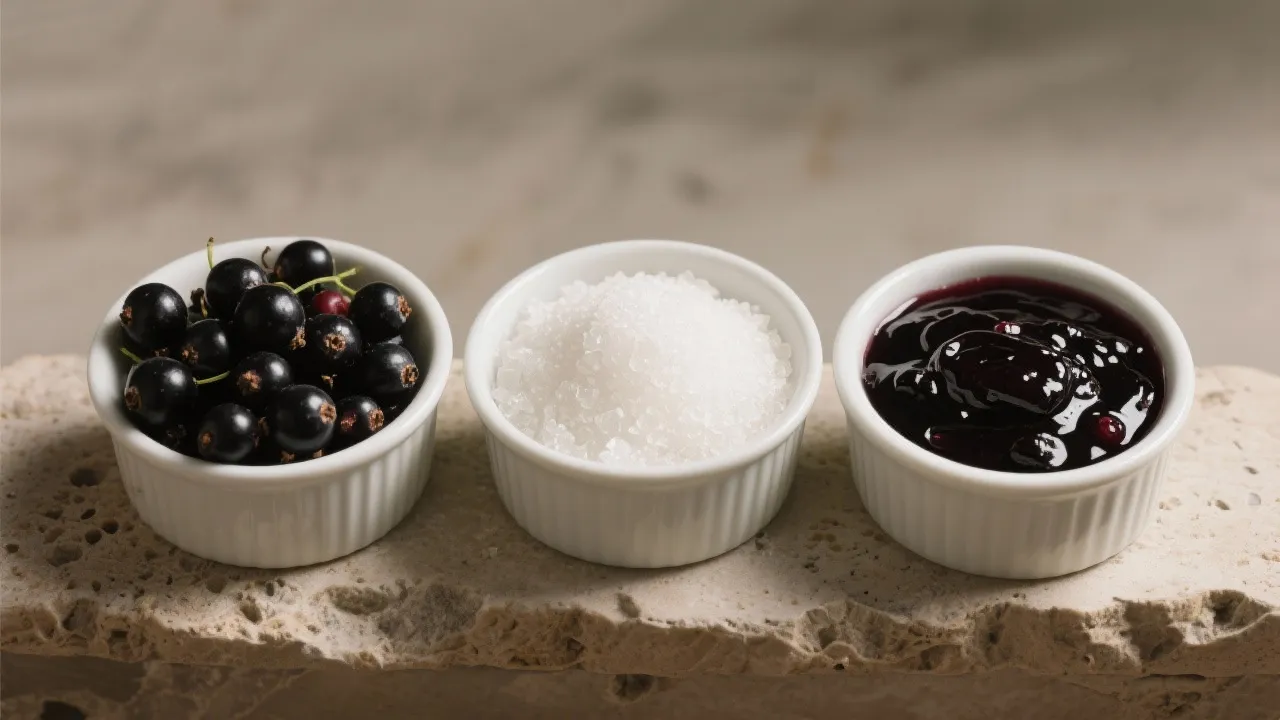
Blackcurrant, prized for its rich anthocyanin content and vibrant color, poses unique challenges during juice and jam production, primarily related to pH management. Achieving consistent color stability and optimal flavor requires a deep understanding of pH adjustment, antioxidant use, sugar modulation, and texture control. This guide distills scientific insights and practical strategies to elevate the quality of blackcurrant-based products while enhancing their market appeal.
The pH level profoundly influences anthocyanin stability — the pigments responsible for blackcurrant’s striking deep purple hue. Ideally, maintaining the juice and jam matrix at a pH range of 3.0 to 3.5 preserves color vibrancy and prevents fading during thermal processing and storage. Deviations outside this window can result in color shifts toward reddish-brown tones and degrade perceived freshness.
Beyond aesthetics, pH adjustments directly impact sensory balance. A stable acidity enhances tartness, harmonizing with natural sweetness to achieve a rounded flavor profile. However, excessive acidification can suppress fruity notes and reduce consumer acceptability. Hence, manufacturers must balance pH carefully, supported by titratable acidity measurements and sensory evaluation panels.
Incorporating antioxidants such as ascorbic acid (vitamin C) and natural plant extracts like rosemary or green tea derivatives can mitigate oxidative degradation during processing. Ascorbic acid at concentrations of 100-200 mg/L effectively scavenges free radicals, preserving anthocyanins and preventing enzymatic browning.
Optimal dosing and timing of antioxidant addition are crucial. Introducing antioxidants early in extraction or blending phases maximizes protective effects without compromising sensory attributes. Coupling antioxidant strategies with controlled pH environments significantly extends shelf life and maintains a fresh, vivid appearance.
Sugars not only contribute sweetness but act as stabilizers affecting viscosity and mouthfeel. Typical sugar-to-juice ratios range from 10% to 25% depending on product type and target market preferences. For jam formulations, higher sugar content aids gel formation via pectin interaction, ensuring appealing spreadability and firmness.
Fine-tuning sugar concentration can suppress excessive acidity, creating a harmonious flavor profile. Using invert sugars or blending with natural sweeteners like erythritol can further modulate sweetness perception and reduce caloric load, appealing to health-conscious consumers.
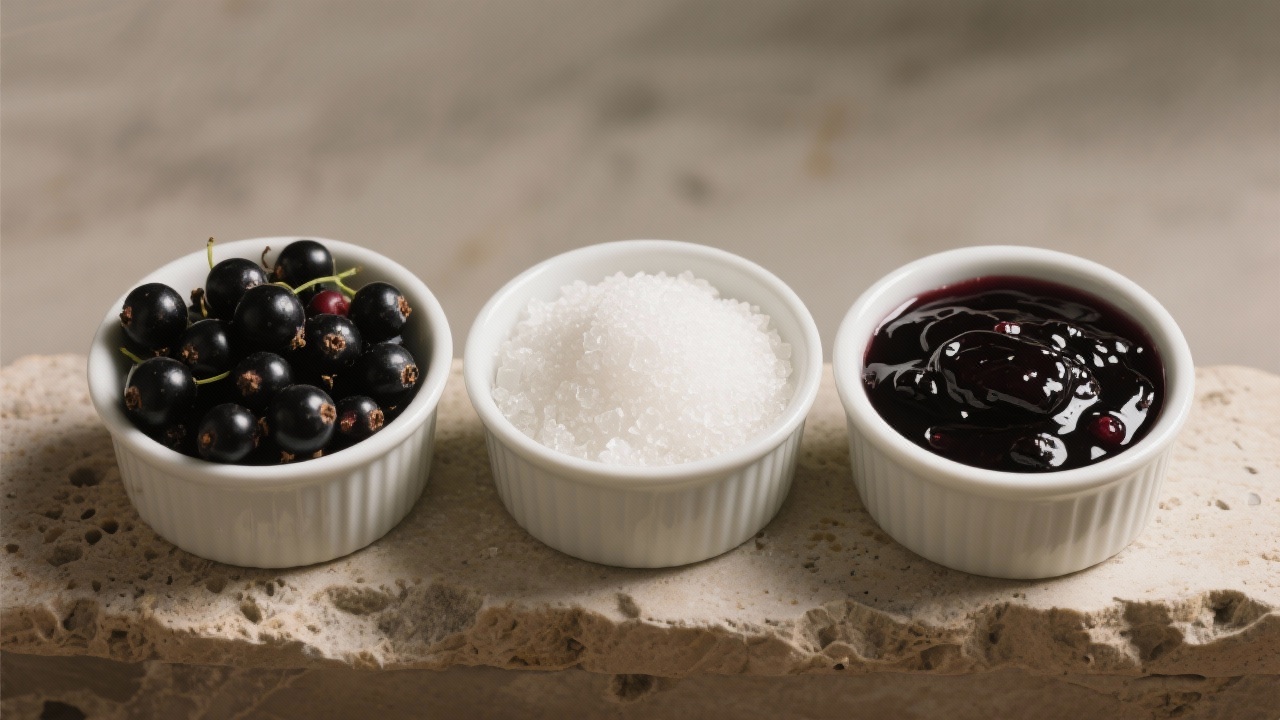
Maintaining consistent texture entails controlling pulp particle size and pectin concentration. Homogenization and enzymatic treatments can reduce sedimentation and improve mouthfeel. For example, pectinase enzymes break down insoluble components, preventing sediment build-up during storage without degrading gel structure.
Implementing continuous agitation during bulk storage combined with low-temperature holding (<4°C) minimizes phase separation. Additionally, incorporating stabilizers such as calcium ions can enhance gel network formation, improving product stability and consumer appeal.
One industrial producer reported improving blackcurrant juice color retention by adjusting pH from 2.8 to 3.3, adding 150 mg/L ascorbic acid pre-clarification, and optimizing sugar content to 18%, achieving a 25% increase in shelf life and 15% better consumer liking scores in tasting panels.
Below is a summary of key processing parameters recommended for blackcurrant product optimization:
| Parameter | Recommended Range | Notes |
|---|---|---|
| pH Level | 3.0 – 3.5 | Maintain for color and flavor stability |
| Ascorbic Acid | 100 – 200 mg/L | Added early in process |
| Sugar Content | 10% – 25% | Depends on product type and target taste |
| Storage Temp | <4°C | To minimize sedimentation |
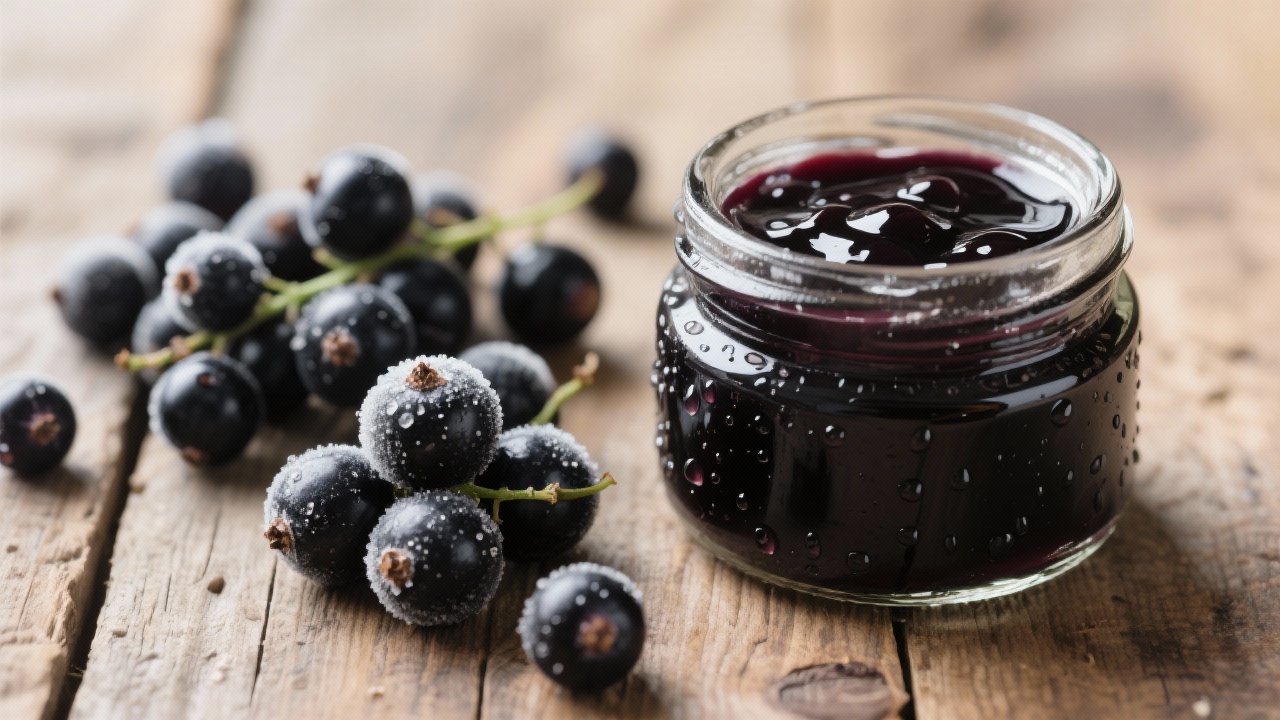
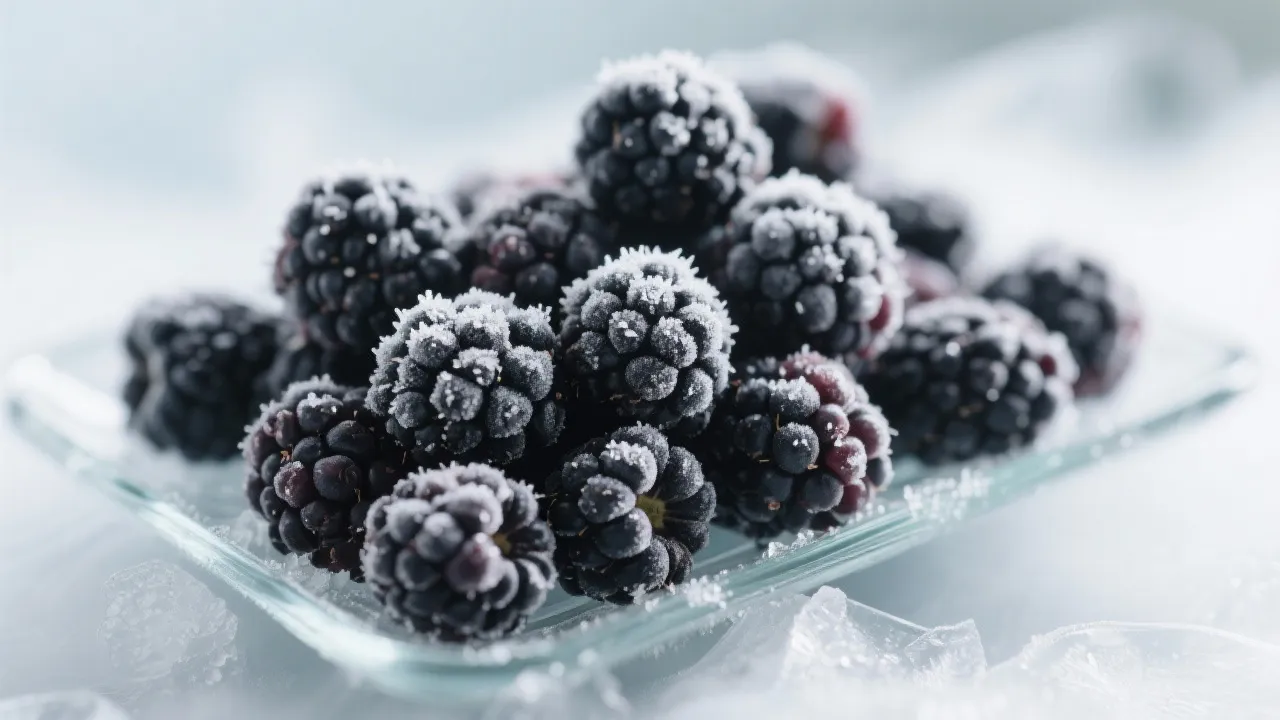
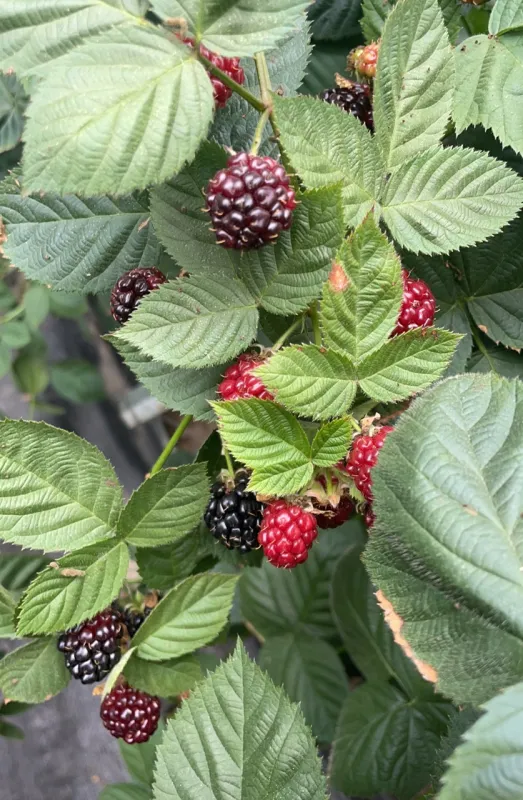
Using raw materials that meet stringent import and safety standards is crucial for international market penetration. Our supply chain offers frozen blackcurrants certified under HACCP and compliant with EU regulations, ensuring product safety, traceability, and premium quality.
Leveraging these high-grade raw ingredients aids manufacturers in guaranteeing consistent end-product quality while simplifying regulatory approvals in competitive export markets.
We invite food science professionals and product developers to share their experiences regarding pH management and antioxidant application in blackcurrant processing. Have you encountered unique challenges or innovative solutions? Your insights could inspire community-wide innovation.

 317
|
317
|
 frozen blackberry export
rapid freezing technology
EU food safety regulations
US FDA compliance
HACCP certification
390
|
frozen blackberry export
halal certification for food
haccp iso 22000 compliance
organic frozen fruit
clean label food certification
36
|
Frozen blackberry packaging solutions
Healthy ingredient packaging innovation
Customized services for frozen fruits and vegetables
Organic frozen fruit packaging design
Packaging as brand
459
|
Flash - freezing technology
Frozen blackberry preservation
Food freezing process
HACCP certification
ISO 22000 food safety
39
|
Frozen blackcurrant EU standards
HACCP certification supply chain
Frozen fruit quality control
European market food safety
Blackcurrant custom packaging
frozen blackberry export
rapid freezing technology
EU food safety regulations
US FDA compliance
HACCP certification
390
|
frozen blackberry export
halal certification for food
haccp iso 22000 compliance
organic frozen fruit
clean label food certification
36
|
Frozen blackberry packaging solutions
Healthy ingredient packaging innovation
Customized services for frozen fruits and vegetables
Organic frozen fruit packaging design
Packaging as brand
459
|
Flash - freezing technology
Frozen blackberry preservation
Food freezing process
HACCP certification
ISO 22000 food safety
39
|
Frozen blackcurrant EU standards
HACCP certification supply chain
Frozen fruit quality control
European market food safety
Blackcurrant custom packaging



.png?x-oss-process=image/resize,h_100,m_lfit/format,webp)
.png?x-oss-process=image/resize,h_100,m_lfit/format,webp)
.png?x-oss-process=image/resize,h_100,m_lfit/format,webp)
 English


