
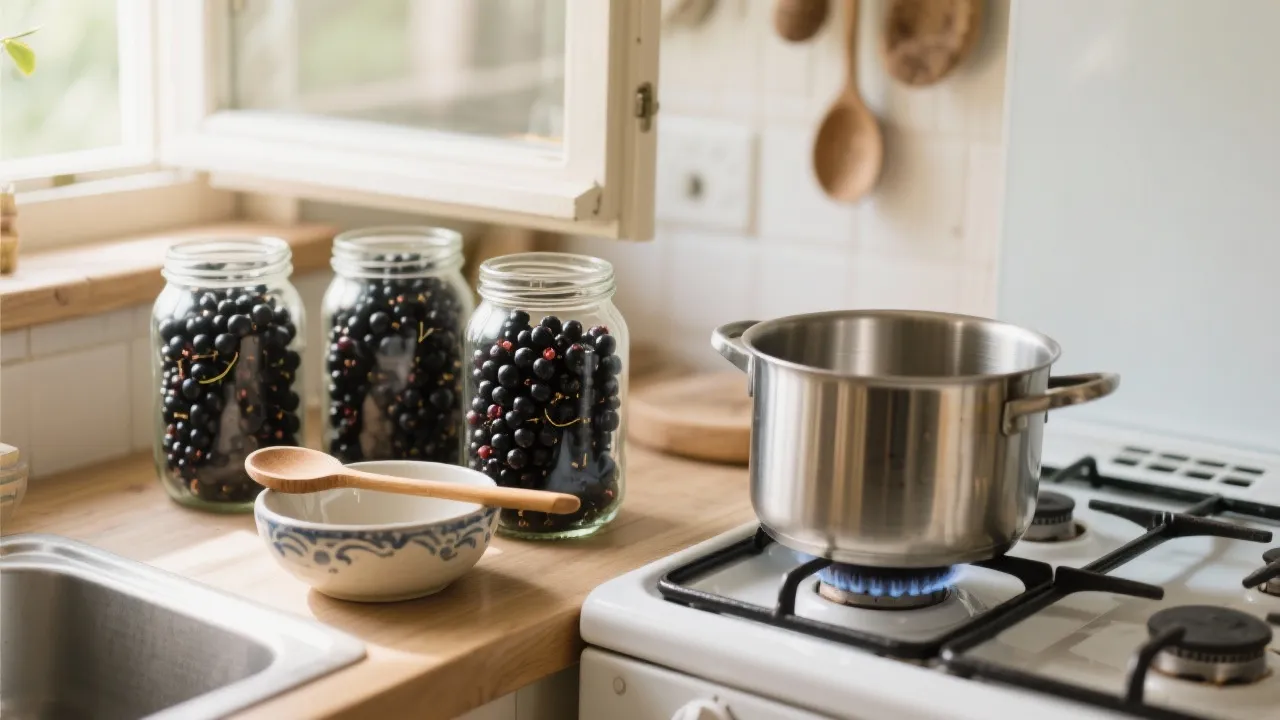
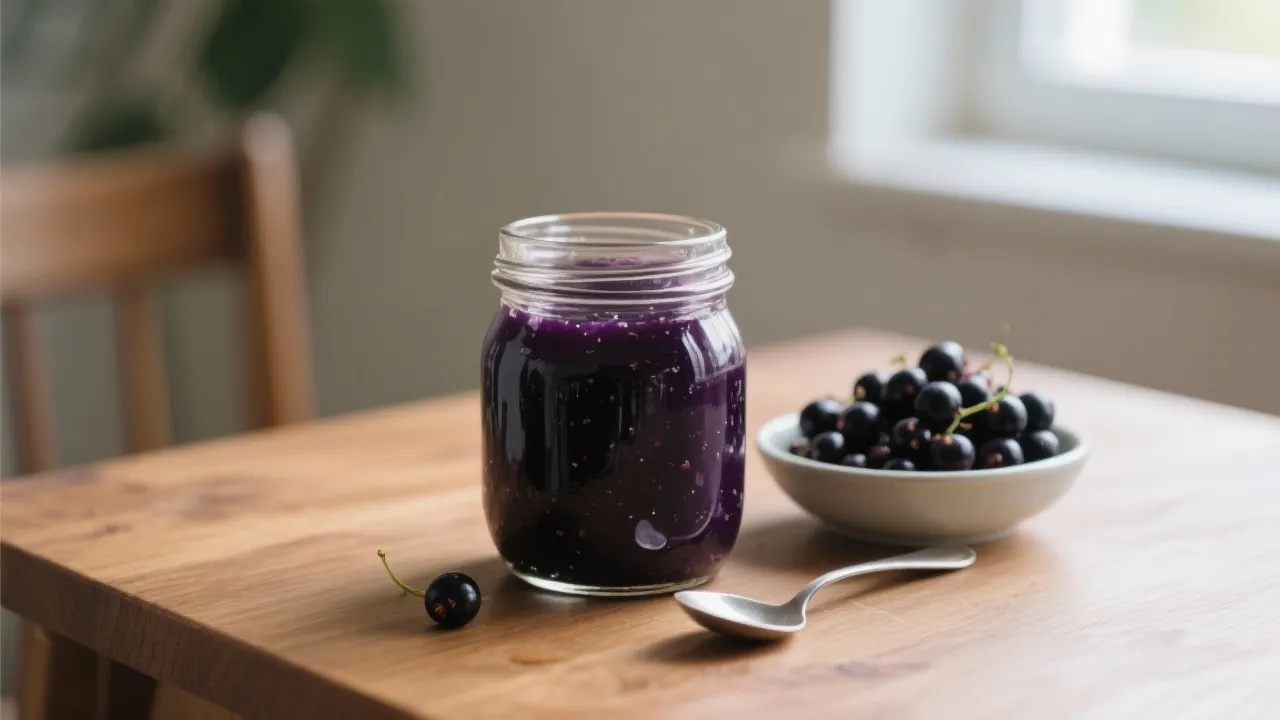
Blackcurrants are rich in anthocyanins and vitamin C, making them an ideal raw material for high - end fruit juices and jams. However, their high acidity and tendency to brown often lead to problems such as unstable color and unbalanced flavor. In this guide, we'll delve into the key challenges and solutions in blackcurrant processing, providing you with practical tips to enhance the color stability and flavor balance of your products.
The high acidity of blackcurrants can cause issues with color stability. Anthocyanins, the pigments responsible for the vibrant color of blackcurrants, are highly sensitive to pH changes. When the pH is not properly regulated, anthocyanins can degrade, leading to a loss of color. Additionally, the high content of polyphenols in blackcurrants makes them prone to oxidation, which can also affect the color and flavor of the final product.
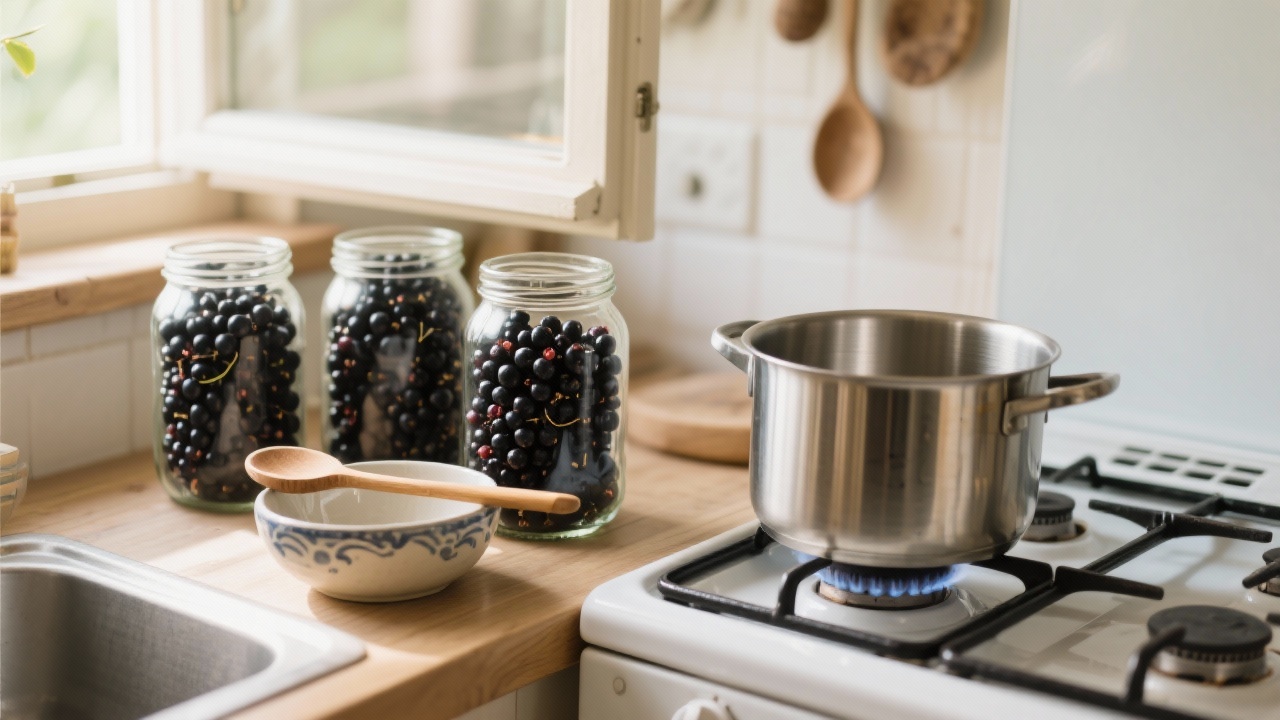
pH plays a crucial role in maintaining the stability of anthocyanins. Generally, a slightly acidic pH (around 3 - 3.5) is optimal for anthocyanin stability. You can adjust the pH of your blackcurrant juice or jam by adding food - grade acids or alkalis. For example, citric acid can be used to lower the pH, while sodium bicarbonate can be used to raise it. Studies have shown that by carefully controlling the pH, you can increase the color stability of blackcurrant products by up to 30%.
Antioxidants are essential for preventing oxidation in blackcurrant products. Common antioxidants used in the food industry include ascorbic acid (vitamin C) and EDTA. Ascorbic acid can react with oxygen to prevent the oxidation of anthocyanins and other polyphenols. EDTA, on the other hand, can chelate metal ions that catalyze oxidation reactions. Adding 0.1 - 0.2% ascorbic acid and 0.05 - 0.1% EDTA to your blackcurrant juice or jam can significantly improve its shelf - life and color stability.
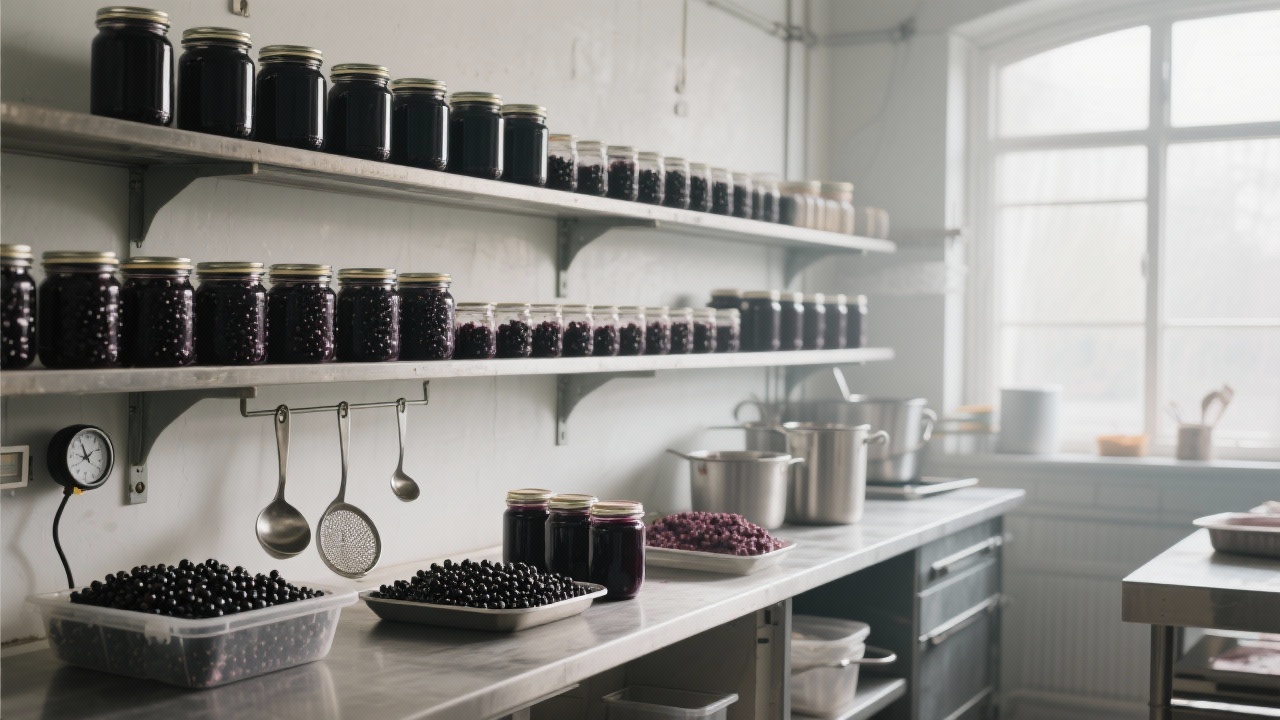
The sugar - acid ratio is a key factor in achieving a balanced flavor in blackcurrant juice and jam. A proper sugar - acid ratio can mask the high acidity of blackcurrants and enhance the overall taste. Generally, a sugar - acid ratio of 10:1 to 12:1 is recommended for blackcurrant products. You can adjust this ratio by adding sugar or reducing the acid content during the processing.
Texture softening and sediment precipitation are common problems in blackcurrant juice and jam processing. Texture softening can be caused by the breakdown of pectin, while sediment precipitation can be due to the aggregation of insoluble particles. To solve these problems, you can add pectinase inhibitors to prevent pectin breakdown and use clarifying agents to remove insoluble particles.
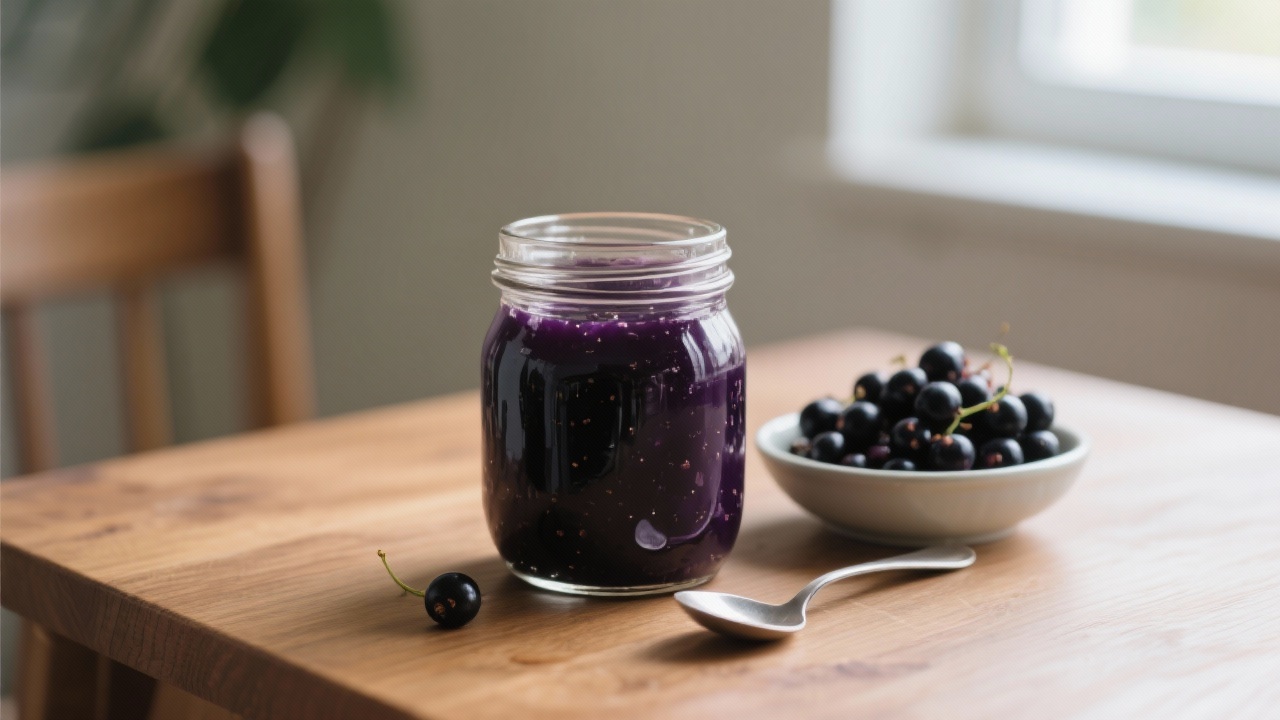
Let's take a look at some real - world examples. A food company in Europe used the above - mentioned techniques to improve the quality of their blackcurrant jam. By adjusting the pH, using antioxidants, and optimizing the sugar - acid ratio, they were able to increase the color stability of their jam by 40% and improve the flavor balance. The company also reduced the sedimentation problem by 50% through proper clarification processes.
Do you have any questions about blackcurrant processing? Feel free to leave your questions in the comments section, and we'll do our best to answer them.
To create the best - quality blackcurrant juice and jam, you need high - quality raw materials. Learn about high - quality blackcurrant raw materials that meet EU standards and take your blackcurrant products to the next level.

 239
|
239
|
 freeze dried raspberry powder supply chain
cold chain logistics for food export
B2B raspberry powder procurement
temperature-controlled shipping
supply chain stability in food exports
207
|
frozen black currant OEM
small batch trial order
frozen fruit packaging requirements
cold chain logistics for berries
food-grade packaging design
367
|
frozen blackcurrants
triple manual sorting
quick-freezing technology
cold chain logistics
food processing quality control
365
|
organic frozen blackberries
nutritious smoothies
smoothie preparation tips
healthy diet
natural ingredient selection
397
|
Freeze - dried raspberry powder
Cold chain transportation standards
-18°C constant temperature
Supply chain management
Temperature - controlled logistics tracking
freeze dried raspberry powder supply chain
cold chain logistics for food export
B2B raspberry powder procurement
temperature-controlled shipping
supply chain stability in food exports
207
|
frozen black currant OEM
small batch trial order
frozen fruit packaging requirements
cold chain logistics for berries
food-grade packaging design
367
|
frozen blackcurrants
triple manual sorting
quick-freezing technology
cold chain logistics
food processing quality control
365
|
organic frozen blackberries
nutritious smoothies
smoothie preparation tips
healthy diet
natural ingredient selection
397
|
Freeze - dried raspberry powder
Cold chain transportation standards
-18°C constant temperature
Supply chain management
Temperature - controlled logistics tracking



.png?x-oss-process=image/resize,h_100,m_lfit/format,webp)
.png?x-oss-process=image/resize,h_100,m_lfit/format,webp)
.png?x-oss-process=image/resize,h_100,m_lfit/format,webp)
 English


