
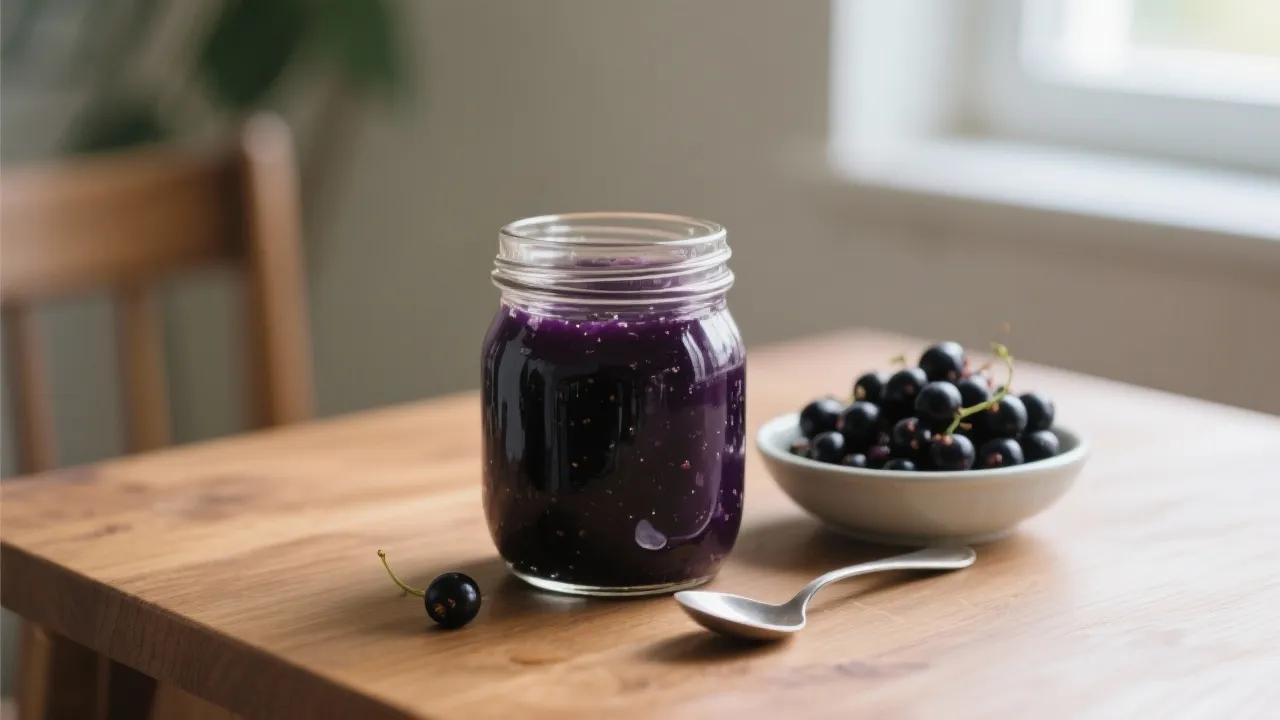
The quality of your blackcurrant-based products begins long before they reach the consumer's table. It starts with how you handle your frozen blackcurrant fruits from the moment they leave the freezer. In the competitive food and beverage industry, where 78% of consumers prioritize natural flavors and nutritional value (Source: Food Industry Report 2023), mastering the art of thawing and temperature control isn't just a good practice—it's your competitive advantage.
Blackcurrants are delicate fruits packed with anthocyanins, vitamin C (up to 181mg per 100g), and unique flavor compounds that can be easily compromised by improper handling. The method you choose for thawing directly affects both the sensory characteristics and nutritional profile of your final product.
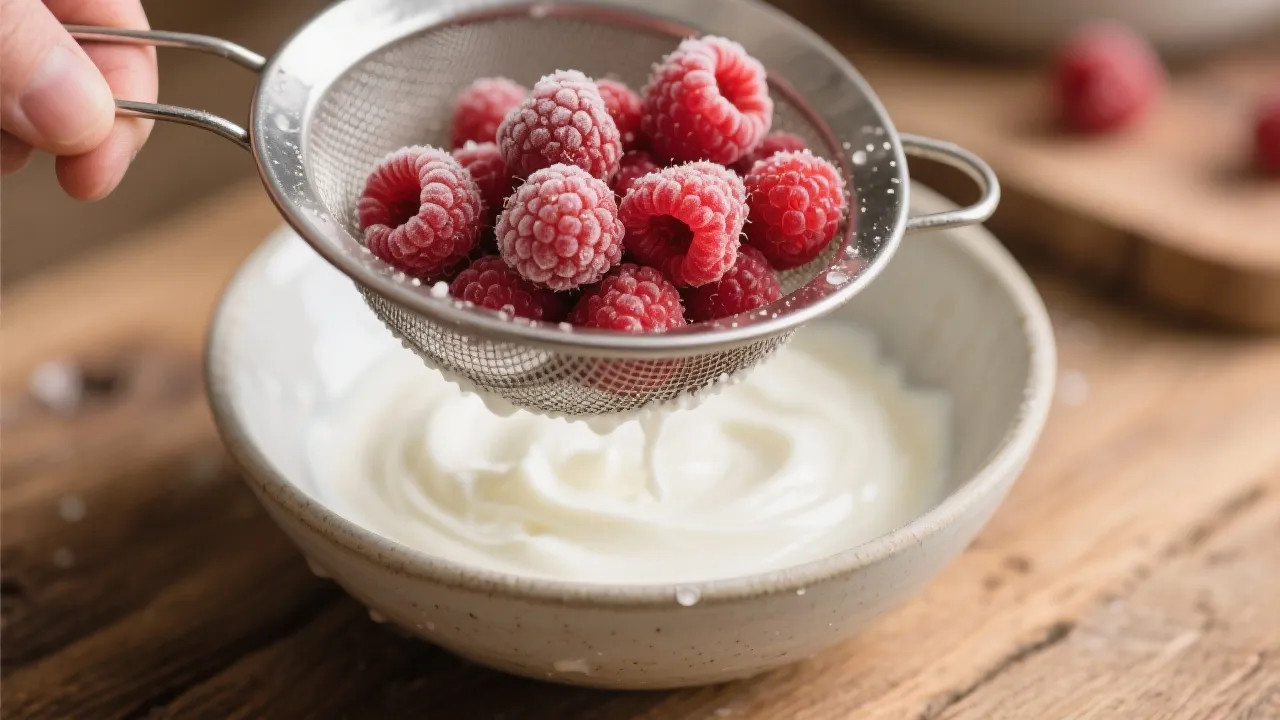
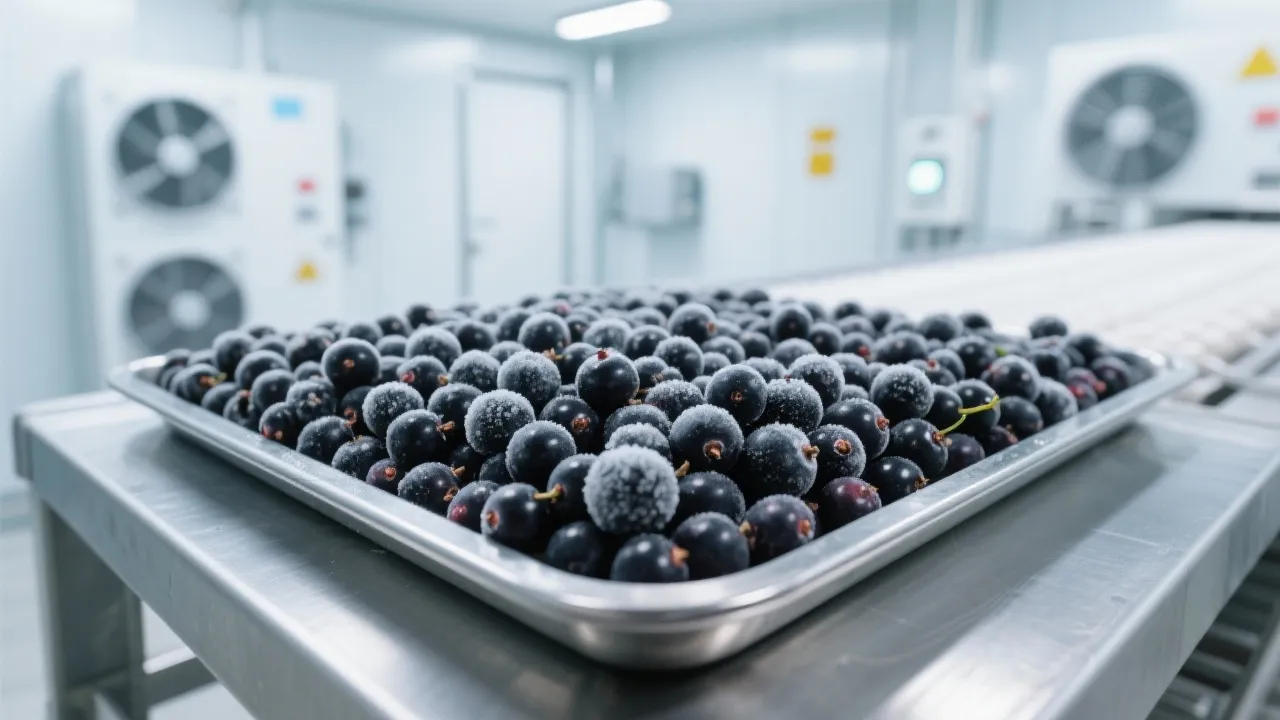
For optimal results, we recommend a controlled refrigeration thawing process at 2-4°C for 6-8 hours, which balances nutrient retention, texture preservation, and microbial safety. This method maintains the fruit's structural integrity, ensuring minimal juice loss during subsequent processing steps.
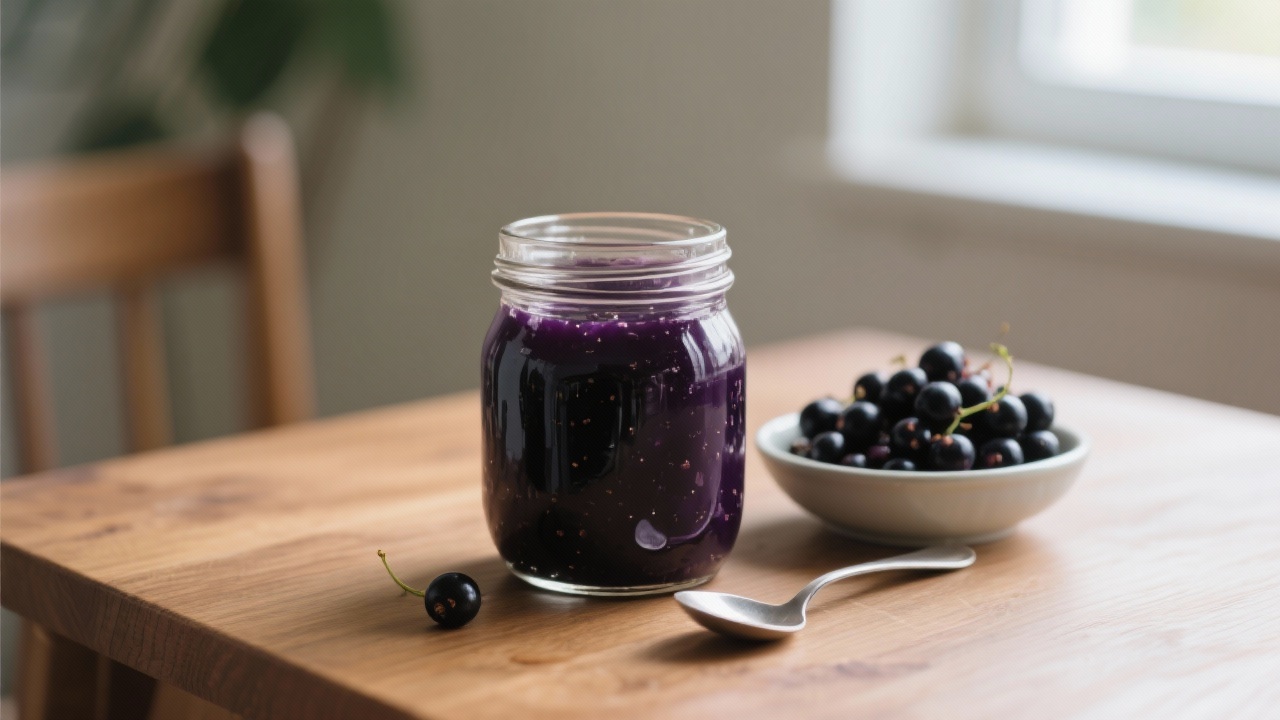
Different blackcurrant products demand specific temperature profiles to maximize their unique qualities. The key is understanding how temperature affects the fruit's pectin structure, flavor compounds, and nutritional content throughout the processing cycle.
| Product Type | Optimal Temperature Range | Processing Time | Quality Focus |
|---|---|---|---|
| Juice Extraction | 45-50°C | 15-20 minutes | Anthocyanin preservation, color stability |
| Jam Production | 85-90°C | 25-30 minutes | Pectin activation, gel formation |
| Frozen Desserts | -12 to -8°C | N/A (continuous process) | Texture maintenance, ice crystal control |
Maintaining these precise temperature ranges can increase your product's shelf life by 30-40% while preserving up to 88% of the original vitamin C content. It's a delicate balance—temperatures 5°C above the recommended range can reduce anthocyanin levels by as much as 40% in juice applications.
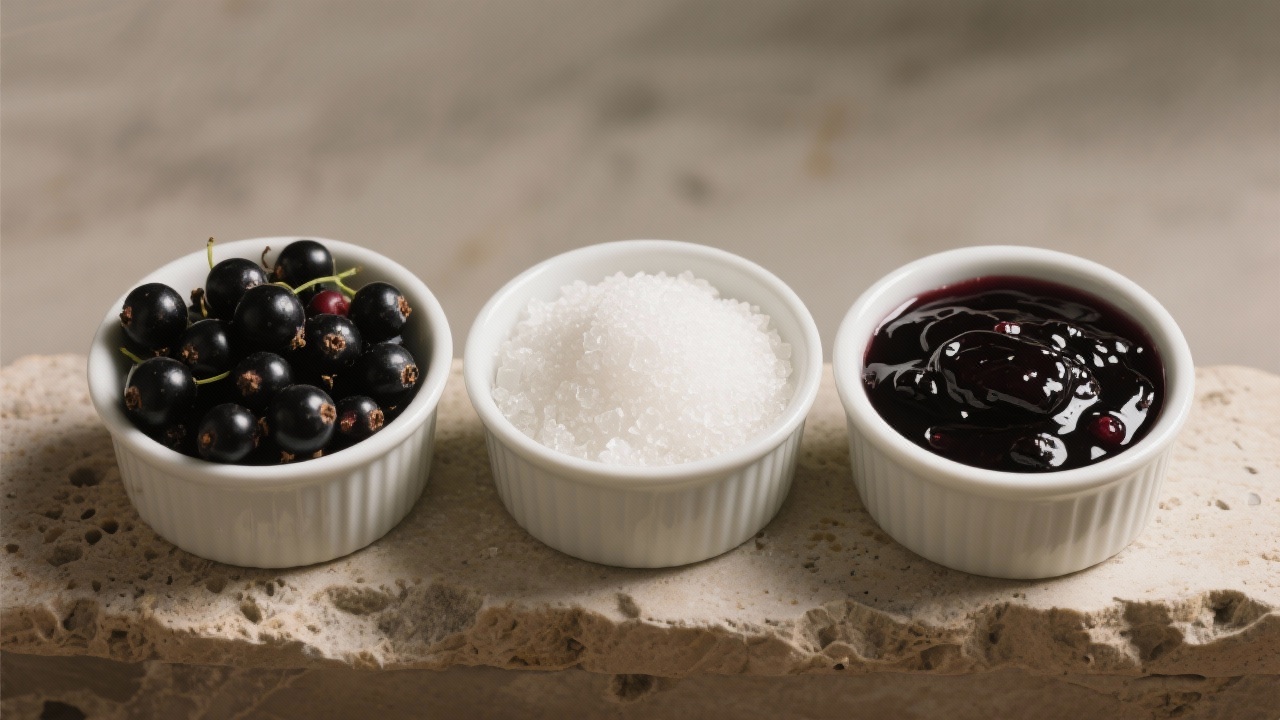
Blackcurrants offer a unique flavor profile—tart, slightly sweet, with distinctive earthy undertones—that pairs exceptionally well with certain ingredients. The right combinations can enhance your product's appeal while masking potential quality issues that might arise from less-than-optimal processing.
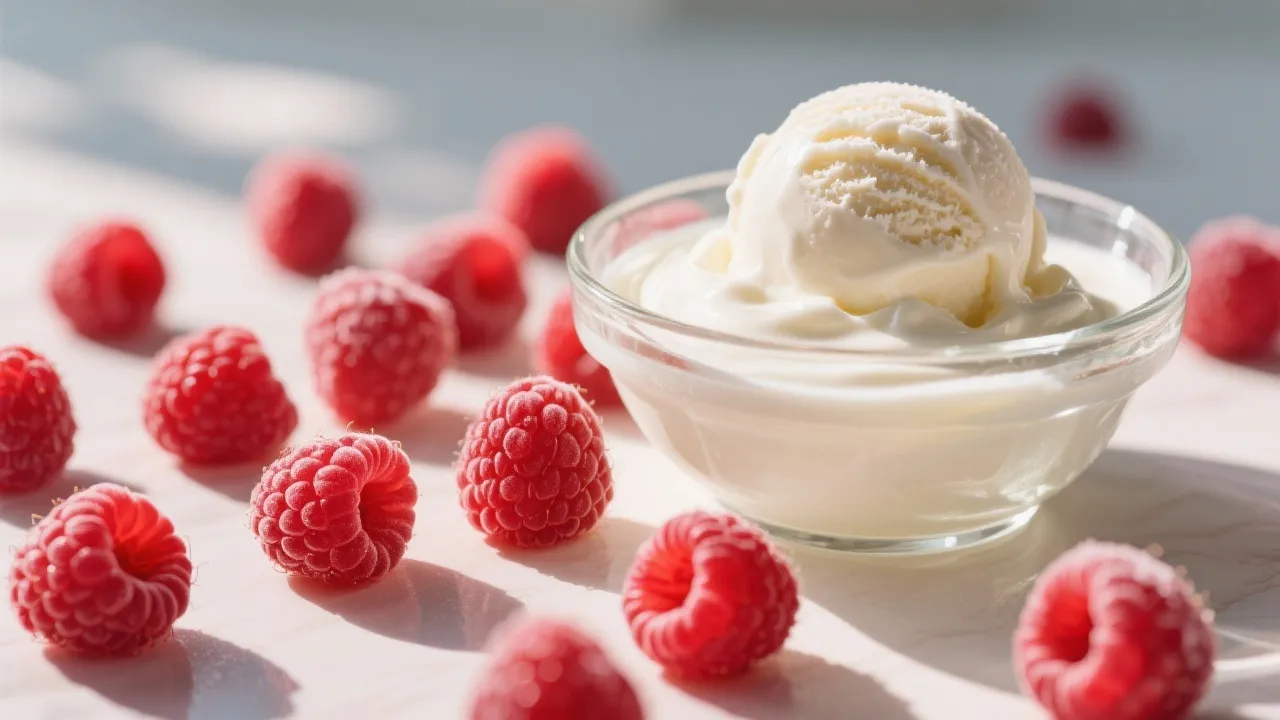
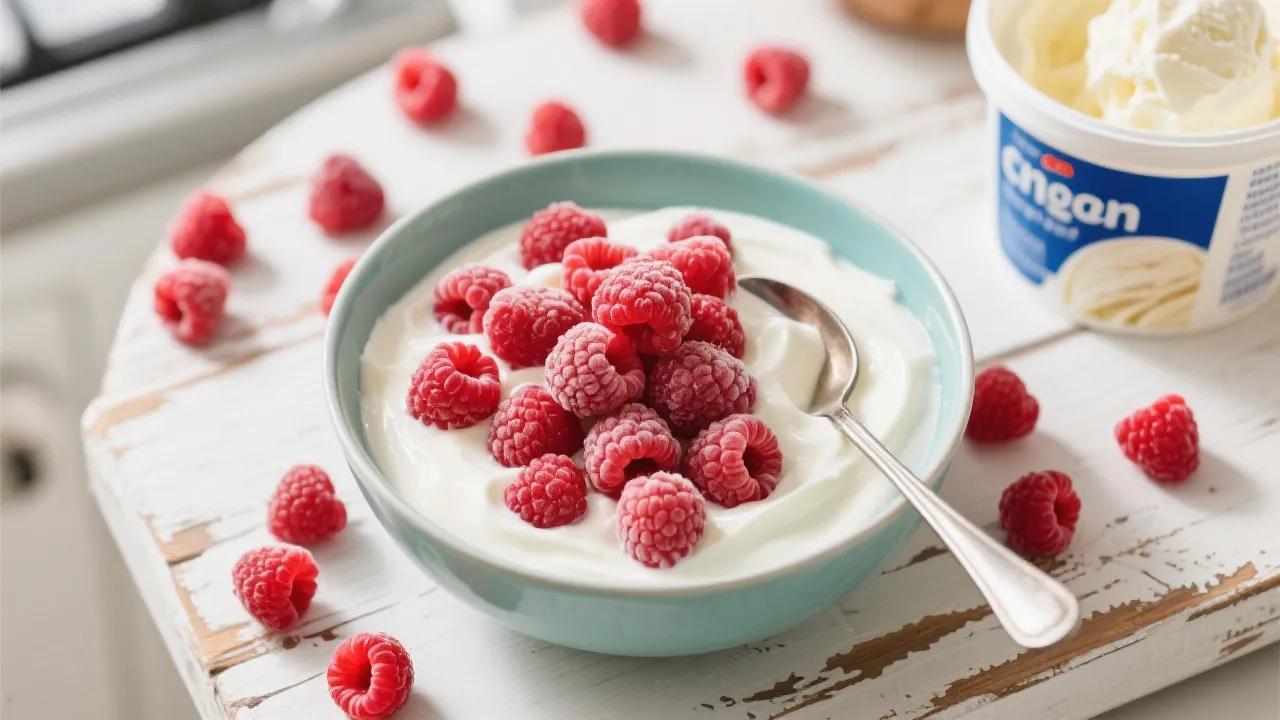
Dairy Products: The fat content in cream or yogurt balances blackcurrant's tartness while creating a smooth mouthfeel. Ideal for desserts and smoothies.
Apples and Pears: These fruits provide natural sugars and pectin that enhance blackcurrant jam's texture and sweetness with minimal added sugar.
Honey and Maple Syrup: Natural sweeteners complement blackcurrant's flavor profile without overwhelming its distinctive character.
Herbs (Mint, Rosemary): Fresh herbs add complexity to blackcurrant beverages, creating premium, artisanal products.
When developing your formulations, consider that blackcurrants have a natural pH of 2.8-3.2, which can affect other ingredients. Dairy products, for example, may curdle if not properly stabilized, requiring pH adjustment or the addition of stabilizers when creating smoothies or yogurt blends.
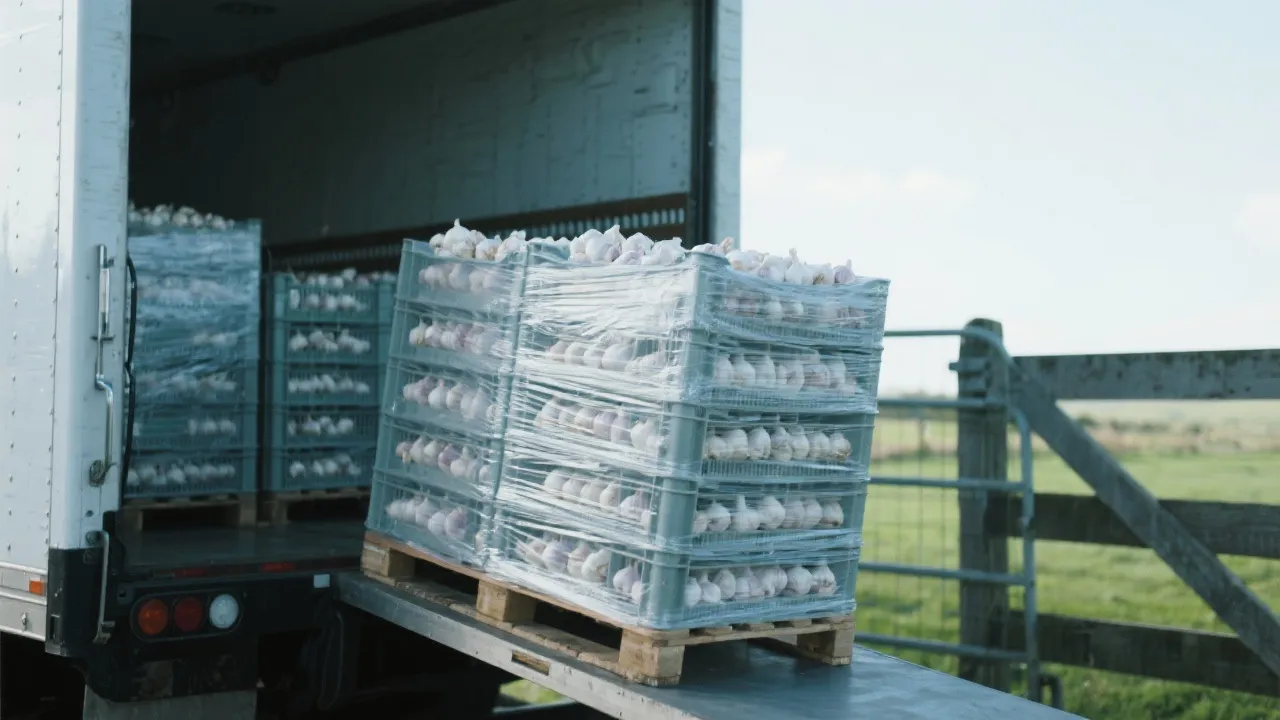
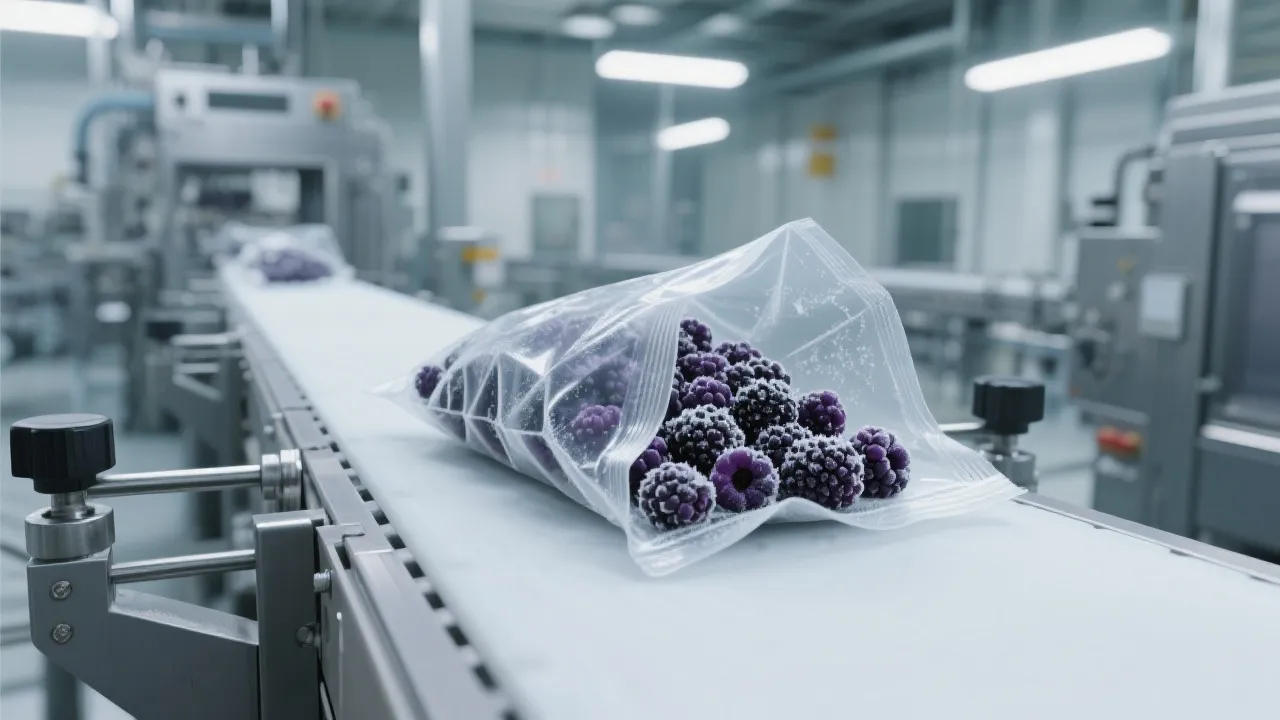
Even with perfect thawing and processing, your product quality can be compromised by inadequate packaging or poor cold chain management. The journey from frozen storage to processing requires careful attention to maintain product integrity.
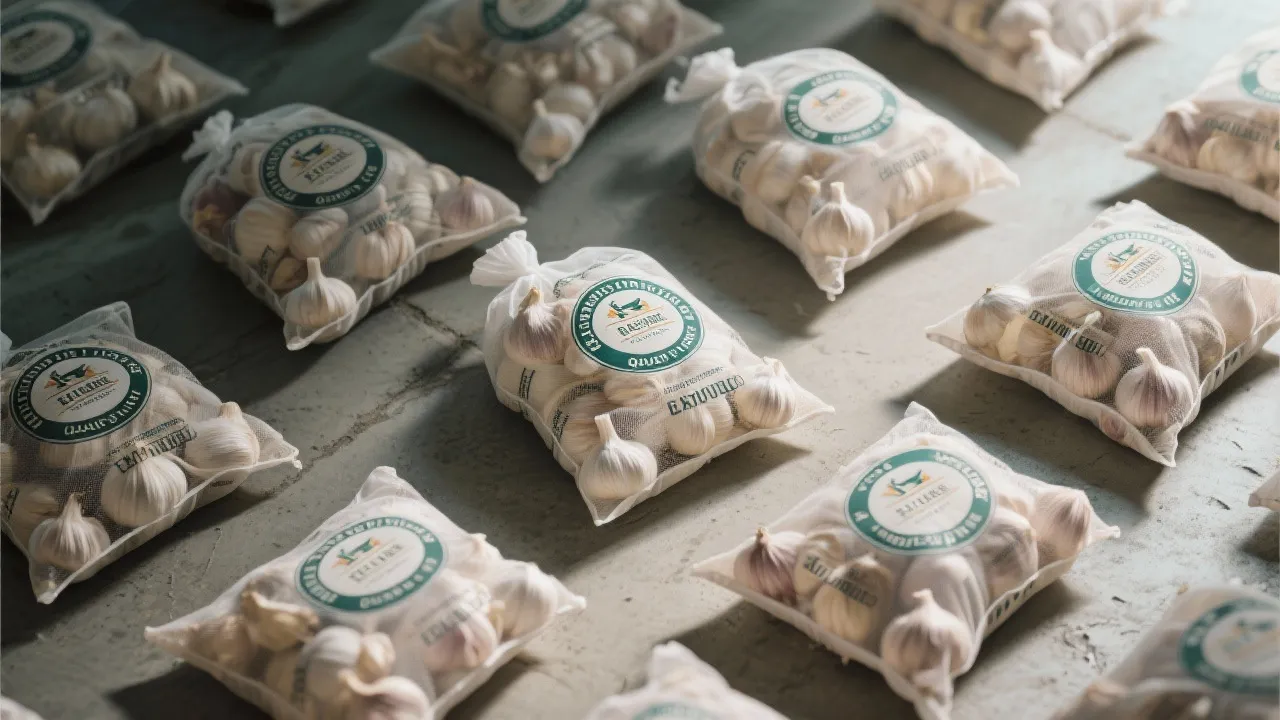
We recommend using food-grade polyethylene bags with oxygen barrier properties, available in 5kg, 10kg, and 20kg sizes to accommodate different production scales. For small-batch trials, 1kg sample packs allow for recipe testing without committing to large quantities.
— Technical Director, European Fruit Processing Company
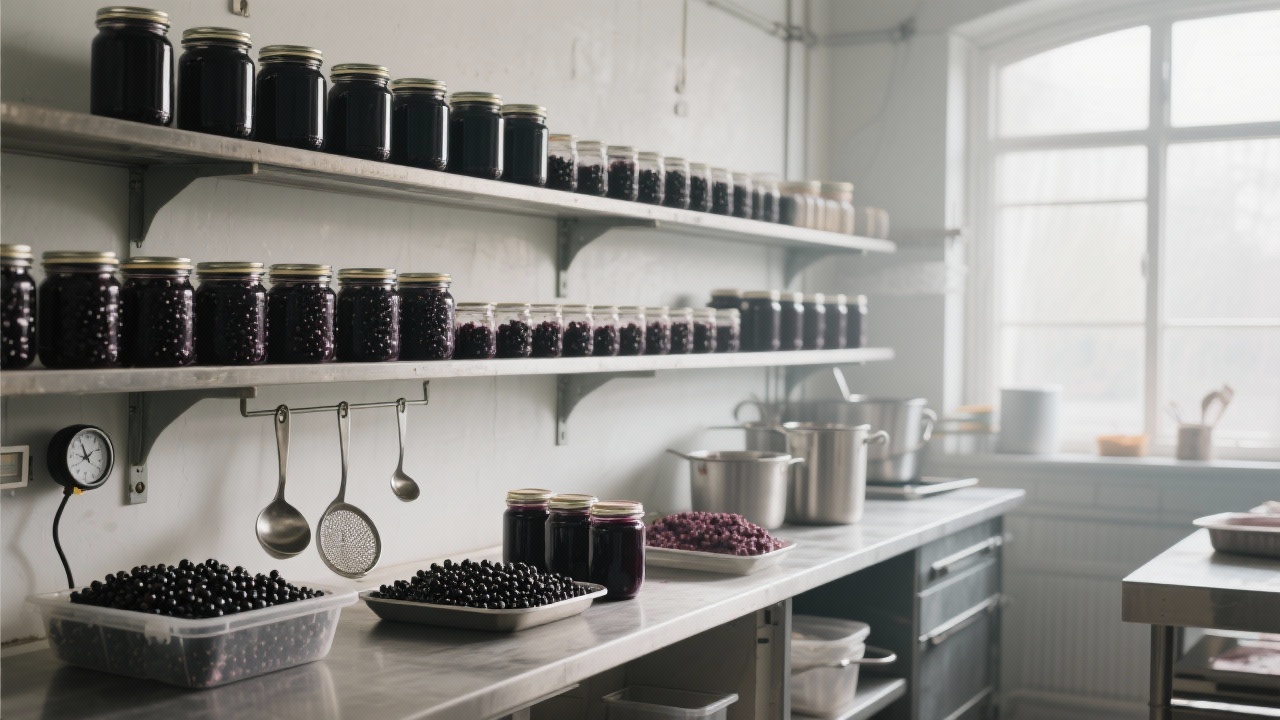
This European processor faced challenges with inconsistent color and flavor in their blackcurrant juice line, resulting in 18-22% product rejection rates. By implementing controlled thawing at 3°C for 7 hours followed by a precise heating curve (45°C for 18 minutes), they achieved:
Your processing场景是否遇到类似问题? Whether you're struggling with color consistency, nutrient retention, or texture issues in your blackcurrant products, the solution often lies in mastering these fundamental temperature control and handling techniques.
Access consistent, high-quality frozen blackcurrants with full traceability and HACCP certification
了解更多黑醋栗冻果高品质供应详情Remember, in the food processing industry, the difference between a good product and an exceptional one often comes down to the details. Mastering blackcurrant thawing and temperature control isn't just about following a procedure—it's about understanding how each variable affects the final product and using that knowledge to create offerings that stand out in a crowded market. With the right techniques and premium raw materials, you can consistently deliver products that delight consumers and drive business growth.

 458
|
458
|
 frozen black currants
quick-freezing technology
food processing applications
cold chain logistics
nutrient retention rate
48
|
organic frozen blackberries
frozen blackberry supply chain
high - quality frozen fruits
food safety certification
customized packaging service
239
|
cryogenic freezing technology
frozen blackberries freshness
cellular damage comparison
food safety certification
blackberry nutrient retention
129
|
custom frozen blackberry packaging
healthy food packaging innovation
frozen fruit packaging solutions
packaging design market competitiveness
sustainable packaging in frozen produce
443
|
Small - batch trial orders
OEM private label customization
Frozen fruit packaging solutions
Flexible procurement of food supply chain
Frozen blackcurrant packaging requirements
frozen black currants
quick-freezing technology
food processing applications
cold chain logistics
nutrient retention rate
48
|
organic frozen blackberries
frozen blackberry supply chain
high - quality frozen fruits
food safety certification
customized packaging service
239
|
cryogenic freezing technology
frozen blackberries freshness
cellular damage comparison
food safety certification
blackberry nutrient retention
129
|
custom frozen blackberry packaging
healthy food packaging innovation
frozen fruit packaging solutions
packaging design market competitiveness
sustainable packaging in frozen produce
443
|
Small - batch trial orders
OEM private label customization
Frozen fruit packaging solutions
Flexible procurement of food supply chain
Frozen blackcurrant packaging requirements


.png?x-oss-process=image/resize,h_100,m_lfit/format,webp)
.png?x-oss-process=image/resize,h_100,m_lfit/format,webp)
.png?x-oss-process=image/resize,h_100,m_lfit/format,webp)
 English


