
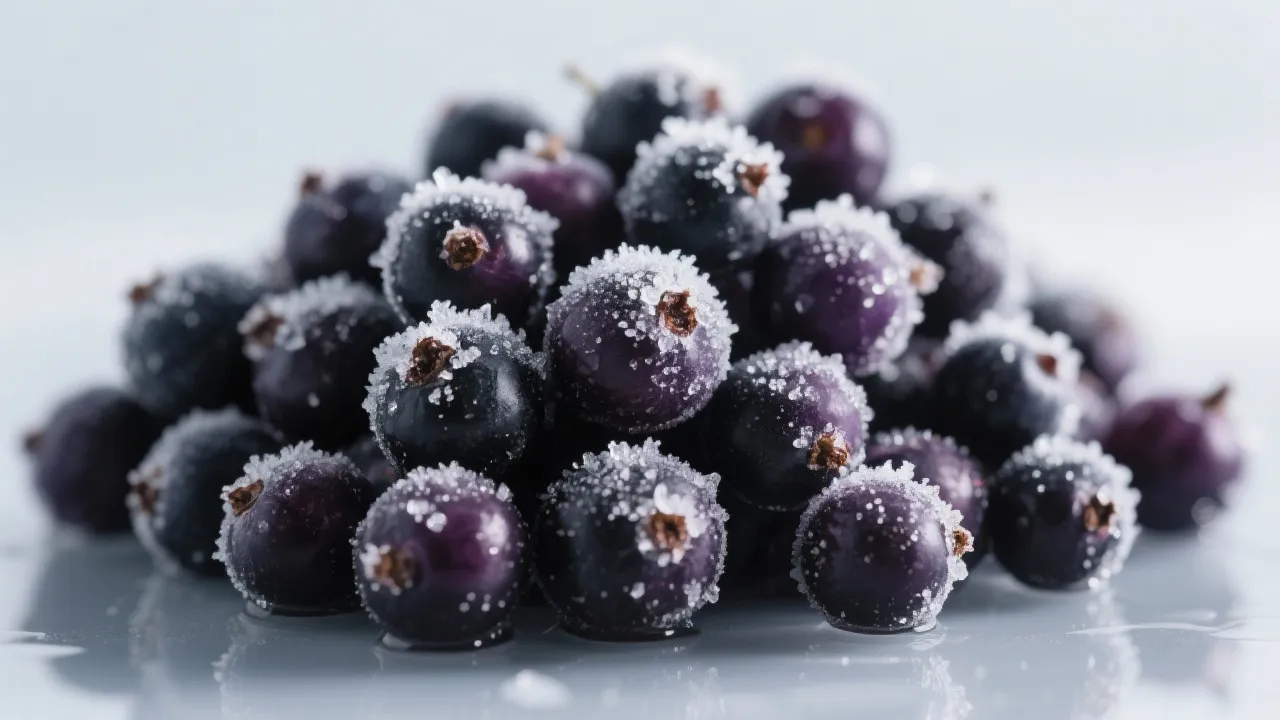
In the competitive landscape of beverage manufacturing, maintaining the authentic taste and nutritional profile of blackcurrants can be the difference between a mediocre product and a market favorite. Recent industry studies show that improper handling of frozen fruits can result in up to 35% loss of natural anthocyanins and a 22% reduction in flavor intensity. This comprehensive guide explores scientifically validated methods to optimize your blackcurrant frozen fruit processing, ensuring your end products meet the highest standards of quality and consumer satisfaction.
Blackcurrants (Ribes nigrum) are renowned for their exceptional nutritional profile, containing approximately 150mg of vitamin C per 100g—three times the amount found in oranges—and a rich array of polyphenolic compounds. These delicate bioactive components are highly susceptible to degradation during processing, making controlled thawing a critical first step in juice production.
Recent research published in the Journal of Food Science and Technology confirms that rapid temperature changes during thawing cause cellular membrane rupture, leading to excessive juice loss and flavor degradation. The key is to maintain a controlled temperature gradient that allows ice crystal melting without damaging the fruit's cellular structure.
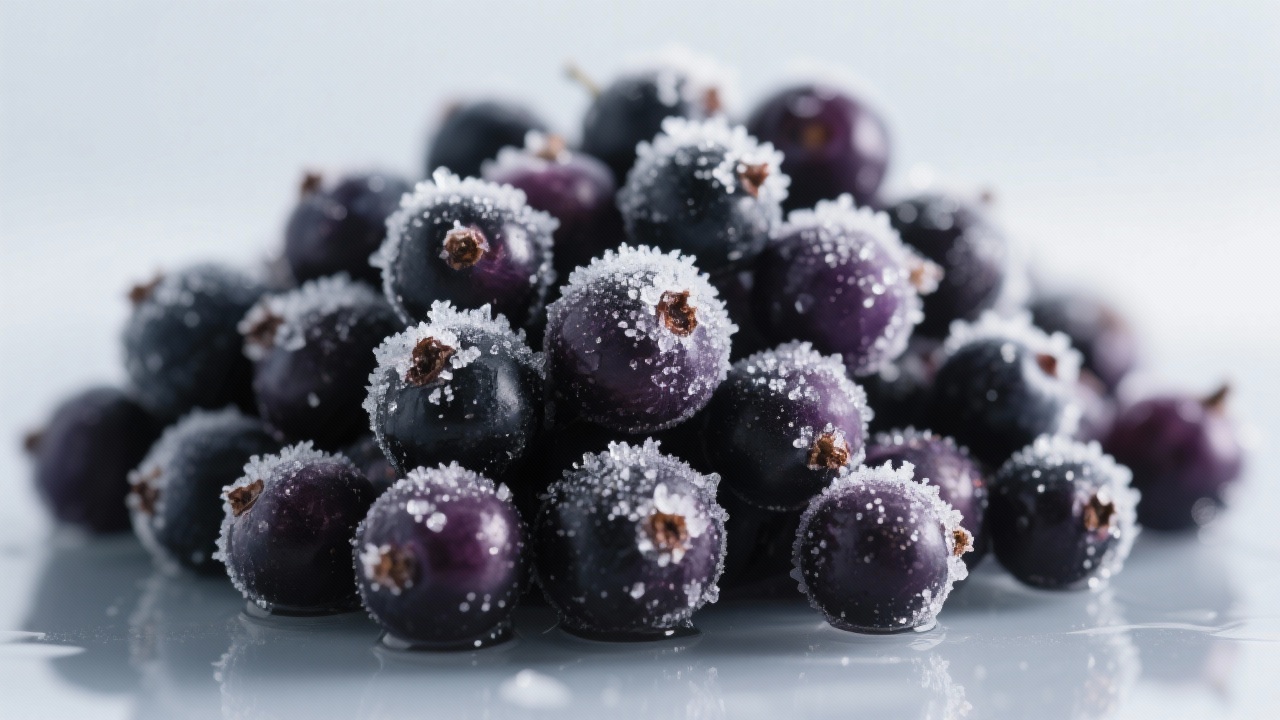
Achieving the perfect balance between extraction efficiency and nutrient preservation requires meticulous control of processing parameters. Our industry data indicates that blackcurrant frozen fruits yield optimal results when processed within specific temperature ranges, depending on the desired end product.
| Product Type | Optimal Temperature Range | Processing Time | Nutrient Retention Rate |
|---|---|---|---|
| Clear Blackcurrant Juice | 65-70°C | 8-10 minutes | 88-90% |
| Blackcurrant Smoothie Base | 45-50°C | 5-7 minutes | 93-95% |
| Blackcurrant Dessert Topping | 55-60°C | 10-12 minutes | 91-93% |
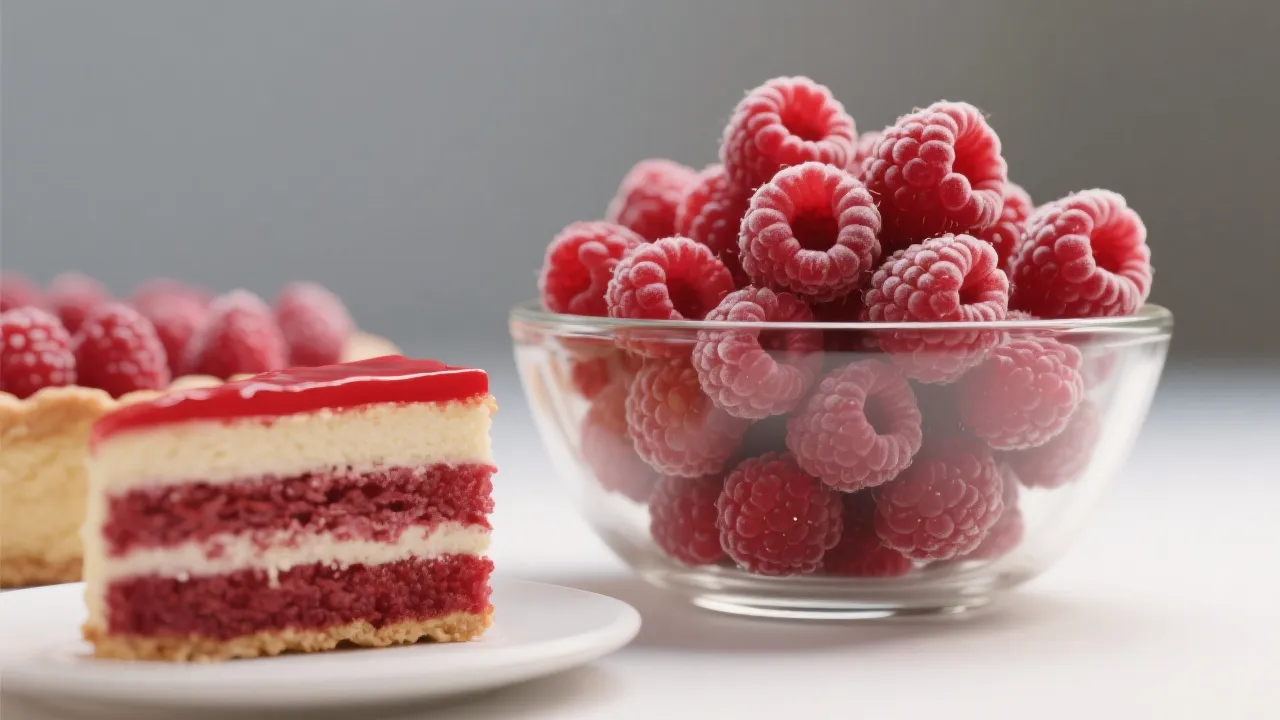
When combining blackcurrants with other fruits, it's essential to consider flavor synergies and processing compatibility. Our technical team has found that pairing blackcurrants with apples (3:1 ratio) creates an optimal balance of sweetness and tartness while reducing overall processing time by approximately 15%. For berry blends, a combination of blackcurrants, raspberries, and blueberries (5:3:2 ratio) has demonstrated exceptional market appeal, with consumer preference scores averaging 8.7/10 in recent taste tests.
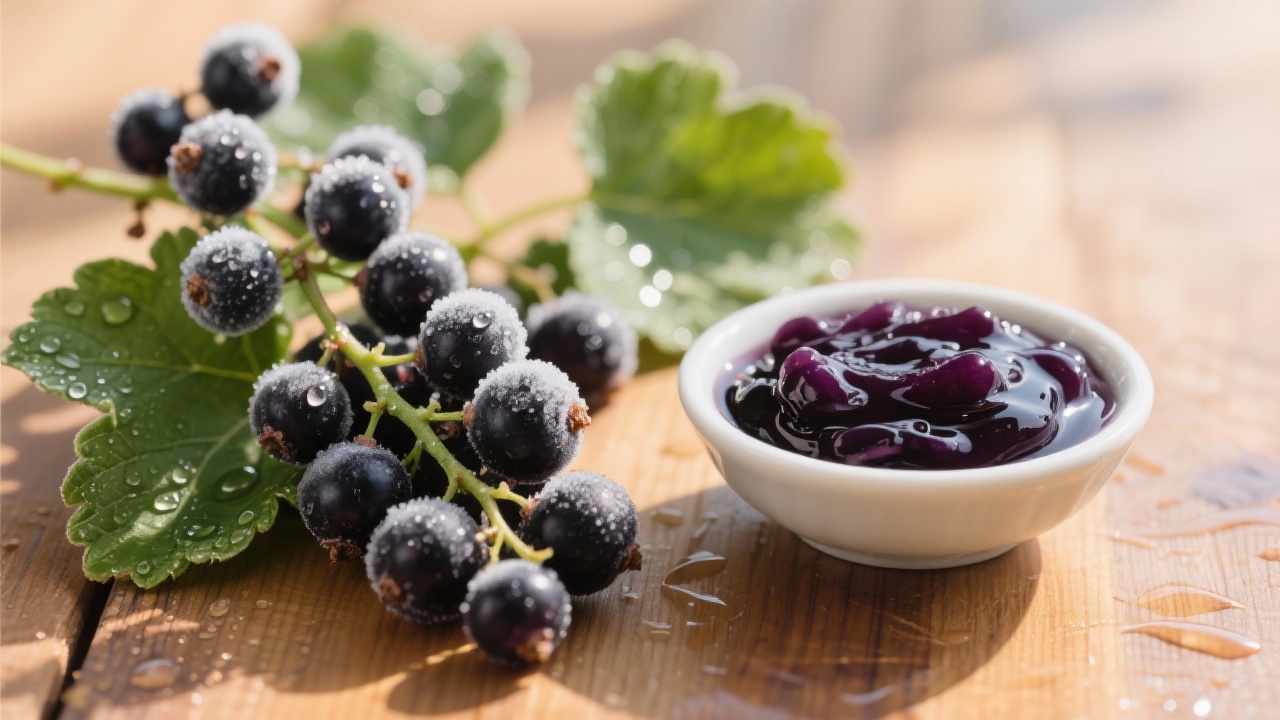
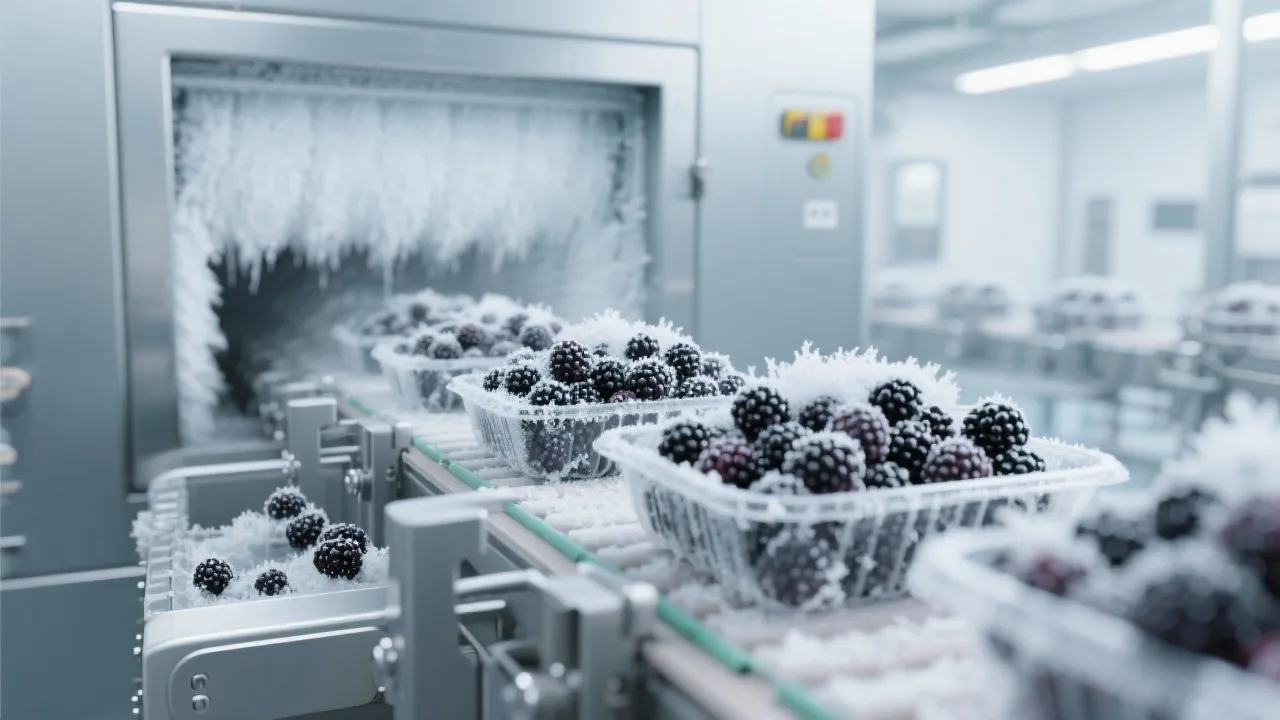
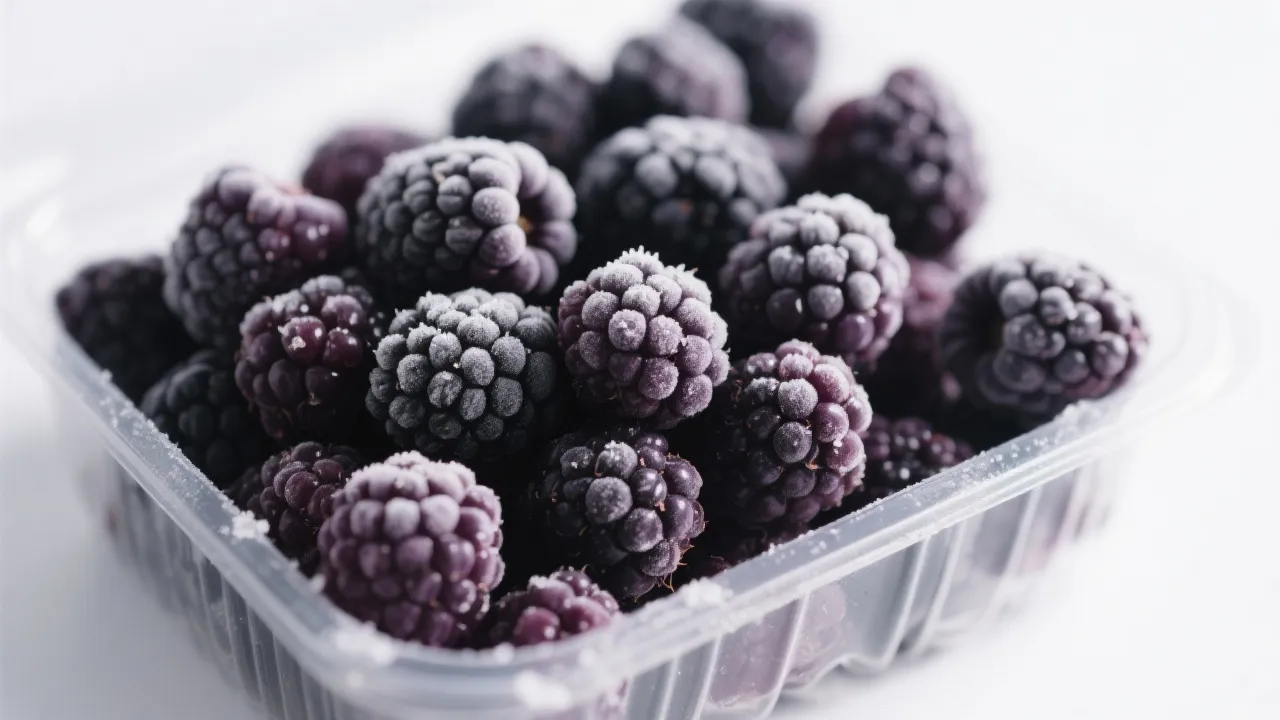
The journey from harvest to processing facility significantly impacts final product quality. Blackcurrants destined for freezing should be harvested at 75-80% ripeness, typically 7-10 days before full maturity, to maximize flavor development during the freezing process. Once harvested, rapid cooling to -18°C within 2 hours of picking is critical, as this halts enzymatic activity and preserves the fruit's natural characteristics.
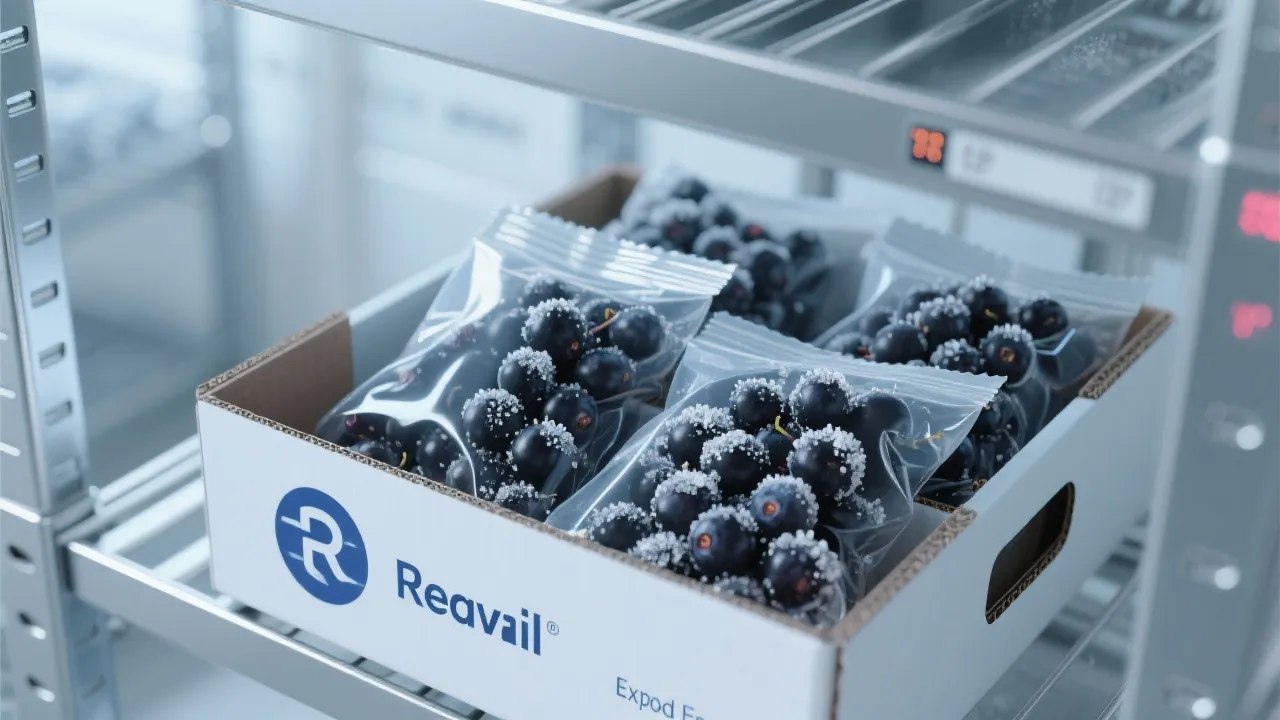
Maintaining a consistent -18°C temperature throughout the supply chain is non-negotiable for quality preservation. Our HACCP-certified process includes:
For businesses looking to test market demand or create specialized product lines, flexible packaging solutions are available. Our research indicates that 2kg and 5kg vacuum-sealed packs reduce product waste by up to 22% compared to traditional packaging methods, while our 10kg bulk options provide optimal efficiency for high-volume production facilities. All packaging materials are BPA-free and fully recyclable, meeting both EU and North American environmental standards.
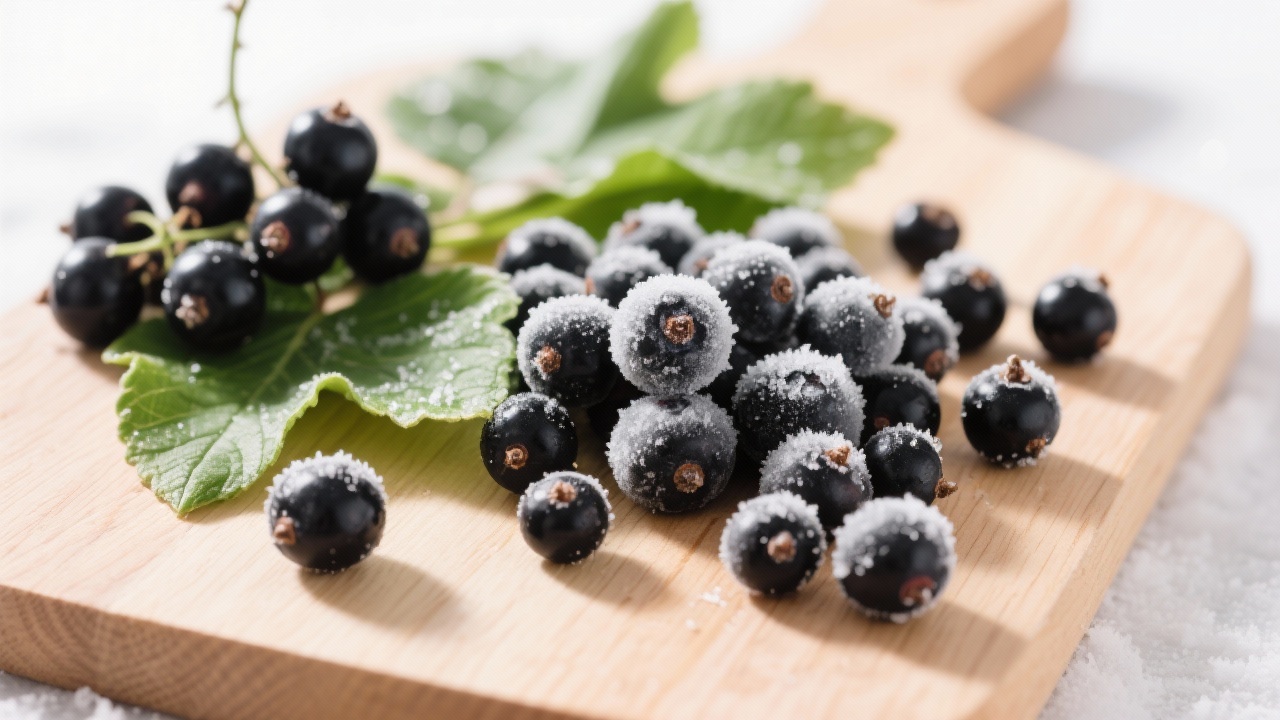
Today's consumers are increasingly conscious of food safety and sourcing practices. Our blackcurrant frozen fruits meet the stringent requirements of EU Regulation (EC) No. 178/2002, with total heavy metal content below 0.01mg/kg and pesticide residues well below maximum allowed levels. Each batch undergoes microbiological testing, with total plate counts consistently below 10^3 CFU/g and yeast/mold counts below 10^2 CFU/g.
For manufacturers targeting premium markets, our organic-certified options provide additional market differentiation. These products meet EU organic standard EC 834/2007 and USDA organic requirements, with complete traceability documentation available for every batch. Recent market analysis shows that organic berry products command a 20-30% price premium in European and North American markets, with consumer demand growing at 12% annually.
Discover how our scientifically processed blackcurrant frozen fruits can enhance your product's flavor profile, nutritional value, and market appeal. With over 15 years of experience supplying to leading beverage manufacturers across Europe and North America, we offer tailored solutions to meet your specific production requirements.
Request Your Technical Sample Pack TodayAs consumer preferences continue to shift toward natural, functional beverages, the quality of your raw materials becomes increasingly important. By implementing the techniques outlined in this guide and partnering with a reliable supplier, you can create products that stand out in a crowded marketplace. The key differentiators—flavor intensity, nutritional content, and consistent quality—are all within your reach when you optimize your blackcurrant frozen fruit processing workflow.
Remember that successful product development is an ongoing process of refinement and adaptation. Regular sensory evaluation, consumer testing, and process optimization will ensure your blackcurrant-based products continue to meet evolving market demands and maintain their competitive edge.

 82
|
82
|
 liquid nitrogen freezing technology
black currant freezing process
nutrient retention in frozen berries
cold chain logistics for fruit
industrial fruit quality control
119
|
frozen blackberries
functional foods
health food trends
antioxidant-rich foods
U.S. and Europe market
129
|
custom frozen blackberry packaging
healthy food packaging innovation
frozen fruit packaging solutions
packaging design market competitiveness
sustainable packaging in frozen produce
430
|
EU import standards
HACCP certification
frozen blackcurrants
supply chain management
detection process standardization
190
|
Frozen berry organic certification
Halal certification
Frozen blackberry quality
Organic Halal dual certification
International market access
liquid nitrogen freezing technology
black currant freezing process
nutrient retention in frozen berries
cold chain logistics for fruit
industrial fruit quality control
119
|
frozen blackberries
functional foods
health food trends
antioxidant-rich foods
U.S. and Europe market
129
|
custom frozen blackberry packaging
healthy food packaging innovation
frozen fruit packaging solutions
packaging design market competitiveness
sustainable packaging in frozen produce
430
|
EU import standards
HACCP certification
frozen blackcurrants
supply chain management
detection process standardization
190
|
Frozen berry organic certification
Halal certification
Frozen blackberry quality
Organic Halal dual certification
International market access



.png?x-oss-process=image/resize,h_100,m_lfit/format,webp)
.png?x-oss-process=image/resize,h_100,m_lfit/format,webp)
.png?x-oss-process=image/resize,h_100,m_lfit/format,webp)
 English


