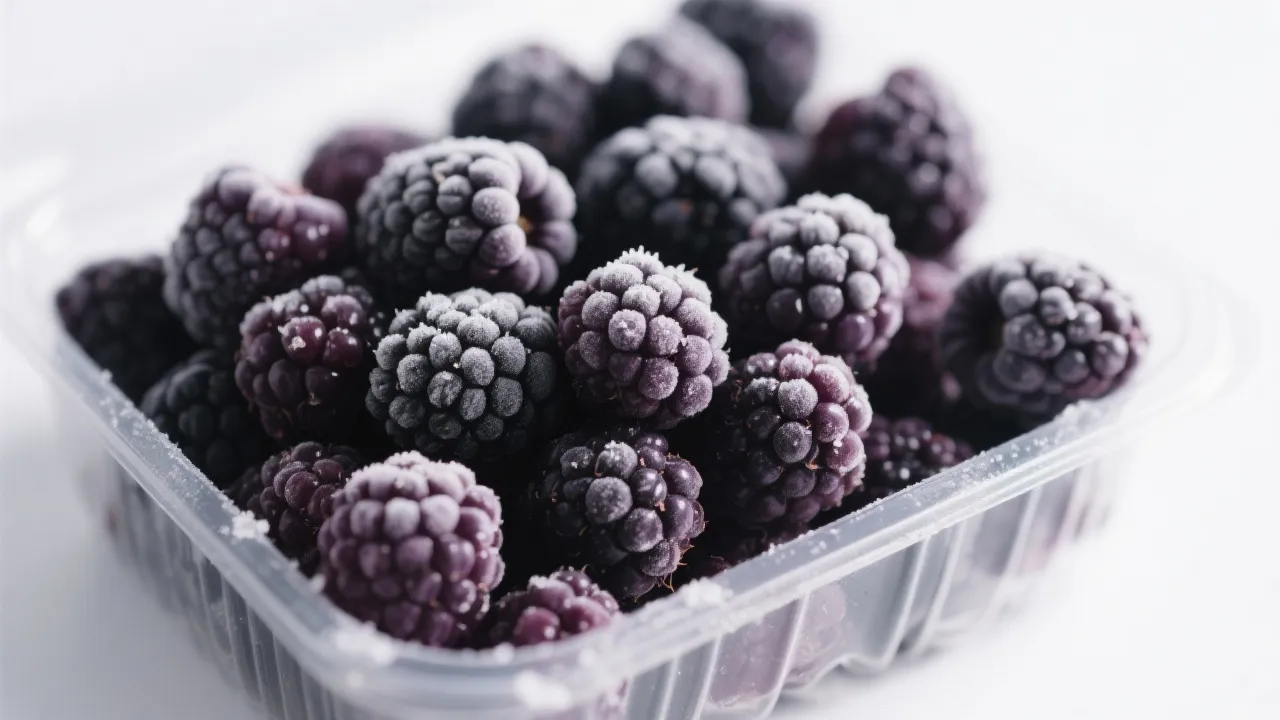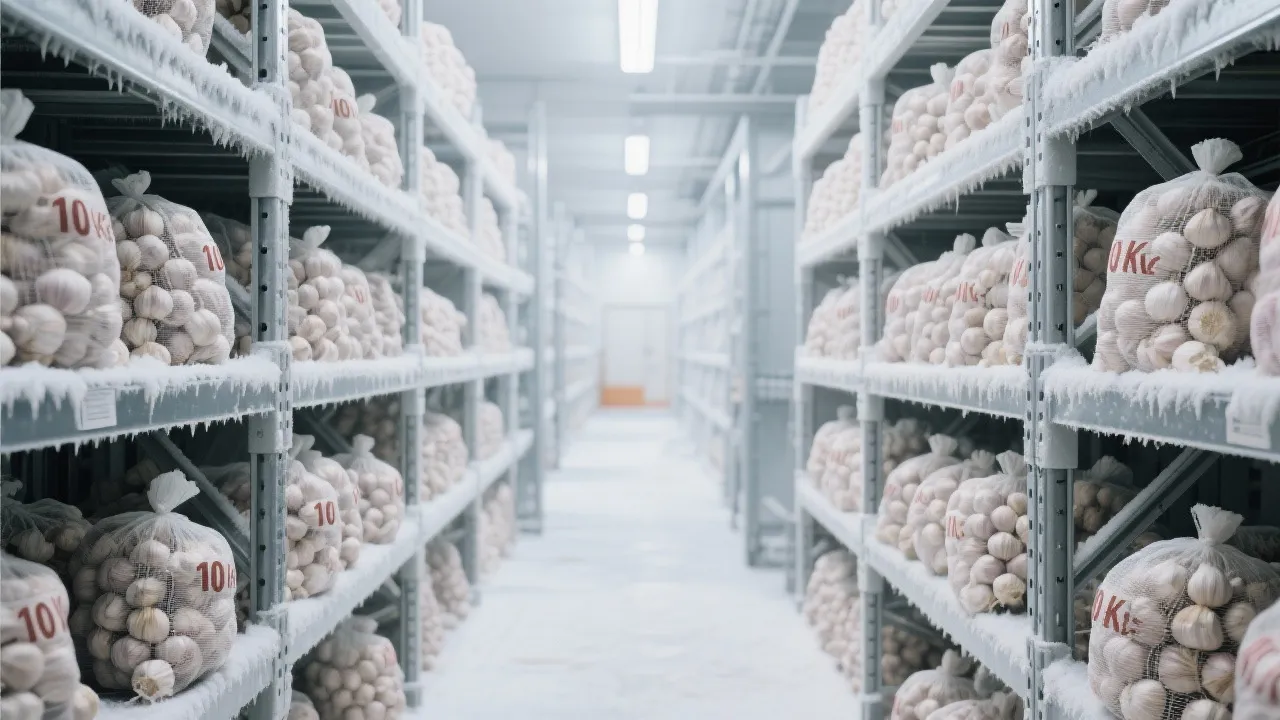
As health-conscious consumer trends rise globally, frozen fruits such as blackberries have become key commodities in the B2B food trade. However, a one-size-fits-all approach to packaging no longer suffices. Tailored packaging solutions for frozen blackberries, reflective of regional market needs and buyer psychology, can significantly enhance brand equity, buyer trust, and repurchase rates.
Successful frozen blackberry brands have learned to leverage packaging as a powerful storytelling tool. Unified Visual Identity (VI) through consistent logo placement, typography, and color palettes rooted in color psychology is central. For example, deep purples combined with fresh greens convey naturalness and vitality, triggering associations with purity and organic quality.
In European and North American markets, packaging that infuses cool, minimalist blues (#2a5caa) alongside eco-green accents (#228b22) subtly signals sustainability and freshness—attributes paramount to discerning buyers seeking “green” brands. Contrastingly, in Asian markets, warmer tones such as muted gold (#d2691e) and soft creams (#FFF8E6) nurture feelings of trust, auspiciousness, and high product quality, which are critical purchase drivers.
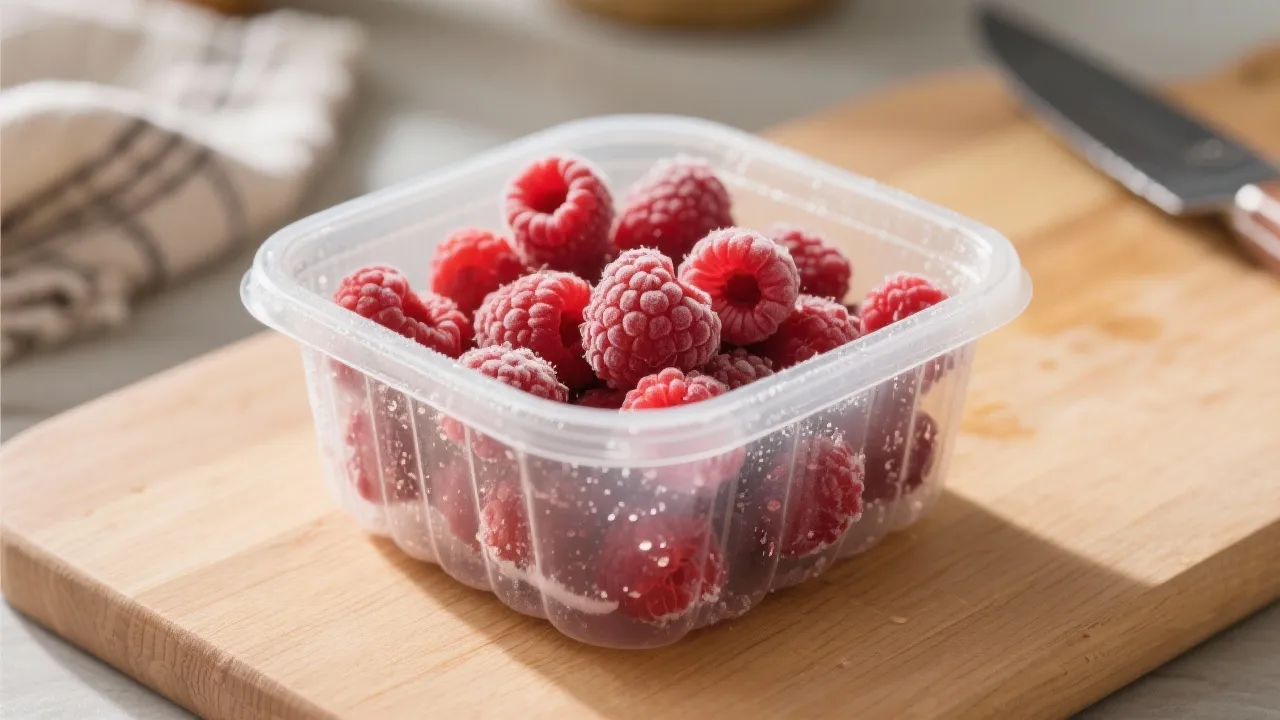
Packaging functionality for frozen blackberries must demonstrate superiority in sealing, frost prevention, and portion control to meet B2B clients’ logistical and consumer demands. High-barrier films with advanced vacuum sealing technology reduce freezer burn by up to 30%, extending shelf life.
Additionally, resealable zipper bags or modular compartmentalized packs help retail customers conveniently use precise quantities, reducing waste and improving overall satisfaction. The combination of robust sealing technology with ergonomic design communicates an understanding of unique supply chain and end-user challenges—making the packaging an indispensable part of the frozen blackberry value proposition.
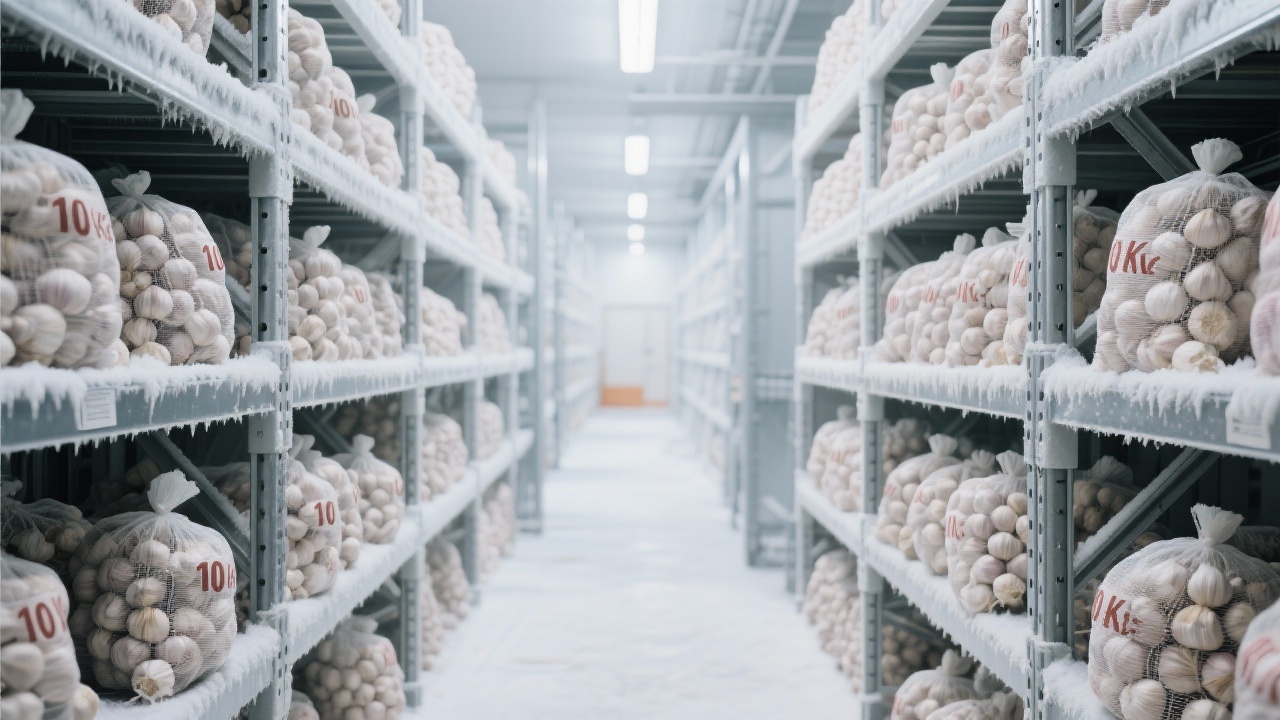
Frozen blackberry packaging must adapt to divergent market expectations spanning Europe, North America, and Asia:
Strategic customization rather than cost-driven uniformity empowers suppliers to penetrate and expand share effectively by speaking directly to B2B buyers’ distinct criteria and their consumers’ evolving values.
Commitment to Environmental, Social, and Governance (ESG) practices elevates packaging from mere containment to a relationship-builder with clients who increasingly weigh sustainability in procurement decisions. Introducing biodegradable films, recyclable cartons with soy-based inks, and reduced plastic layers align with B2B buyers’ corporate responsibility agendas.
Early adopters leveraging eco-conscious packaging report a 15-20% uplift in their B2B client retention metrics within 12 months, underlining packaging’s proven role in fortifying long-term partnerships.
“Switching to customized, eco-friendly packaging not only decreased product loss due to freezer burn but also enhanced our buyers’ confidence. They appreciated that the packaging echoed their sustainability values—it truly made every box tell their brand story.” — Senior Procurement Manager, a leading US frozen foods distributor
A recent industry survey spanning 500 B2B frozen fruit buyers reveals that 72% consider packaging design and sustainability certifications a decisive factor for repeat orders. Within this group, brands implementing region-specific packaging reported a 25% higher repurchase rate compared to those offering generic packaging.
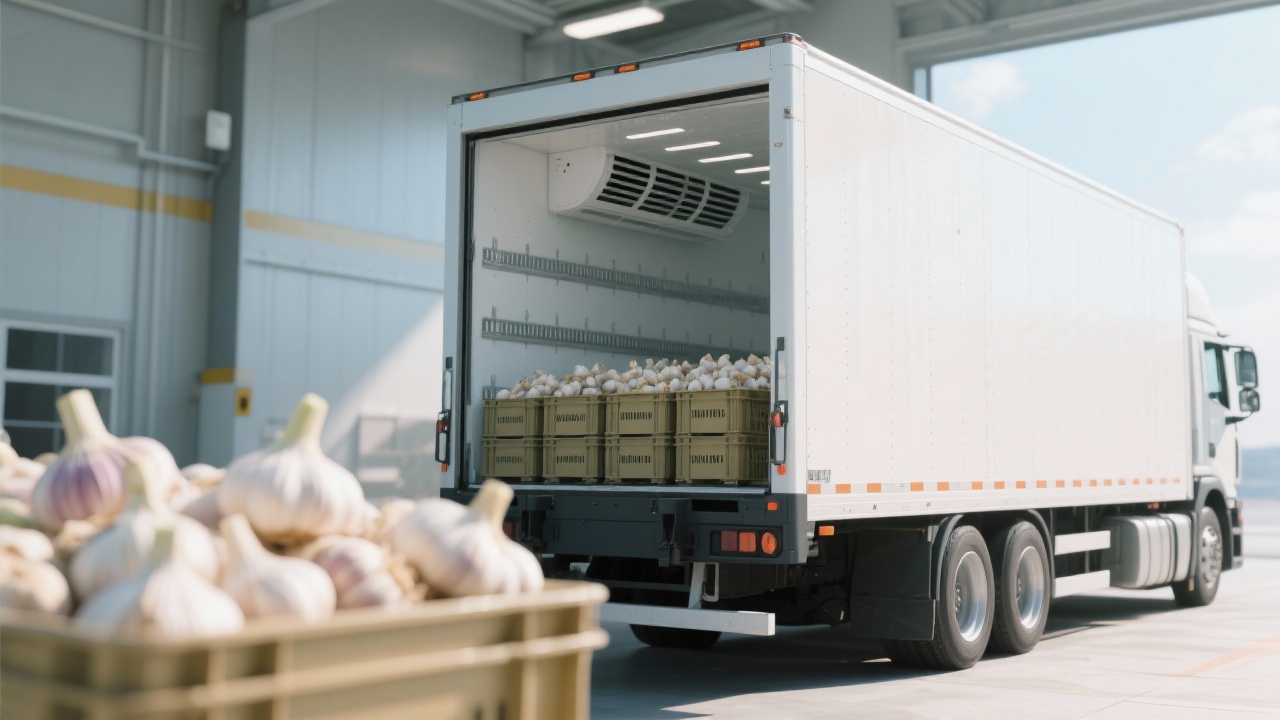
These findings stress how B2B buyers seek packaging that not only preserves but enhances product perception downstream, making packaging a critical lever for differentiation amidst mounting competition.
Brands such as BerryPure and FrostFresh exemplify market leadership through their packaging innovations:
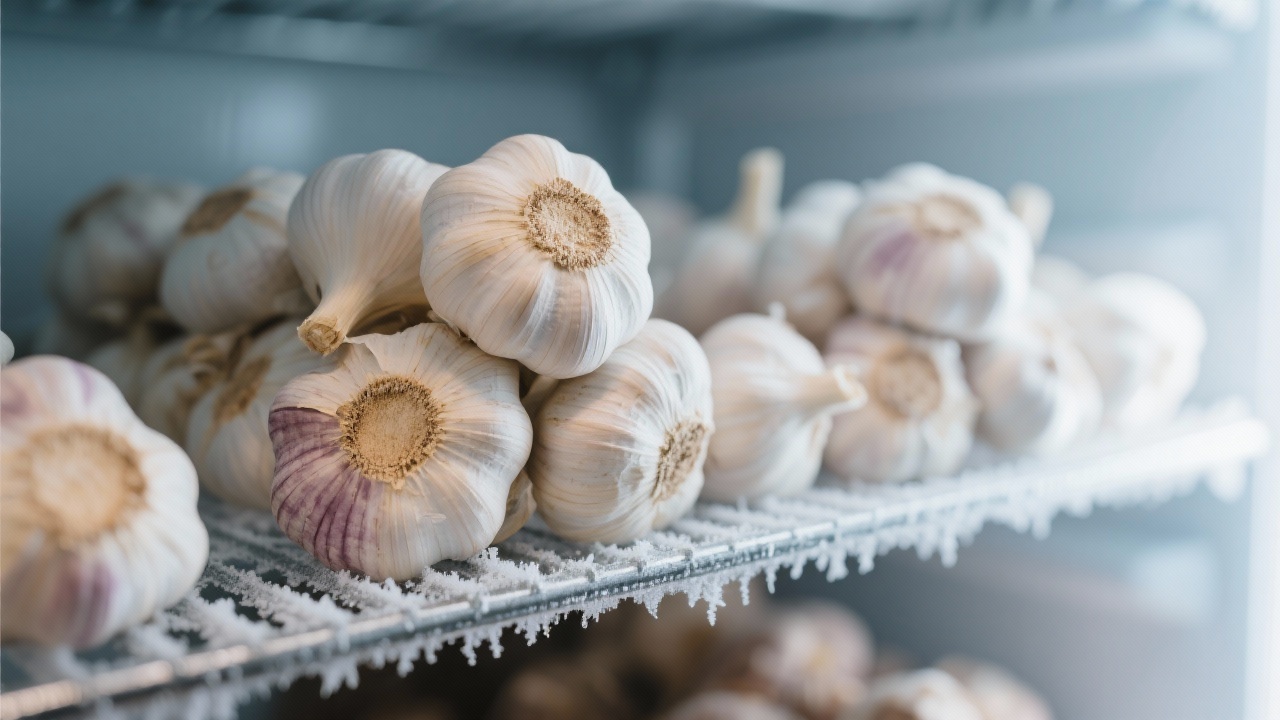
Let every frozen blackberry box tell your brand’s story through intelligent design that speaks to your buyers’ values and practical realities. This isn’t only about preservation—it’s about truly understanding and serving your customers better.

 185
|
185
|
 Frozen blackcurrants
Quick - freezing technology
Cold chain transportation
- 18°C refrigeration
Preservation of fruit and vegetable nutrition
209
|
whole freeze-dried red raspberry powder
red raspberry powder comparison
functional food ingredients
freeze-drying advantages
high-end dietary supplement raw materials
384
|
speed frozen blackberries
cell structure damage in frozen fruit
freezing technology for berries
food safety certification for frozen fruit
nutrient retention in frozen berries
494
|
freeze dried raspberry powder supply chain
cold chain logistics management
flexible replenishment strategy
overseas brand ingredient sourcing
international food raw materials
225
|
freeze dried raspberry powder
anthocyanin bioavailability
functional food formulation
protein bar ingredients
antioxidant preservation
Frozen blackcurrants
Quick - freezing technology
Cold chain transportation
- 18°C refrigeration
Preservation of fruit and vegetable nutrition
209
|
whole freeze-dried red raspberry powder
red raspberry powder comparison
functional food ingredients
freeze-drying advantages
high-end dietary supplement raw materials
384
|
speed frozen blackberries
cell structure damage in frozen fruit
freezing technology for berries
food safety certification for frozen fruit
nutrient retention in frozen berries
494
|
freeze dried raspberry powder supply chain
cold chain logistics management
flexible replenishment strategy
overseas brand ingredient sourcing
international food raw materials
225
|
freeze dried raspberry powder
anthocyanin bioavailability
functional food formulation
protein bar ingredients
antioxidant preservation


.png?x-oss-process=image/resize,h_100,m_lfit/format,webp)
.png?x-oss-process=image/resize,h_100,m_lfit/format,webp)
.png?x-oss-process=image/resize,h_100,m_lfit/format,webp)
 English