
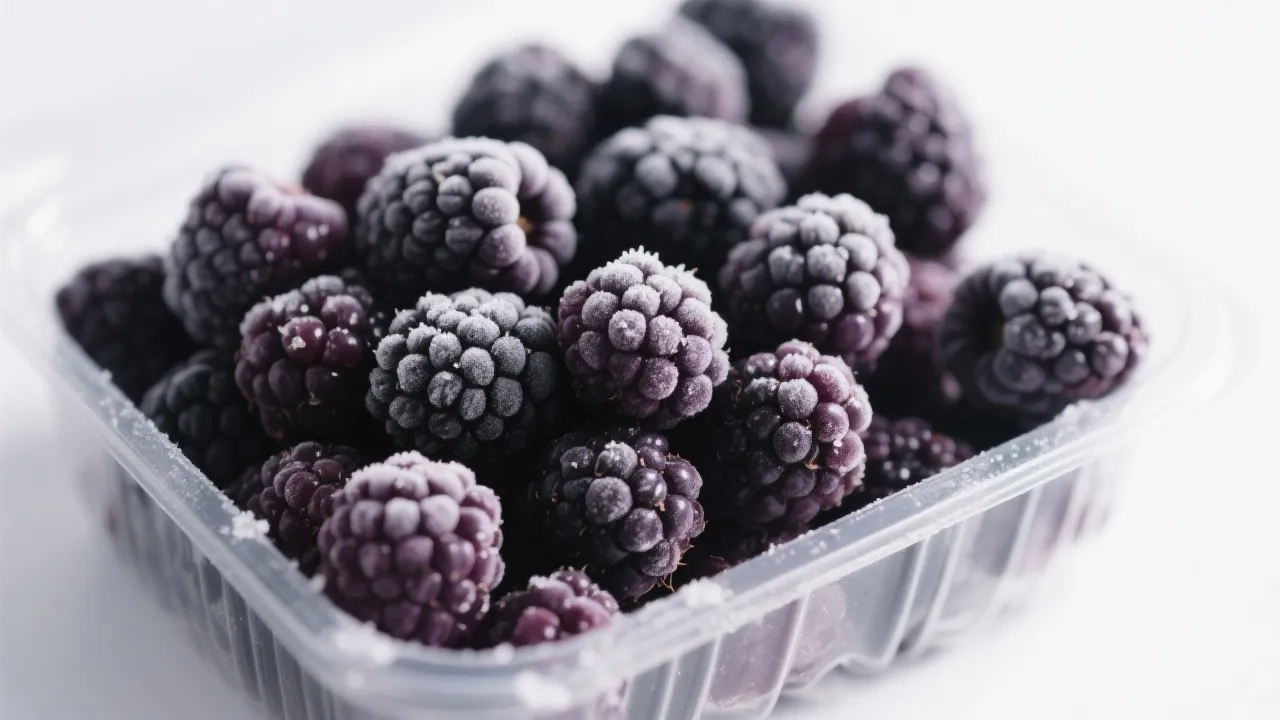
In the dynamic landscape of the functional food industry, the standards for procuring high-quality frozen fruit powder raw materials are evolving rapidly. This article aims to provide a comprehensive analysis of these standards, specifically focusing on the distinctions between whole frozen red raspberry powder and traditional crushed powder, and offering actionable insights for procurement decision-makers.
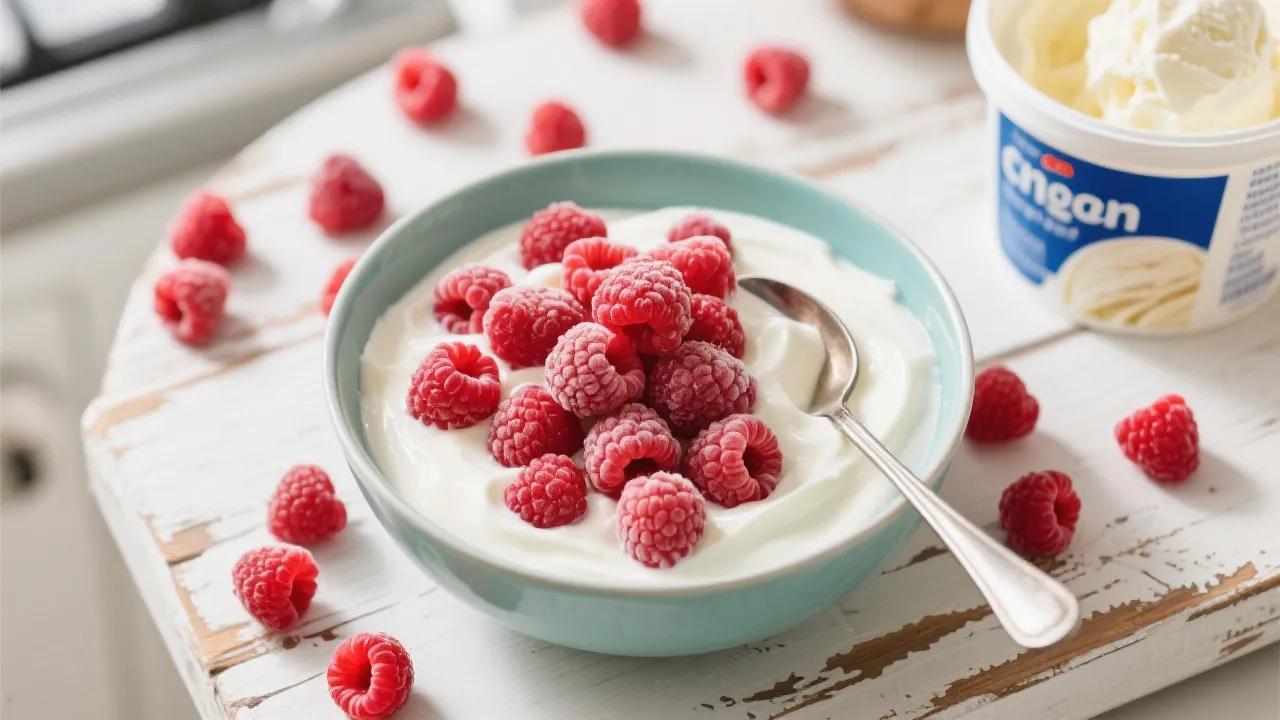
In the realm of functional food ingredients, the difference between whole frozen red raspberry powder and traditional crushed powder is significant. Whole frozen red raspberry powder undergoes a meticulous production process that sets it apart in terms of nutritional value and sensory quality.
One of the key steps in producing high - grade whole frozen red raspberry powder is the triple manual screening. This process ensures that only the freshest and most intact red raspberries are selected. On average, through this rigorous screening, about 85% of the initially sourced raspberries are discarded, leaving only the top - quality ones for further processing. This results in a final product with a significantly higher concentration of nutrients compared to traditional crushed powder.
The whole fruit rate is a crucial indicator of the quality of frozen red raspberry powder. High - quality whole frozen red raspberry powder boasts an impressive whole fruit rate of over 95%. This means that almost all the components in the powder are from intact red raspberries, preserving a more complete range of vitamins, antioxidants, and dietary fibers. In contrast, traditional crushed powder may lose a substantial amount of these nutrients during the crushing process. For example, vitamin C content in high - whole - fruit - rate powder can be up to 30% higher than in traditional crushed powder, as shown in a recent SGS report.
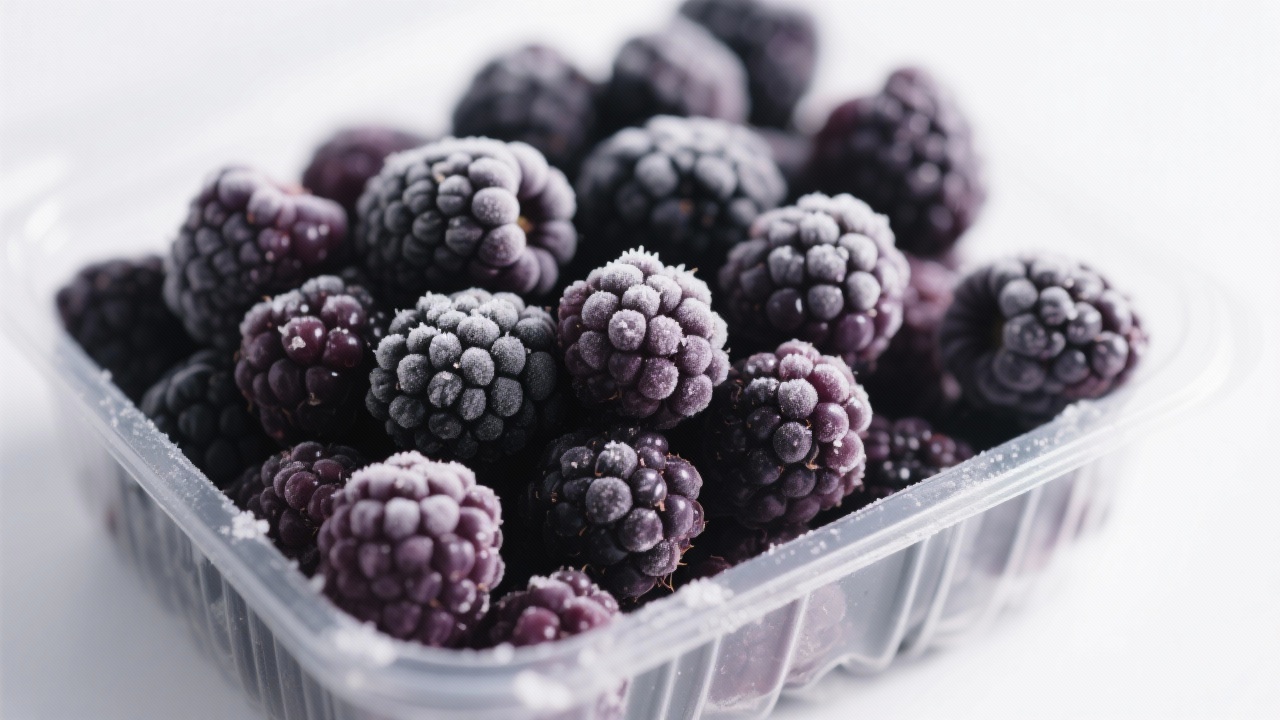
The - 18℃ cold chain fresh - lock technology is another factor that contributes to the superiority of whole frozen red raspberry powder. By maintaining a low temperature throughout the production and storage process, this technology effectively inhibits the growth of microorganisms and the degradation of nutrients. It can retain up to 90% of the original flavor and nutrients of the red raspberries, while traditional methods may only retain about 60 - 70%.
High - end dietary supplements and probiotic complex powders have stringent requirements for raw material quality. Whole frozen red raspberry powder, with its high nutritional density and excellent sensory properties, has become an ideal choice for these products.
In high - end dietary supplements, the rich antioxidants in whole frozen red raspberry powder can enhance the body's antioxidant defense system. And in probiotic complex powders, the dietary fibers in the powder can serve as a prebiotic, promoting the growth and activity of probiotics. According to market research, the demand for functional food products containing high - quality red raspberry powder has increased by 40% in the past two years.
To make more scientific and effective procurement decisions, it is essential to understand the data in authority inspection reports such as SGS and CQC. These reports provide detailed information on the nutritional composition, microbial indicators, and heavy metal content of the frozen fruit powder.
For example, in an SGS report, the total plate count should be less than 1000 CFU/g, and the heavy metal content such as lead and mercury should be within the national safety standards. By carefully analyzing these reports, procurement decision - makers can accurately assess the quality of different raw material suppliers.
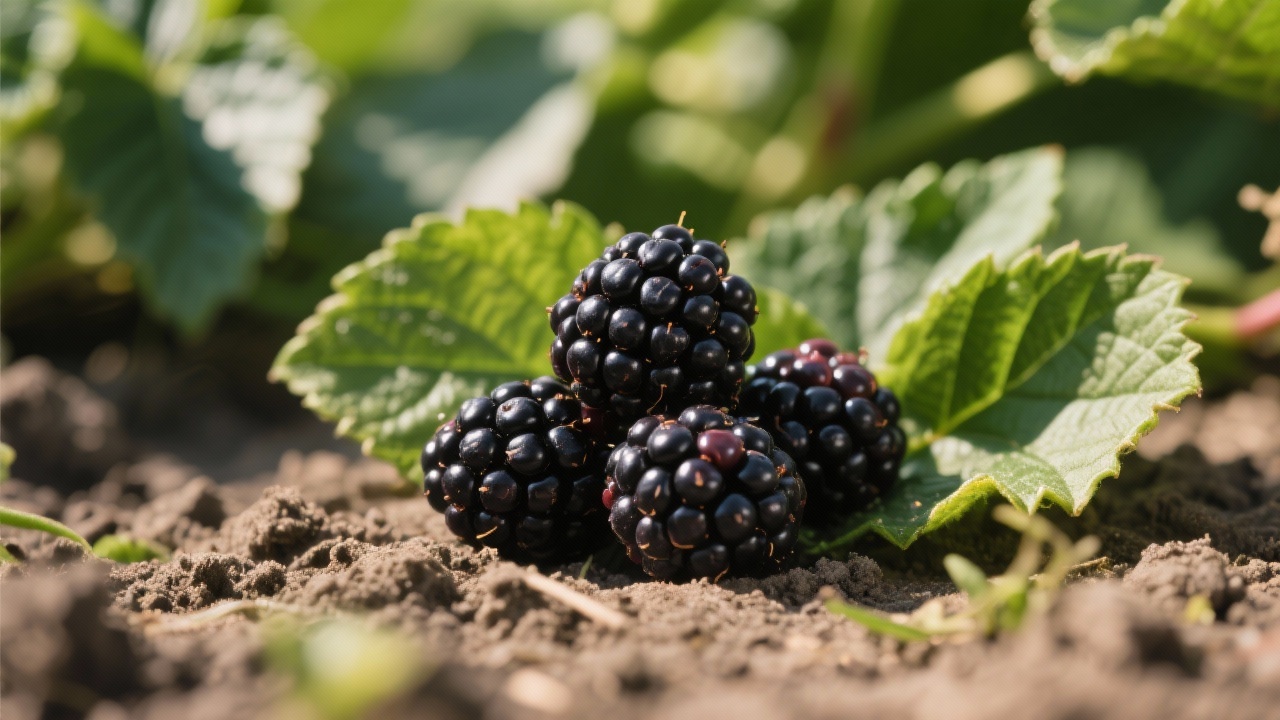
Elevate your functional food products with the highest - quality whole frozen red raspberry powder. Discover how our premium raw materials can enhance the nutritional value and market competitiveness of your offerings. Click here to learn more about sourcing the finest frozen fruit powder for your business.

 300
|
300
|
 rapid frozen blackberries
frozen berry nutrient retention
export-grade berries
quick freezing technology
frozen fruit quality control
46
|
rapid freezing technology
frozen blackberries preservation
nutritional retention in frozen fruit
supply chain quality control
organic blackberry export
320
|
quick frozen black currants
black currant processing technology
cold chain logistics for berries
frozen fruit in food manufacturing
juice and jam production from frozen berries
285
|
frozen black currants export to EU
HACCP certification for food exports
EU food import regulations
cold chain logistics for berries
food safety compliance in agriculture
220
|
frozen blackcurrants
quick freezing technology
blackcurrant nutrition retention
frozen fruit processing
cold chain logistics
rapid frozen blackberries
frozen berry nutrient retention
export-grade berries
quick freezing technology
frozen fruit quality control
46
|
rapid freezing technology
frozen blackberries preservation
nutritional retention in frozen fruit
supply chain quality control
organic blackberry export
320
|
quick frozen black currants
black currant processing technology
cold chain logistics for berries
frozen fruit in food manufacturing
juice and jam production from frozen berries
285
|
frozen black currants export to EU
HACCP certification for food exports
EU food import regulations
cold chain logistics for berries
food safety compliance in agriculture
220
|
frozen blackcurrants
quick freezing technology
blackcurrant nutrition retention
frozen fruit processing
cold chain logistics



.png?x-oss-process=image/resize,h_100,m_lfit/format,webp)
.png?x-oss-process=image/resize,h_100,m_lfit/format,webp)
.png?x-oss-process=image/resize,h_100,m_lfit/format,webp)
 English


