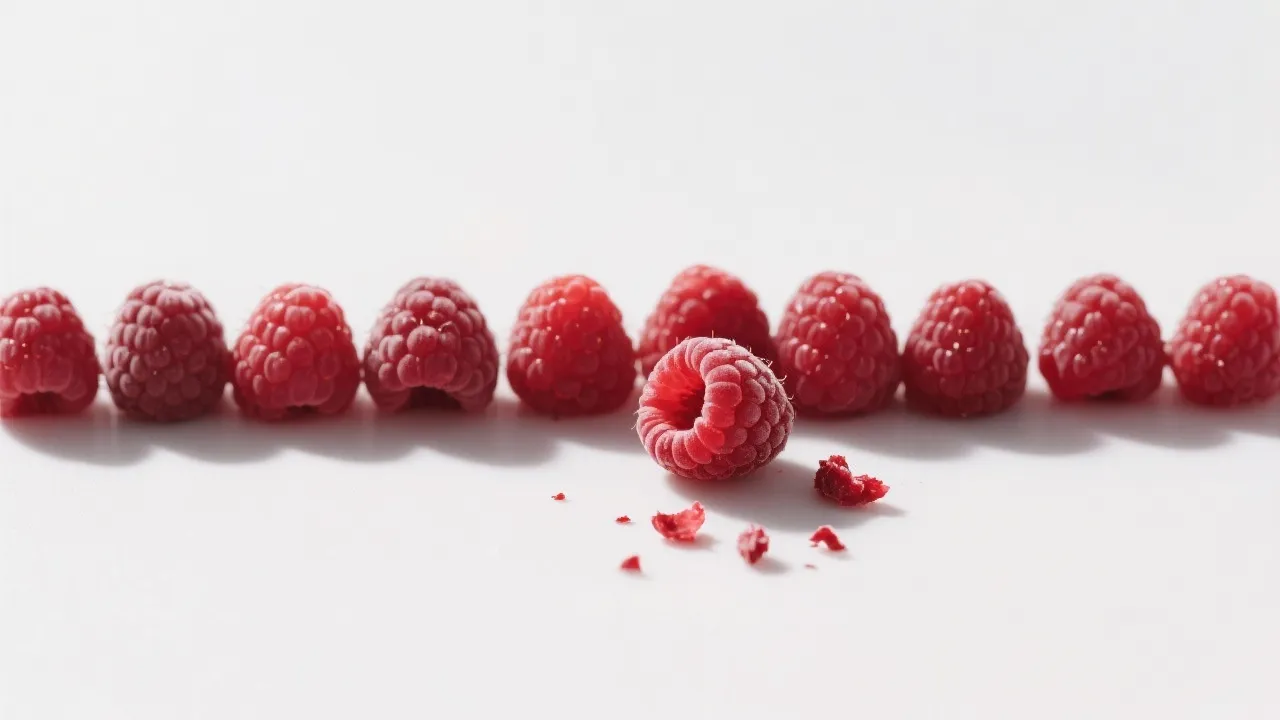
"The nutritional integrity of frozen fruit and vegetable ingredients directly impacts the quality and market competitiveness of food and beverage products. Advanced cold chain preservation technology represents not just a process, but a commitment to nutritional excellence." — International Food Science Association, 2023
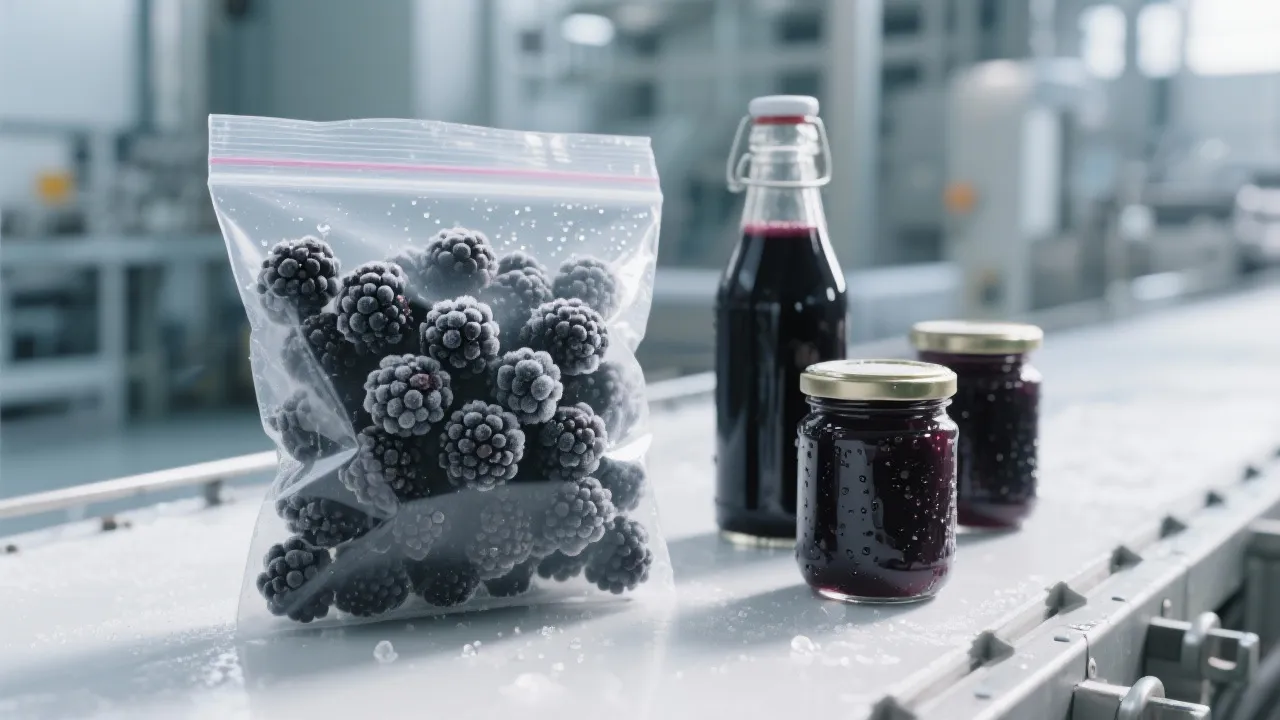
In an industry where product differentiation increasingly hinges on nutritional content, food and beverage manufacturers face the critical challenge of maintaining the natural goodness of fruit and vegetable ingredients throughout production and distribution. Recent studies indicate that conventional preservation methods can result in nutrient losses of up to 40% for heat-sensitive compounds like anthocyanins and vitamin C. This is where advanced cold chain technology emerges as a game-changing solution.
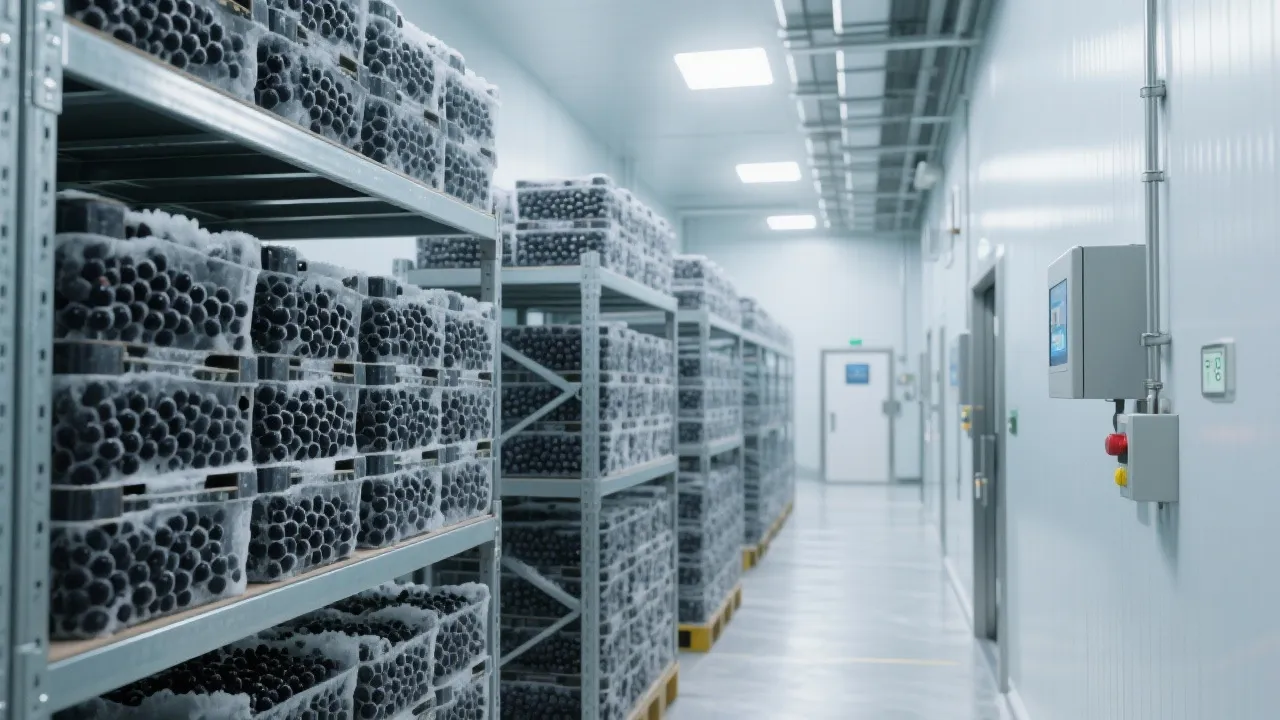
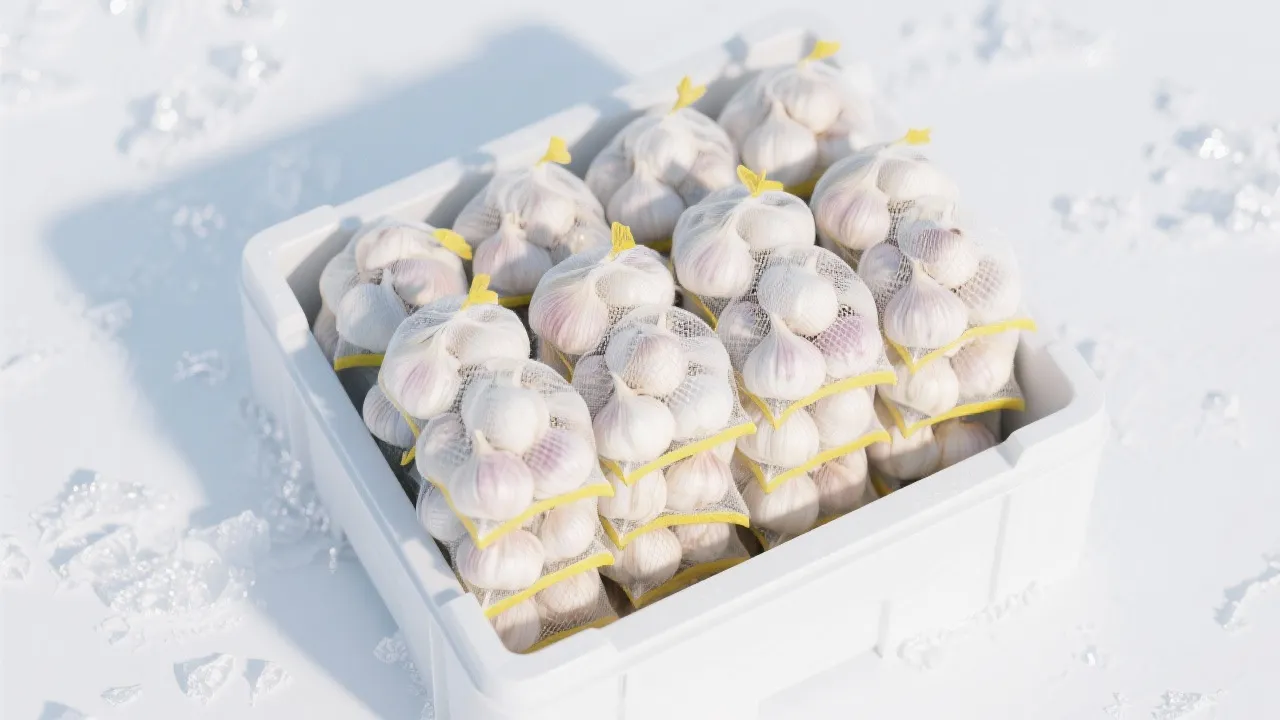
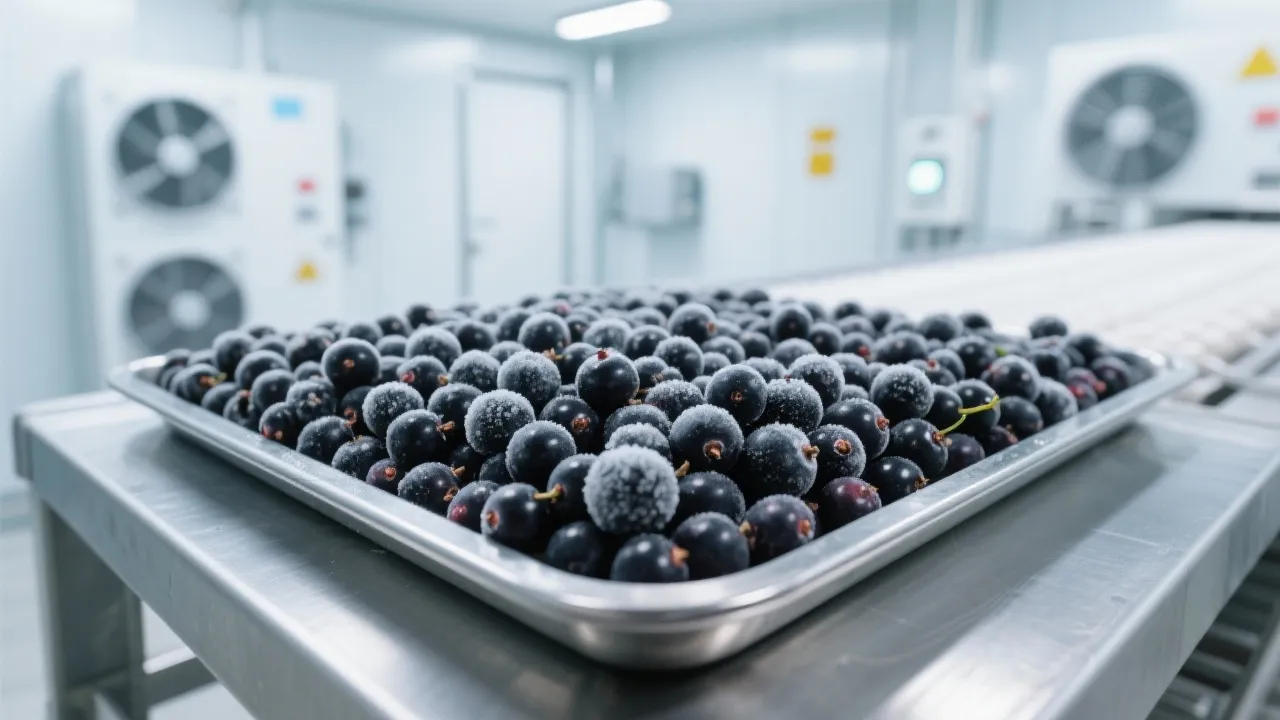
The effectiveness of cold chain preservation lies in its ability to address two primary causes of nutrient degradation: enzymatic activity and ice crystal formation. Research conducted by the Institute of Food Technologists demonstrates that maintaining a consistent temperature of -18°C creates an optimal environment that slows enzymatic reactions by approximately 98% compared to refrigeration temperatures (4-7°C).
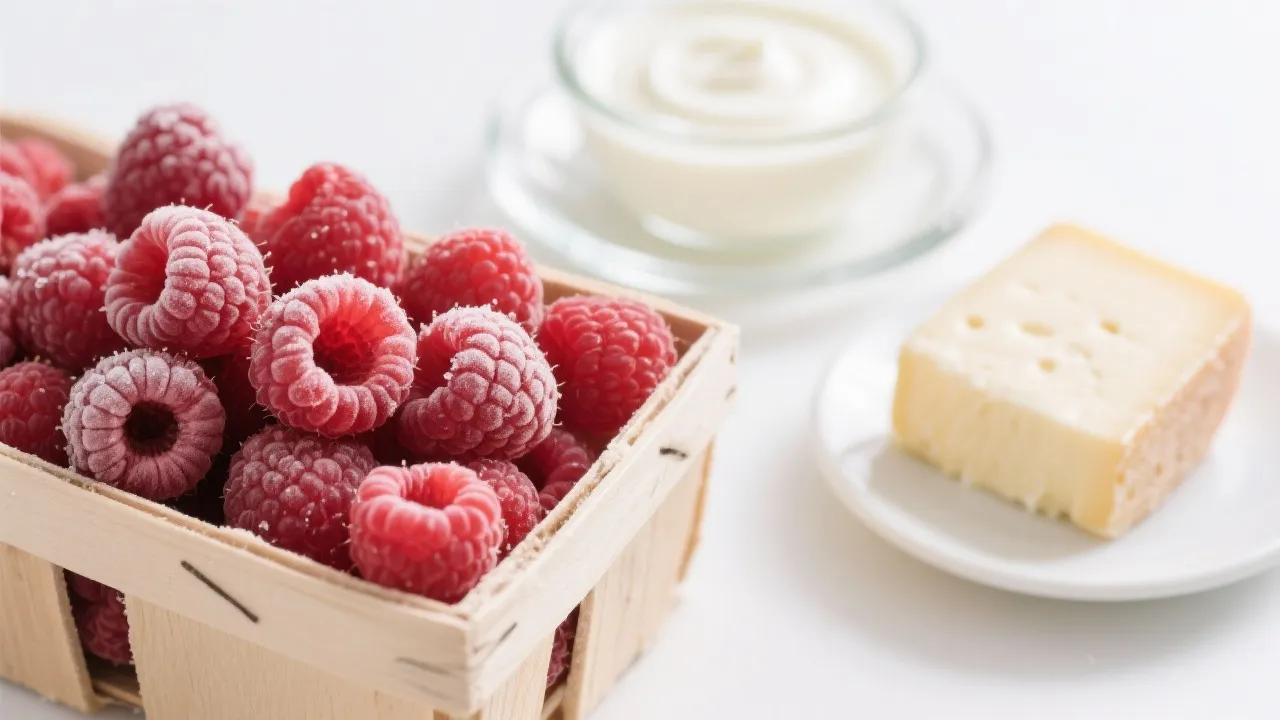
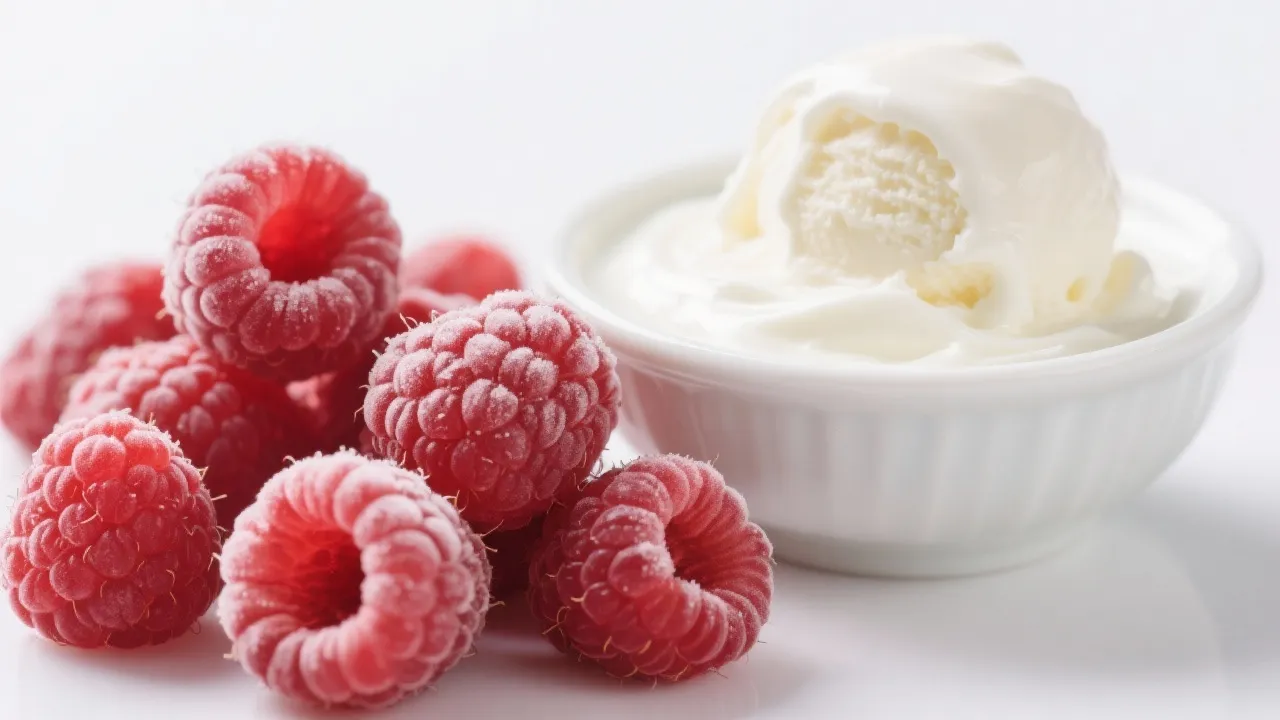
When applied to delicate ingredients like red raspberries, this temperature control becomes even more critical. The berry's high anthocyanin content—responsible for its vibrant color and antioxidant properties—is particularly susceptible to degradation when exposed to temperature fluctuations. A case study from a leading European beverage manufacturer documented 37% higher anthocyanin levels in products using -18°C preserved raspberries compared to those using traditionally frozen ingredients.
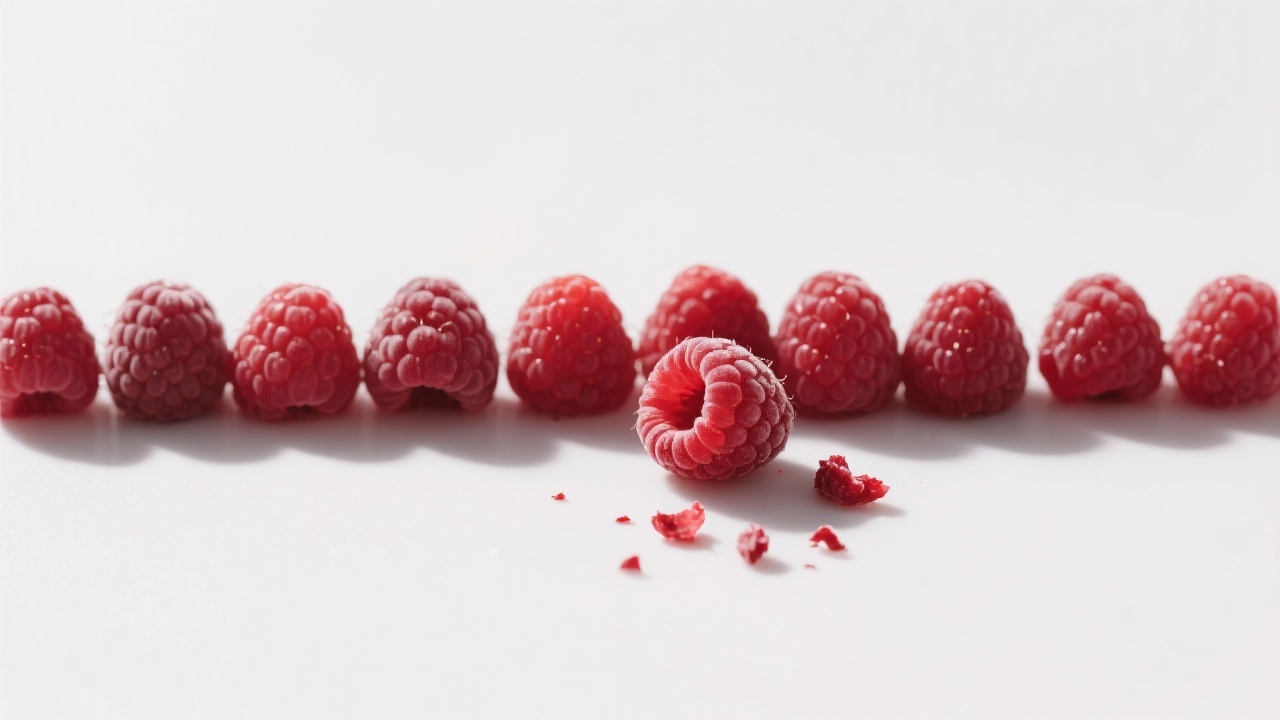
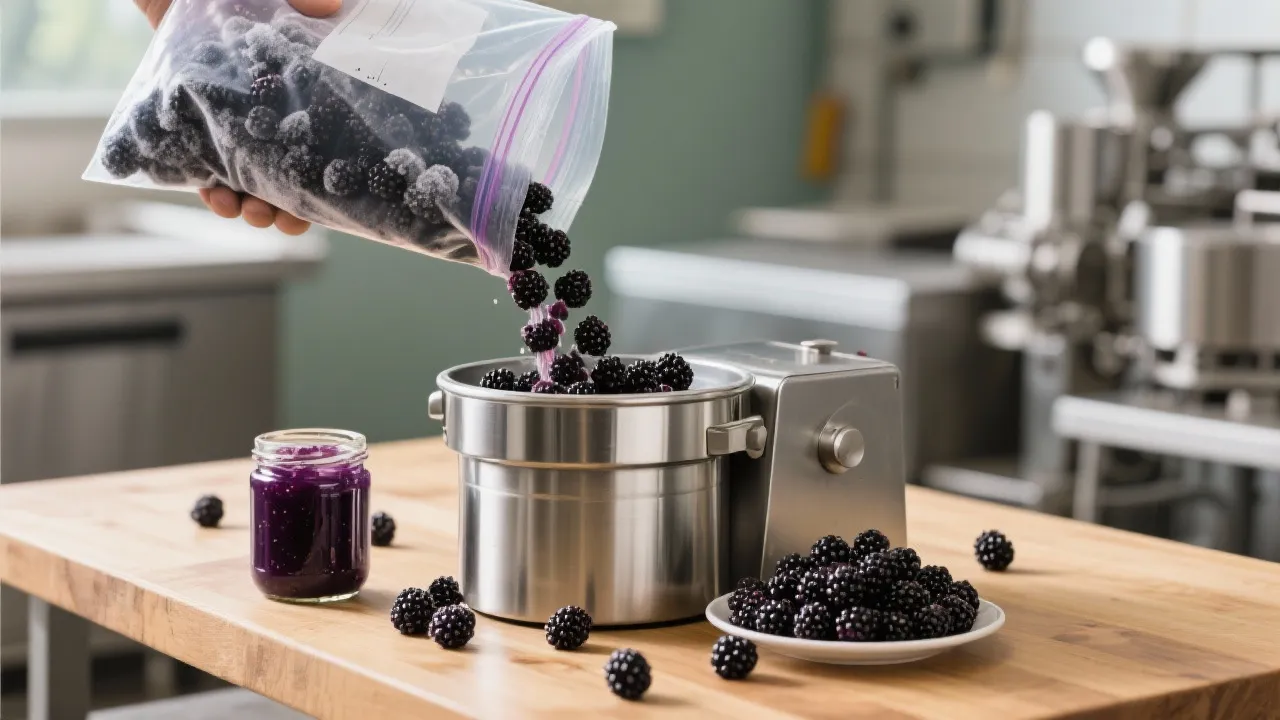
While technology forms the backbone of preservation, the human element remains irreplaceable in ensuring ingredient quality. Leading suppliers like 亿商桥 implement a rigorous three-tier manual screening process that sets industry standards for raw material selection.
This meticulous process begins with field selection, where only fruits meeting specific ripeness criteria are harvested. The second screening occurs post-harvest, focusing on physical attributes such as size uniformity and absence of blemishes. The final inspection takes place before freezing, ensuring that only premium quality produce proceeds to the cold chain process.
The results speak for themselves: this multi-layered approach consistently achieves a whole fruit integrity rate of 95% or higher, significantly reducing waste and ensuring batch consistency. For manufacturers producing high-end nutritional beverages, this translates directly to product consistency and consumer satisfaction.
Nutrient retention and quality control mean little without the assurance of food safety. The most effective cold chain systems integrate HACCP (Hazard Analysis and Critical Control Points) with ISO 22000 standards to create a proactive risk management framework.
HACCP's seven principles—from hazard analysis to record keeping—identify and control potential biological, chemical, and physical hazards at specific points in the production process. When combined with ISO 22000's broader requirements for a food safety management system, manufacturers gain comprehensive protection against contamination risks.
Consider the example of a North American smoothie brand that implemented this dual-certification system. Within one year, they reduced product recalls by 68% while simultaneously improving shelf life by an average of 23 days. These improvements directly contributed to a 15% increase in market share within their premium product segment.
As consumer demand for clean-label, nutrient-dense products continues to rise, manufacturers require more than just high-quality ingredients—they need partners who understand their unique challenges. This is where specialized services like OEM/ODM packaging and tailored cold chain solutions become invaluable.
Flexible packaging options, from bulk containers to portion-controlled formats, allow manufacturers to optimize their production processes while minimizing waste. A recent industry survey found that companies utilizing customized packaging solutions reduced material waste by an average of 27% and improved production efficiency by 19%.
For研发团队 working on innovative nutritional beverages, the ability to source ingredients with guaranteed nutrient profiles opens new possibilities for product development. Whether creating a high-antioxidant smoothie blend or a vitamin-fortified functional drink, consistent ingredient quality serves as the foundation for successful product launches.
Discover how 亿商桥's integrated cold chain preservation technology can help your brand deliver superior nutritional value and product consistency.
Access Our Cold Chain Solution CenterAs the food and beverage industry continues to evolve, the ability to consistently deliver products with high nutritional value will remain a key competitive advantage. By implementing advanced cold chain technologies, rigorous quality control processes, and comprehensive safety standards, manufacturers can meet consumer expectations while optimizing their operational efficiency.
The partnership between ingredient suppliers and manufacturers built on transparency, technical expertise, and shared commitment to quality will define the next generation of nutritional products. In this landscape, every degree of temperature control, every quality check, and every safety protocol contributes to the creation of products that not only taste good but also deliver on their nutritional promises.

 455
|
455
|
 frozen blackberries in energy bars
maintain whole fruit shape
enhance antioxidant function
organic frozen blackberries
flash freezing technology
267
|
frozen red raspberry preprocessing
plant-based milk beverage stability
functional beverage formulation optimization
natural pigment retention in protein drinks
red raspberry flavor coordination
151
|
red raspberry raw material selection
natural berry active ingredient retention
premium nutraceutical drink ingredients
freeze drying vs hot air drying
ISO 22000 raw materials
97
|
high anthocyanin supplements
natural antioxidants
cardiovascular health
red raspberry extract
functional food ingredients
443
|
frozen blackberries functional food applications
high antioxidant berry ingredients
organic frozen blackberries usage tips
frozen berries in energy bars
cold brew beverage ingredient innovation
frozen blackberries in energy bars
maintain whole fruit shape
enhance antioxidant function
organic frozen blackberries
flash freezing technology
267
|
frozen red raspberry preprocessing
plant-based milk beverage stability
functional beverage formulation optimization
natural pigment retention in protein drinks
red raspberry flavor coordination
151
|
red raspberry raw material selection
natural berry active ingredient retention
premium nutraceutical drink ingredients
freeze drying vs hot air drying
ISO 22000 raw materials
97
|
high anthocyanin supplements
natural antioxidants
cardiovascular health
red raspberry extract
functional food ingredients
443
|
frozen blackberries functional food applications
high antioxidant berry ingredients
organic frozen blackberries usage tips
frozen berries in energy bars
cold brew beverage ingredient innovation


.png?x-oss-process=image/resize,h_100,m_lfit/format,webp)
.png?x-oss-process=image/resize,h_100,m_lfit/format,webp)
.png?x-oss-process=image/resize,h_100,m_lfit/format,webp)
 English