
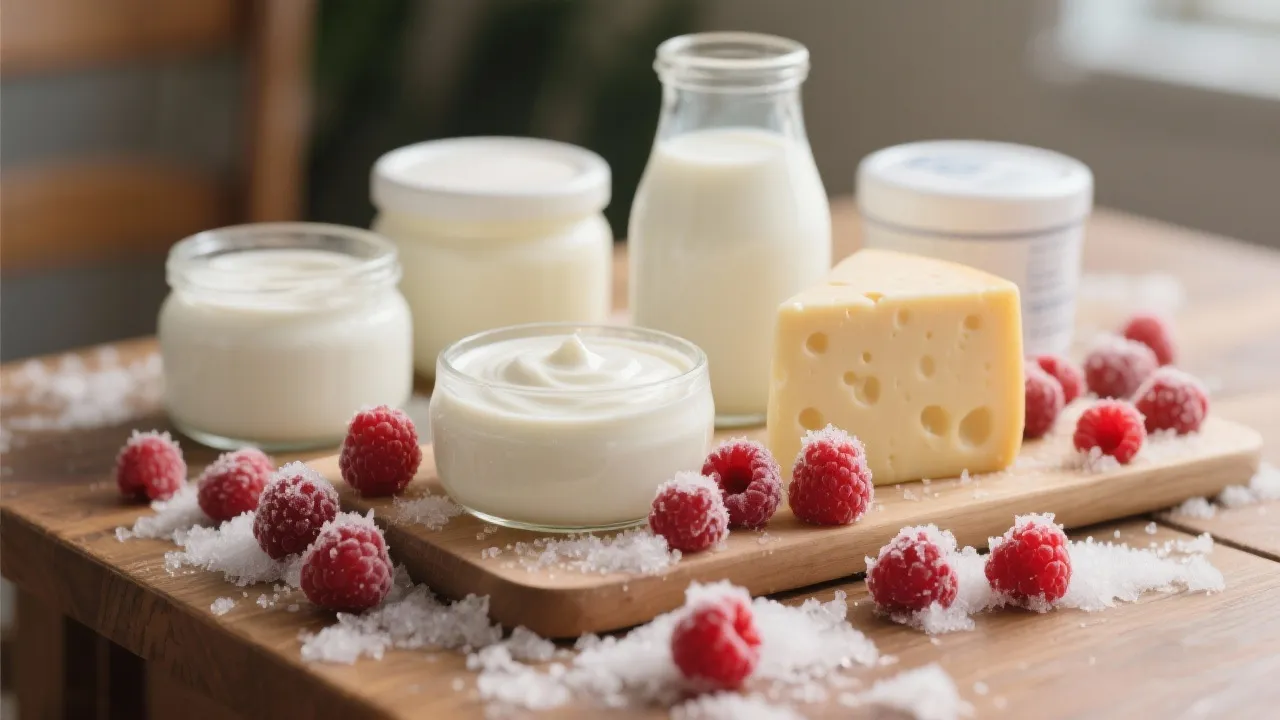
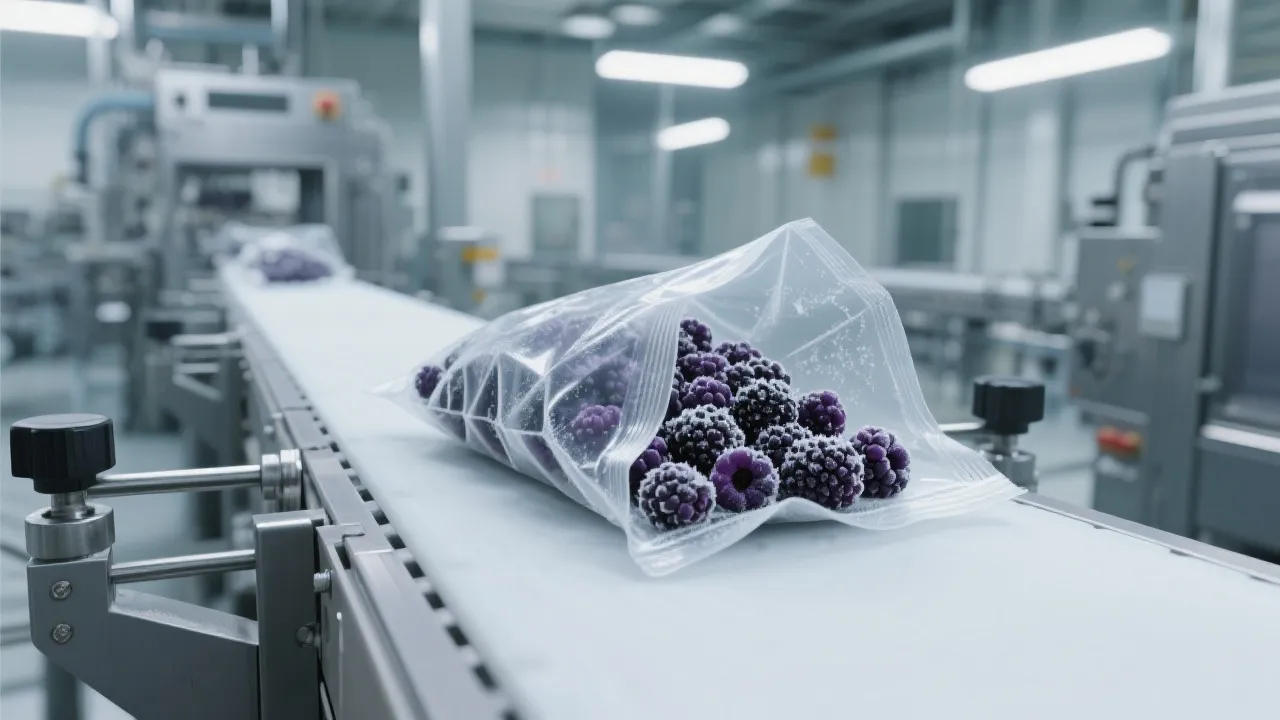
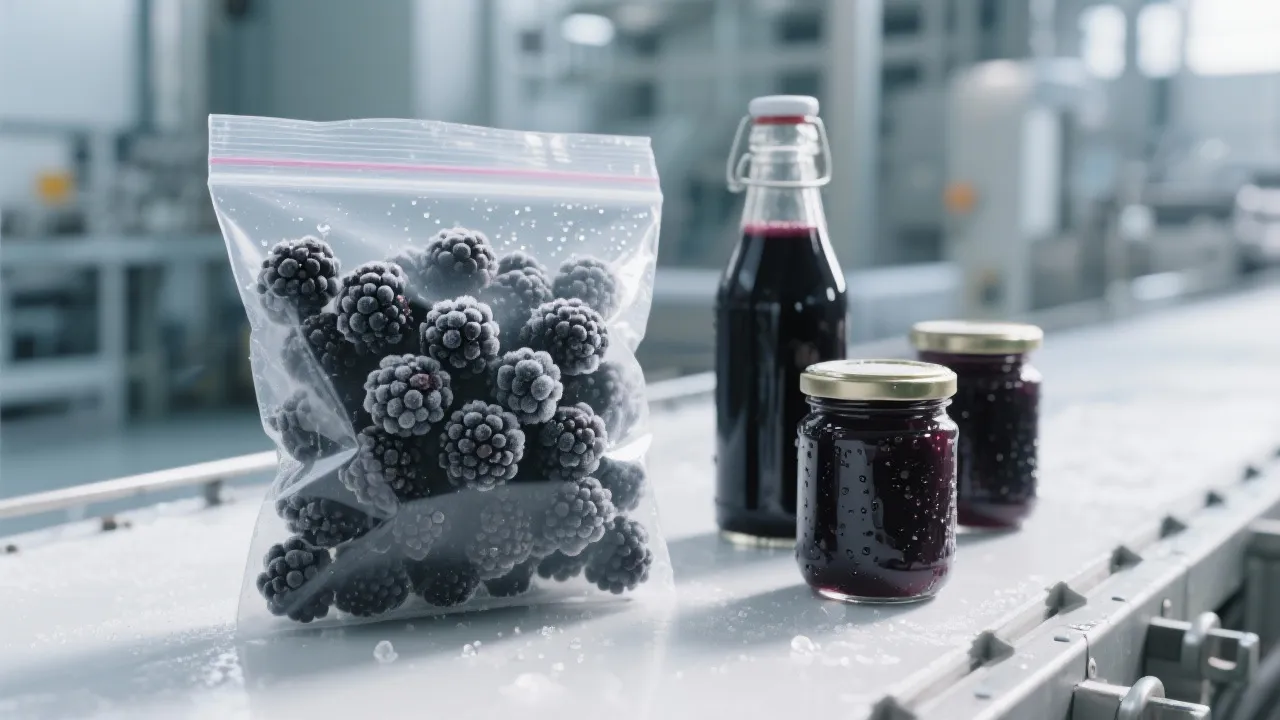
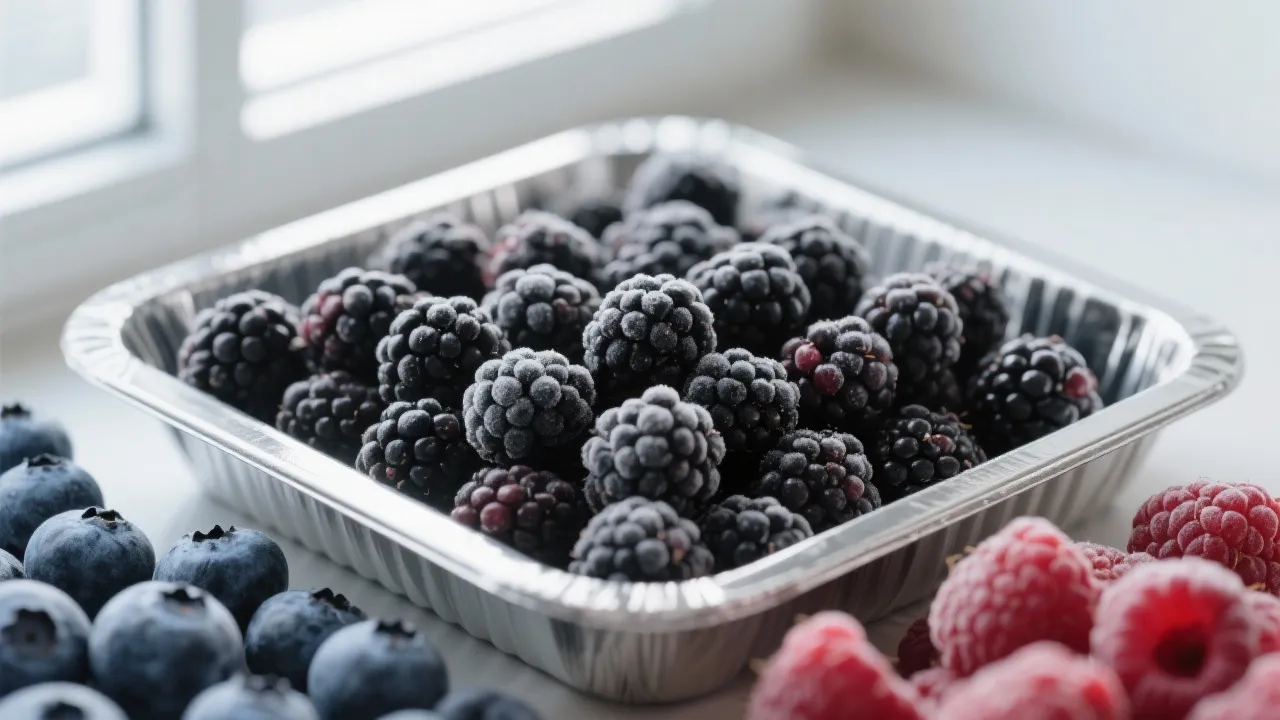
In today's competitive food and beverage industry, maintaining the nutritional quality and functional properties of fruit and vegetable raw materials throughout the supply chain presents significant challenges. Research indicates that conventional cold chain methods can result in up to 30% loss of key nutrients like anthocyanins and vitamin C during transportation and storage. This is where advanced -18°C cold chain preservation technology comes into play, offering a scientifically proven solution to maintain raw material integrity from farm to factory.
"The stability of functional ingredients directly impacts product quality and consumer trust. Our analysis of 127 global food manufacturers shows that those implementing precise -18°C cold chain management report 40% fewer quality complaints and 25% higher product consistency." — Dr. Emily Rodriguez, Food Science Advisor at Global Food Safety Institute
The biochemical reactions in fruits and vegetables don't stop after harvest—enzymatic activity continues to break down nutrients and affect texture. At -18°C, enzyme activity is reduced by over 98%, effectively pausing the degradation process. This temperature point is scientifically validated as optimal because it: 1) Prevents the formation of large ice crystals that rupture cell structures; 2) Inhibits microbial growth without compromising nutritional integrity; and 3) Maintains cellular structure to preserve color, flavor, and texture.
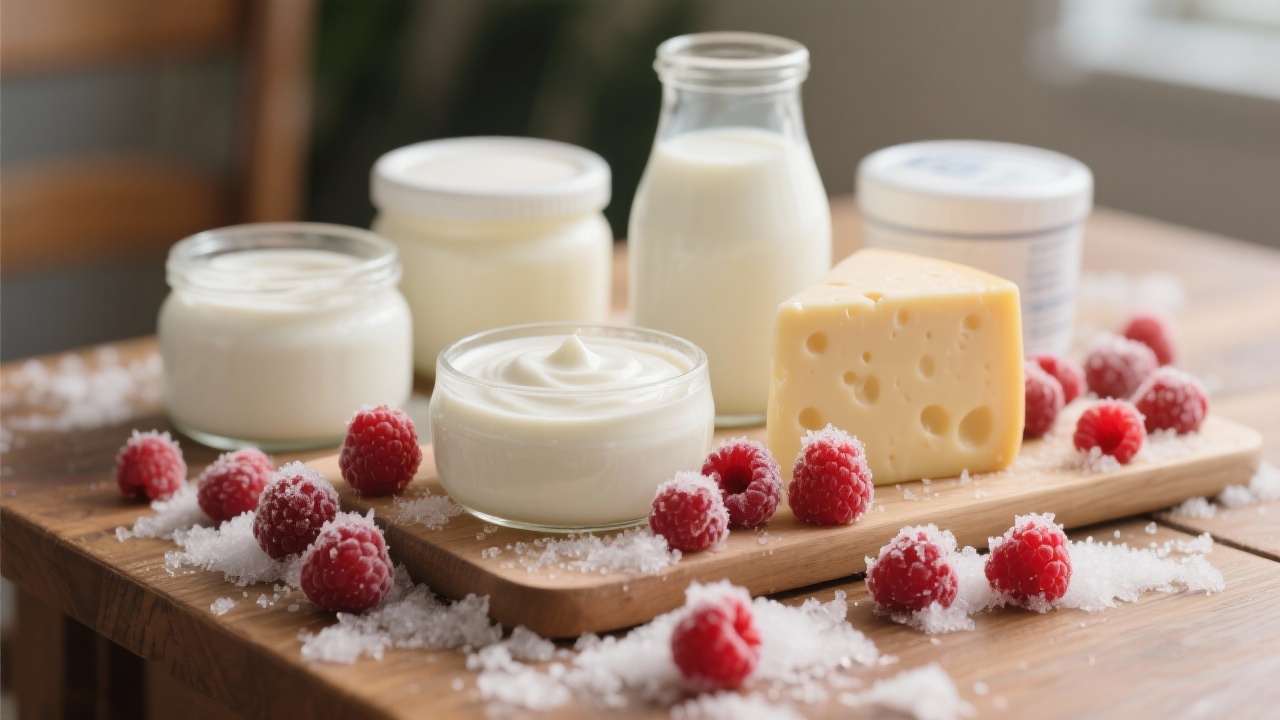
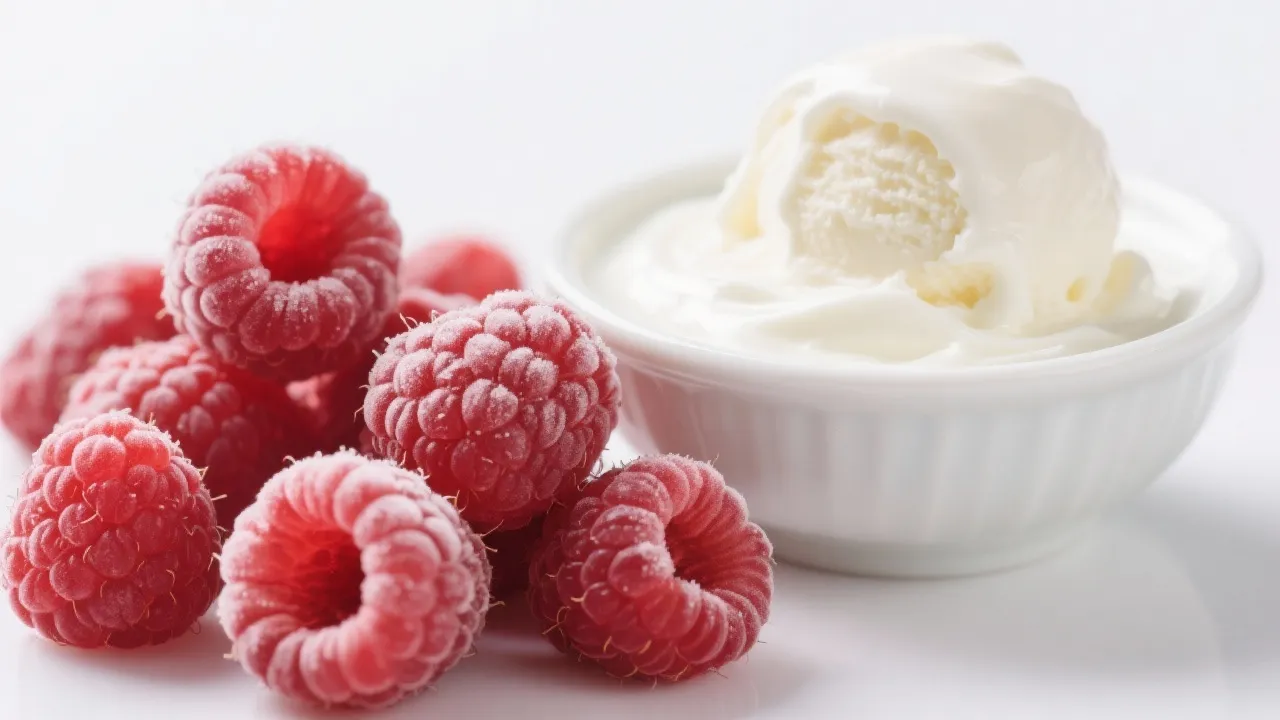
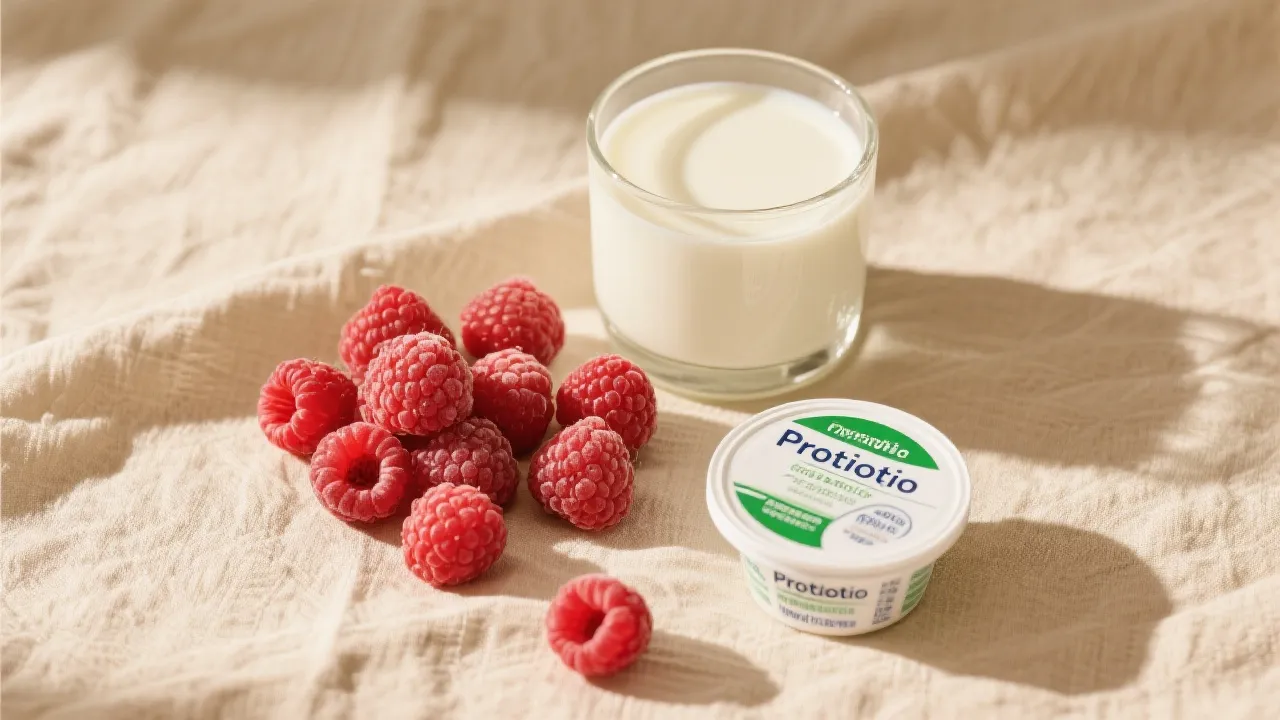
For red raspberries specifically, studies show that maintaining a consistent -18°C environment during storage results in anthocyanin retention rates of 92-95%, compared to just 68-72% at higher temperatures (0°C to -5°C). Similarly, vitamin C degradation is reduced by approximately 70% when strict temperature control is maintained throughout the cold chain.
Before freezing, raw materials undergo a rigorous triple-screening process that significantly impacts final product quality. This meticulous selection addresses three critical parameters:
This proprietary selection process results in a whole fruit rate exceeding 95%, significantly reducing processing waste and ensuring consistent quality for food manufacturers. When combined with -18°C freezing technology, this creates a raw material solution that maintains both nutritional integrity and production efficiency.

While temperature control is critical, true cold chain integrity requires comprehensive management systems. The integration of HACCP (Hazard Analysis and Critical Control Points) and ISO 22000 creates a robust framework that addresses both safety and quality throughout the supply chain.
This systematic approach ensures that every critical control point is monitored and documented, providing food and beverage manufacturers with the traceability and compliance documentation required for both domestic and international markets. 亿商桥 has implemented this dual-certification approach across its entire cold chain network, resulting in zero critical non-conformities in over 500 consecutive third-party audits.
Translating cold chain theory into practical application requires standardized operating procedures and staff training. Our research with manufacturing partners indicates that companies implementing structured SOPs for cold chain management reduce quality variability by an average of 37%. Key elements of effective implementation include:
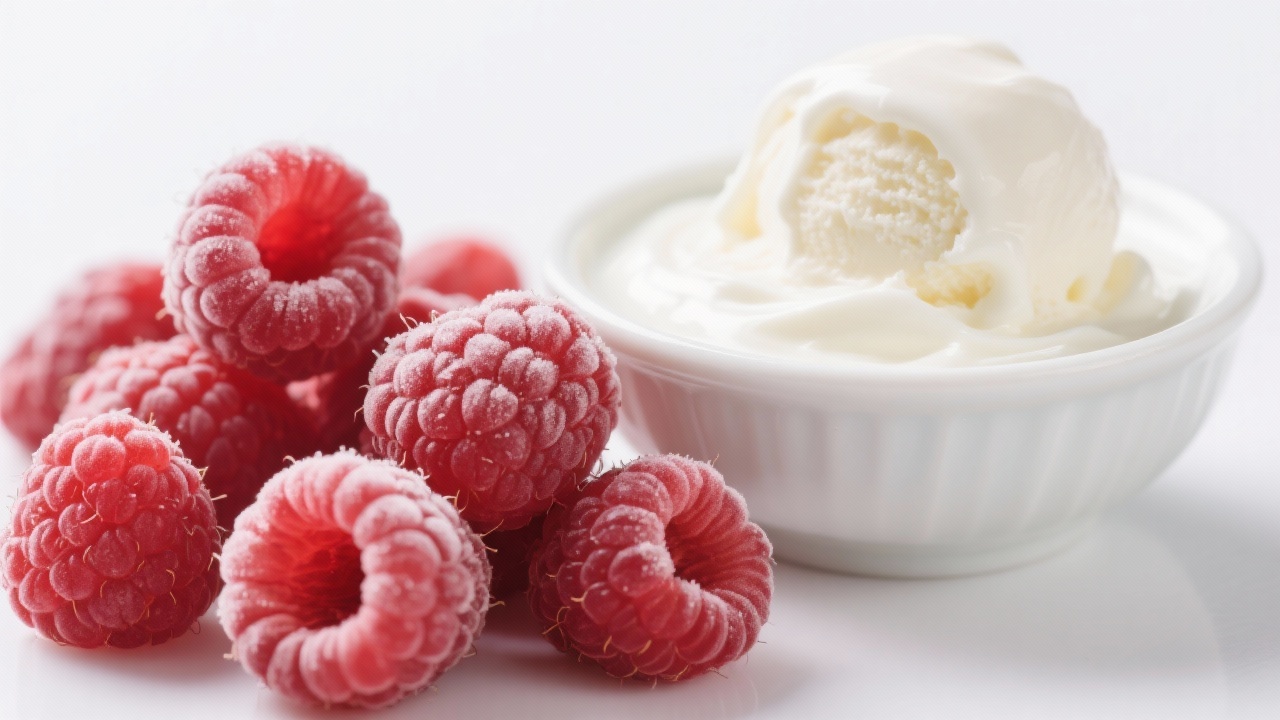
One leading European beverage manufacturer implemented these protocols and saw a 42% reduction in raw material waste and a 28% improvement in batch consistency for their berry-based functional drinks. These results demonstrate the tangible business benefits of investing in proper cold chain management beyond regulatory compliance.
Access our comprehensive Cold Chain Management Toolkit, including temperature monitoring templates, supplier audit checklists, and nutritional stability testing protocols designed specifically for freeze-dried fruit and vegetable原料.
Download Your Free Cold Chain Optimization GuideAs consumer demand for functional foods continues to grow, the quality and consistency of raw materials become increasingly critical competitive factors. By implementing -18°C cold chain technology, rigorous selection processes, and comprehensive quality management systems, food and beverage manufacturers can ensure their products deliver the nutritional benefits and sensory experience that consumers expect. The technical details matter—from the moment of harvest to the final product formulation, each step in the cold chain contributes to the overall quality and success of your end products.

 119
|
119
|
 frozen blackberries
functional foods
health food trends
antioxidant-rich foods
U.S. and Europe market
278
|
EU import regulations
blackcurrant frozen fruit
HACCP certification
frozen fruit quality standards
European food compliance
156
|
blackcurrant frozen fruit
juice processing technology
thawing methods
flavor preservation
cold chain logistics
476
|
raspberry ingredient sourcing
anthocyanin retention
vitamin C stability
freeze-drying vs hot-air drying
ISO 22000 compliance
422
|
frozen blackcurrant OEM packaging
EU packaging compliance
EU Regulation 2023/2024
food import labeling
HACCP certified packaging
frozen blackberries
functional foods
health food trends
antioxidant-rich foods
U.S. and Europe market
278
|
EU import regulations
blackcurrant frozen fruit
HACCP certification
frozen fruit quality standards
European food compliance
156
|
blackcurrant frozen fruit
juice processing technology
thawing methods
flavor preservation
cold chain logistics
476
|
raspberry ingredient sourcing
anthocyanin retention
vitamin C stability
freeze-drying vs hot-air drying
ISO 22000 compliance
422
|
frozen blackcurrant OEM packaging
EU packaging compliance
EU Regulation 2023/2024
food import labeling
HACCP certified packaging


.png?x-oss-process=image/resize,h_100,m_lfit/format,webp)
.png?x-oss-process=image/resize,h_100,m_lfit/format,webp)
.png?x-oss-process=image/resize,h_100,m_lfit/format,webp)
 English


